

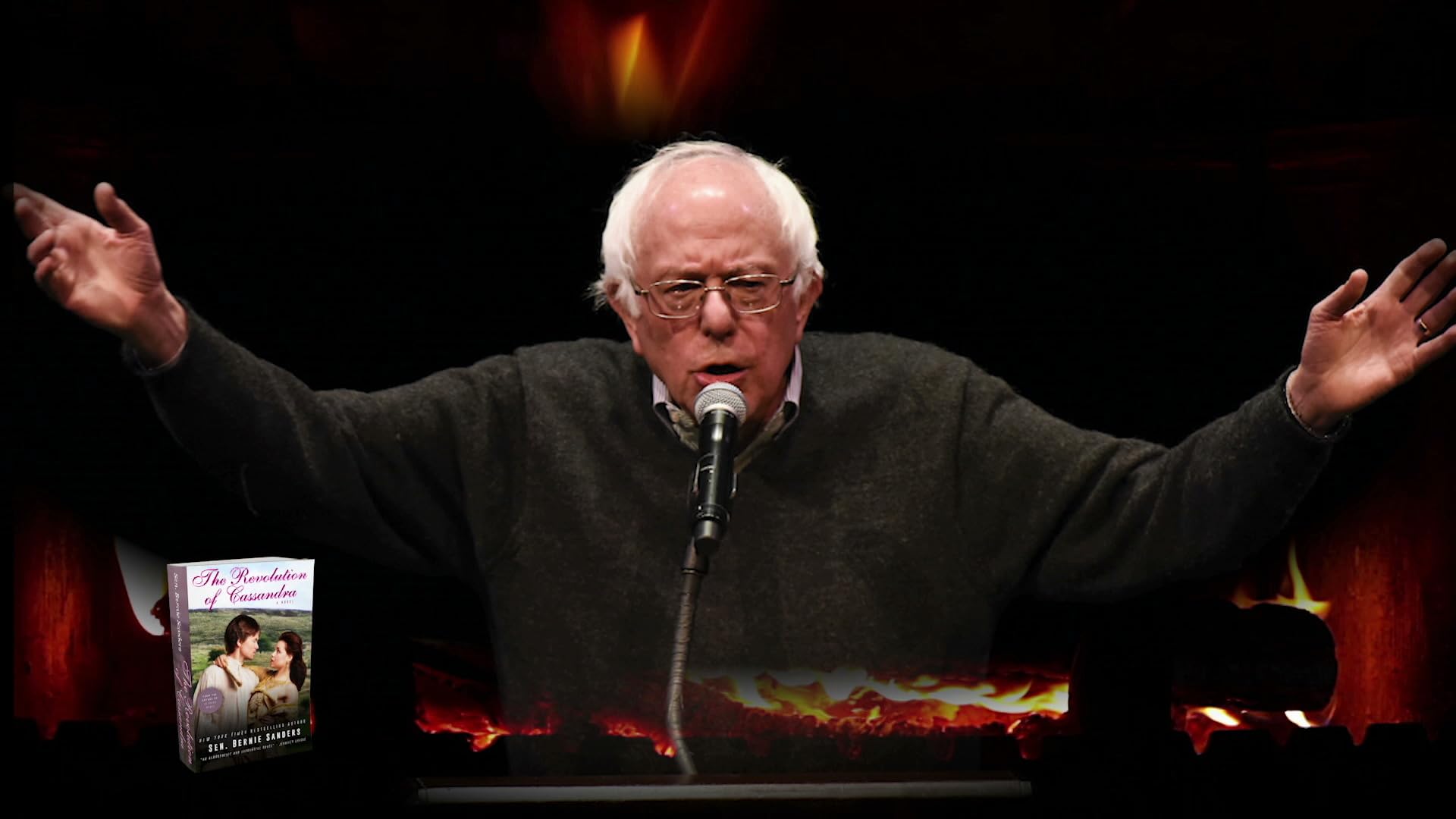
You’ll want to know why Sen. Bernie Sanders publicly defended Olympic skier Hunter Hess after President Trump called Hess a “real loser” for saying he had mixed feelings about representing the U.S. right now. Sanders framed his response around basic democratic principles, arguing that athletes have the right to express concerns without being demeaned by the president.
This piece breaks down Sanders’ reaction, the context of Hess’s comments about representing his values, and how this moment ties into Sanders’ broader advocacy for accountability and justice. The next sections explore Sanders’ statement, the athlete backlash, and how the exchange fits into ongoing political debates about free expression and national representation.
Bernie Sanders Responds to Trump’s Criticism of Olympian
Sen. Bernie Sanders sharply pushed back after President Donald Trump attacked U.S. Olympic skier Hunter Hess online. Sanders framed the episode as part of a broader concern about power, accountability, and how public figures treat Americans who represent the country.
What Sparked the Dispute Between Trump and Hunter Hess
The exchange began when President Donald Trump posted a comment on Truth Social criticizing Hunter Hess after the skier said he had “mixed emotions” about representing the United States at the Winter Olympics. Trump called Hess a “real loser,” which quickly drew attention because Hess is a U.S. Olympic athlete competing on an international stage.
Hess’s remark about his feelings, made in interviews during the Games, was the immediate trigger. The president’s blunt online reply amplified the story and turned it into a political flashpoint, drawing reactions from athletes, media outlets, and lawmakers.
Sanders’ Statement: Defending Hunter Hess and Democratic Values
Sen. Bernie Sanders responded by condemning Trump’s attack as an abuse of presidential influence and a sign of declining political norms. Sanders described the criticism as part of a pattern in which Trump uses personal attacks instead of addressing policy or institutional problems.
Sanders emphasized respect for athletes who represent the country and argued that public leaders should not vilify Americans for expressing complicated feelings. He framed the defense of Hess as defending democratic decency and accountability in public discourse, urging that leaders focus on substantive issues rather than personal attacks.
Public and Political Reactions to the Online Exchange
The online exchange prompted swift reactions across the political spectrum. Supporters of Hess and critics of Trump called the attack inappropriate for a president, while some Trump allies defended the comment as free expression or justified criticism of perceived disloyalty.
Media outlets covered the conflict as both a sports story and a political incident, noting how a single social post can spur national debate. Lawmakers and commentators used the moment to discuss presidential conduct, the role of social media in politics, and how public figures treat representatives of national institutions like the U.S. Olympic team.
The Broader Movement: Sanders’ Push for Justice and Resistance
Sanders ties mass rallies, cultural moments and policy fights into a single argument: wealthy corporate power undermines democracy, and organized public pressure can stop it. He frames climate action, healthcare access, and racial and economic justice as interconnected fights against concentrated wealth.
Fighting Oligarchy: Rallies and the Role of Alexandria Ocasio-Cortez
Sanders’ “Fighting Oligarchy” tour mobilizes large public events to spotlight cuts to federal programs and private influence over government decisions. He emphasizes threats to Social Security, Medicaid, and veterans’ services while arguing billionaires steer policy; event organizers often cite turnout figures and local volunteer drives as measures of momentum.
Alexandria Ocasio-Cortez appears at multiple tour stops as a co-headliner and policy strategist, speaking on worker rights, corporate accountability, and climate policy. Their joint appearances link electoral pressure to concrete legislative goals, such as protecting federal workers and opposing privatization.
Key tactics include targeted town halls, rapid-response communications when officials fire federal employees, and door-knocking campaigns in swing districts. Sanders stresses building durable local infrastructure—unions, community groups, and progressive clubs—to translate rallies into votes and policy wins.
Progressive Voices at Coachella and Beyond
Progressive artists and festivals have become venues for political messaging; Sanders’ movement leverages pop culture moments to reach younger voters. Performers like Maggie Rogers and indie artists who discuss civic engagement help normalize political messaging, while legacy performers historically associated with protest music, such as Joan Baez and Neil Young, provide symbolic continuity for social movements.
At major events like the Coachella music festival, organizers and artists sometimes partner with advocacy groups to promote voter registration and climate-action pledges. These activations combine live sets with volunteer tables and QR-linked petition drives, creating low-friction civic engagement points.
Music-driven outreach targets cultural issues—climate mitigation, racial justice, and economic fairness—by translating policy language into personal stories and calls to action that resonate with festival audiences.
Key Issues: Climate Change, Social Justice, and Healthcare
Climate change ranks as a central fight; Sanders links fossil fuel industry influence to regulatory rollbacks and calls for aggressive mitigation, renewable investment, and protections for frontline communities. He pushes policy proposals to limit fossil fuel subsidies and expand green jobs in communities most affected by pollution.
On social and racial justice, Sanders highlights criminal-justice reform, equitable school funding, and housing protections. He emphasizes investment in communities of color and accountability for corporate practices that exacerbate inequality.
Healthcare remains a core demand: Sanders frames “healthcare is a human right” as a policy objective, targeting insurance and drug companies that drive costs. He supports measures to lower prescription prices, expand public options, and protect Medicaid and Medicare from cuts.
Together, these issue campaigns connect to the broader anti-oligarchy message—reducing corporate power in politics and ensuring public institutions serve working people rather than wealthy stakeholders.
More from Vinyl and Velvet:

Leave a Reply