

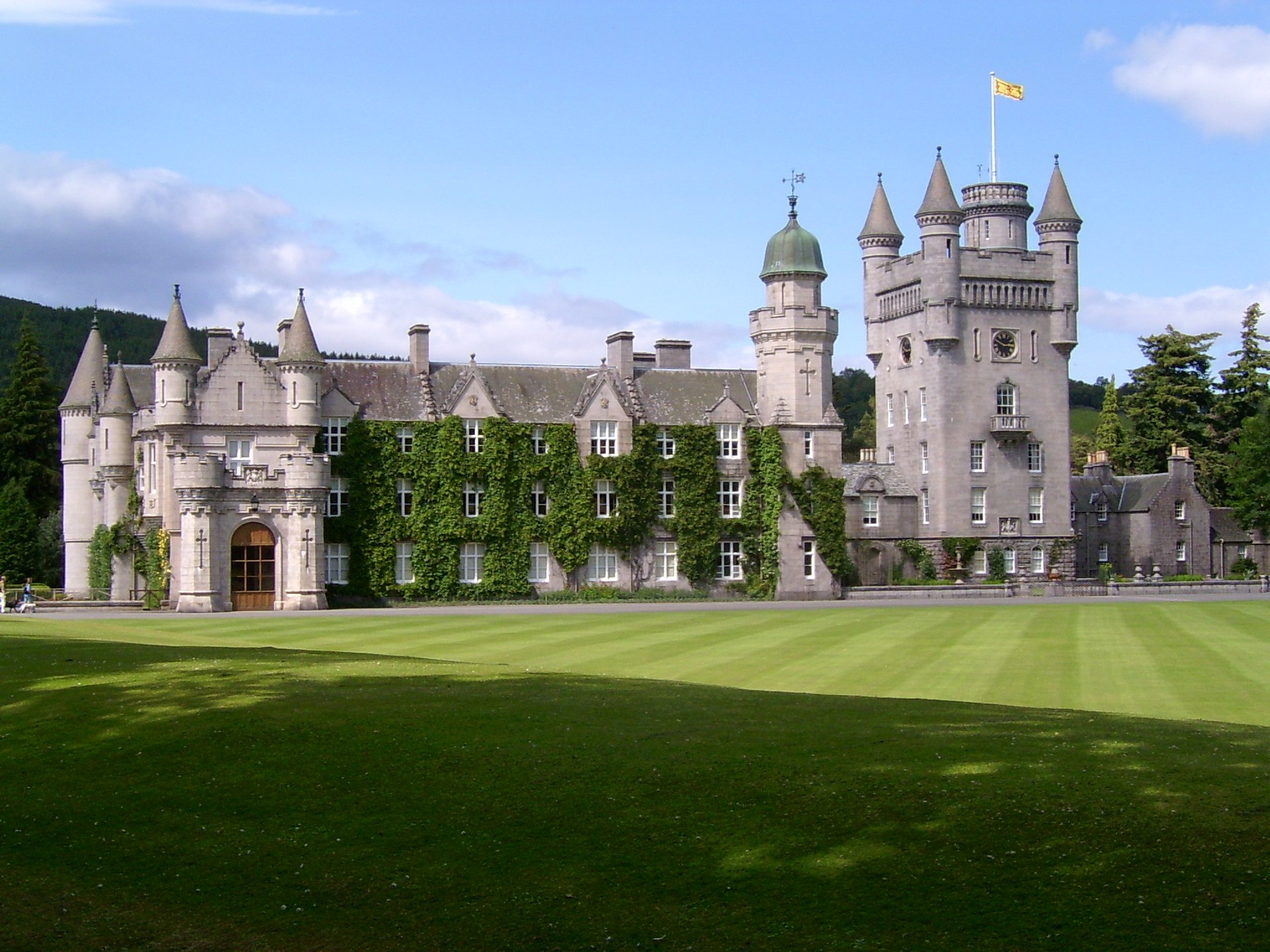
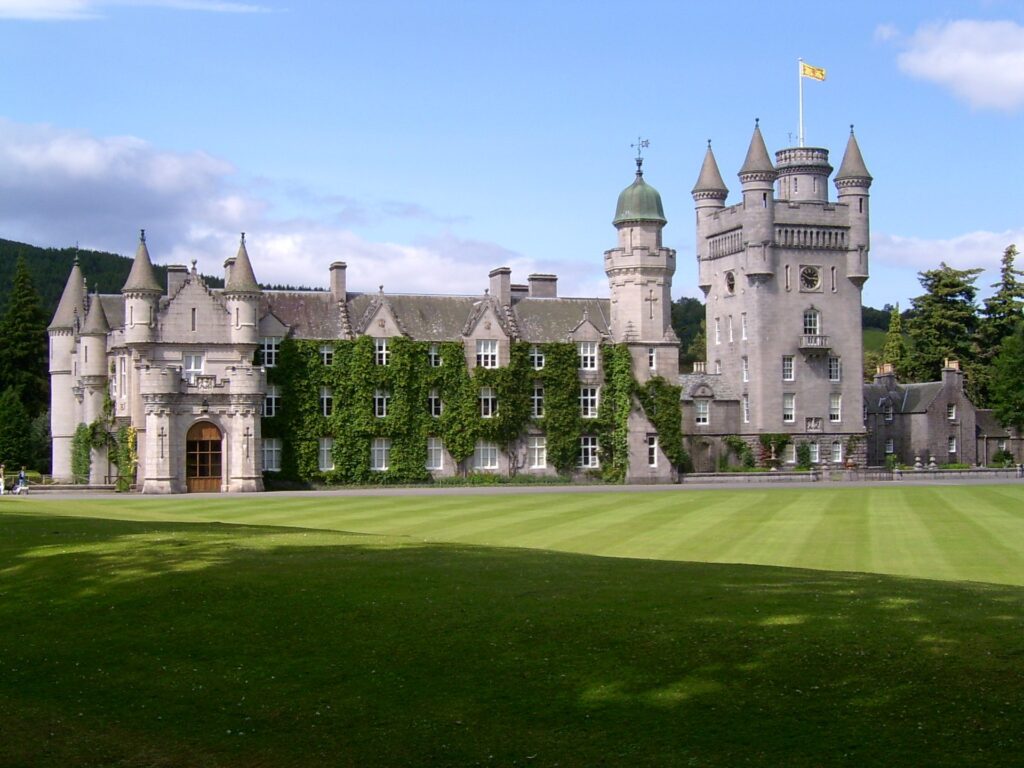
Balmoral Castle has long been the royal family’s private escape, but in the days after Princess Diana’s death it became something else entirely, a sealed-off world where public tragedy collided with very personal grief. Behind those granite walls, a teenage Prince William and 12‑year‑old Prince Harry were shielded from the shockwaves rolling through Britain, even as the monarchy itself came under intense scrutiny. The emotional weight of that week still clings to the place, shaping how the family remembers both Diana and the late Queen.
To understand why Balmoral carries such a charge, it helps to see it not just as a postcard estate in the Highlands but as the backdrop to some of the most painful conversations in modern royal history. The castle’s isolation, its rituals and even its church run all fed into how the family processed loss, and how the country judged them for doing it out of sight.
The shock in Scotland and a fortress for two boys
When news broke that Diana had died in a car crash in Paris, William and Harry were at Balmoral on their summer break, far from the chaos unfolding in London. William was 15 and Harry 12, still on holiday when their mother’s accident in Paris turned their world inside out, a detail they have since revisited in candid recollections. For William in particular, Scotland has become a place of sharp contrasts, a landscape he has described as holding some of his happiest memories and also the moment he was told at Balmoral that his mother had died, a memory he later linked to his time studying in Scotland. That mix of joy and trauma is baked into how he talks about the place even decades on.
Inside the castle, the late Queen Elizabeth II moved quickly to control what the boys saw and heard. To ensure the young princes did not first learn of their mother’s passing from television bulletins, the Queen reportedly had two items removed from Balmoral, cutting off the main ways William and Harry might have stumbled across the story before their father could speak to them, according to detailed accounts. William has since reflected that back then, “obviously, there were no smartphones or anything like that, so you could not get your news” instantly, a gap in technology that made it easier for the family to manage the flow of information inside Balmoral, as he recalled in remarks later cited in a broader look at the estate’s history and its link to Diana in Back.
A Queen under fire and a country in silence
Outside the Balmoral bubble, Britain was reeling. After Diana died, Britain went silent, the mood in London turning from shock to anger as crowds gathered outside Buckingham Palace and demanded a visible response from the monarchy, a reaction later summed up in reflections on how the country coped After Diana. Meanwhile, Queen Elizabeth II remained silent and in absentia, holed up 515 miles away at Balmoral Castle in Scotland, a distance that became a symbol of how far the Crown seemed from public feeling, as contemporaneous reporting on that crisis week Meanwhile made clear. The criticism was not just about geography, it was about the optics of a family appearing to hide in the Highlands while the nation mourned in the streets.
Inside the castle, though, the Queen’s priorities were different. Amid the chaos, the Queen focused on protecting her grandsons from a world that had suddenly turned hostile, a stance later described as her central concern in the days after Diana’s death in Amid the turmoil. Prince Phillip and the Queen worked with Prince Charles to comfort William and Harry at the castle, even as flags over Buckingham Palace stayed at half‑mast and the institution scrambled to respond, a family dynamic later described in detail in accounts of that week. The tension between public expectation and private caregiving is what turned Balmoral into such a contested symbol: a sanctuary for two boys, and to many outside, a retreat for a monarchy that seemed slow to share the country’s grief.
Rituals, memory and a Highland home marked by loss
Even as the criticism built, the family still had to step out of the gates. They braved the cameras again when They made the short car journey from Balmoral to the local kirk, the small church where Diana had worshipped so many times, a moment later remembered for the way the royal men walked in front of the lenses just a day before her funeral, as described in detailed recollections. Prince Harry has spoken about how the cameras “fired and fired and fired” as they walked, a jarring intrusion into what was meant to be a quiet act of worship. That Sunday service, in a church tied so closely to Diana, turned Balmoral’s private rituals into a public performance of mourning, whether the family liked it or not.
More from Vinyl and Velvet:

Leave a Reply