

You will find Bad Bunny stepping into his first leading film role opposite Residente in a sweeping historical drama that centers on Puerto Rico. This film places two of Puerto Rico’s biggest cultural voices at the center of a cinematic retelling of the island’s contested history, promising a blend of music-born intensity and serious dramatic ambition.
He has acted before but not as a lead; Residente directs and co-wrote Porto Rico to explore the island’s colonial past, and the cast also includes established names that raise the project’s profile. Expect the article to break down what this role means for his career, unpack the film’s historical themes, and explain how Porto Rico could bring Puerto Rico’s story to global audiences.
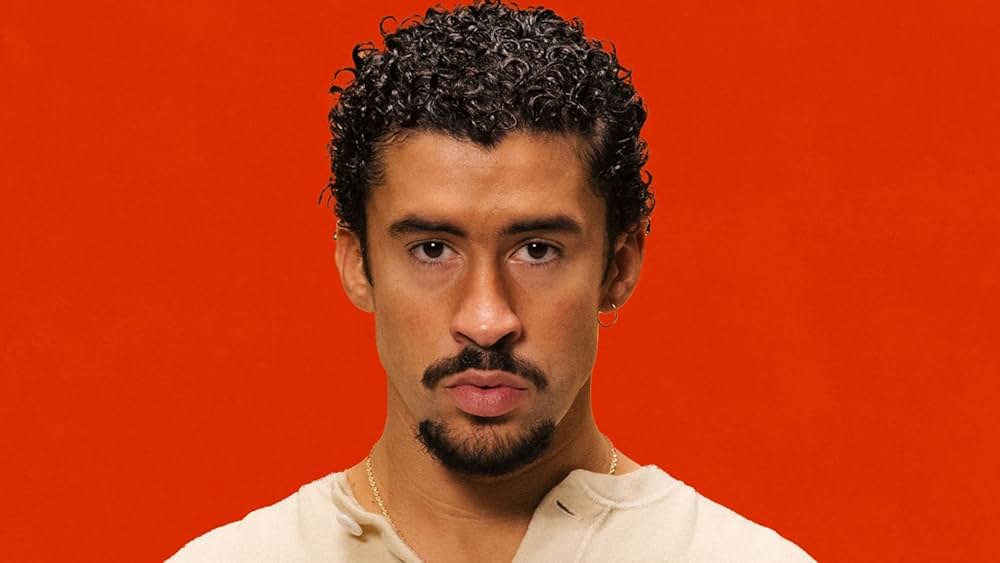
Breaking Down Bad Bunny’s First Leading Role
Bad Bunny takes a major creative turn by playing a central figure in a sweeping Puerto Rico–set historical drama opposite Residente. The film centers on island history, high-profile collaborators, and a career transition that builds on his previous acting work and massive music platform.
Why Bad Bunny Chose Porto Rico
Benito Antonio Martínez Ocasio selected Puerto Rico as the story’s heart to ground the film in his personal and cultural roots. He has repeatedly emphasized representation of island life, which aligns with his album DeBÍ TiRAR MáS FOToS and the themes he explored during his San Juan residency. The choice signals a desire to show Puerto Rico beyond touristic images and to foreground local history and political struggles.
The project also leverages his broad audience reach — including 128.2 million viewers at his Super Bowl halftime performance — to spotlight Puerto Rican narratives on a global scale. Producers tapped local talent and settings to maintain authenticity, and Bad Bunny negotiated creative input to ensure cultural accuracy rather than a purely star-driven export.
Star-Studded Cast and Key Collaborators
The film pairs Bad Bunny with René Pérez Joglar (Residente), who serves as a prominent co-star and creative presence linked to Puerto Rican activism and music. The cast includes established actors and local performers drawn from the island’s arts community to balance box-office appeal with authenticity.
Behind the camera, industry heavyweights support the production: representation and deals involve agencies like WME and labels such as Sony Music, while Live Nation Studios participates on the production side. Executive producers include figures tied to Bad Bunny’s team and longtime collaborators, with Noah Assad listed among project advisors. The involvement of these companies suggests a mix of commercial strategy and cultural stewardship to reach both mainstream and Latino audiences.
Bad Bunny’s Evolution From Singer to Actor
Bad Bunny’s path into leading roles builds on earlier film work in titles such as Bullet Train, Caught Stealing, and a cameo in the Fast & Furious franchise. Those roles allowed him to learn on set and experiment with tone — from action in Bullet Train to the dramatic weight of Caught Stealing — before taking a lead.
He approaches acting with deliberate preparation, studying the craft and choosing projects that expand his range rather than trade solely on celebrity. Management and agencies negotiated terms that gave him creative input and collaborators he trusts. This film marks his feature directorial debut collaboration for the director’s transition as well, and positions Bad Bunny as an actor willing to anchor stories tied to Puerto Rican identity instead of peripheral celebrity cameos.
Porto Rico: A Historical Epic Bringing Puerto Rico’s Story to Global Audiences
Residente directs a sweeping historical drama that centers on Puerto Rico’s late-19th-century struggle for identity. The film combines a real revolutionary figure, a high-profile international cast, and a production team built to reach global audiences.
The True Story Behind Porto Rico
Porto Rico takes its roots from events surrounding Puerto Rico’s transition out of Spanish rule and into U.S. territory after 1898. The screenplay, co-written by Residente and Alexander Dinelaris—known for his work on Birdman—frames the island’s political turbulence through specific people and episodes rather than broad abstraction.
The project reportedly draws on the life and actions of José Maldonado Román and the gang of ex-convicts he led, focusing on resistance to colonial control and the search for national dignity. Expect period detail: late 19th‑century settings, social hierarchies, and clashes involving Spanish, emerging American, and local forces. The story aims to balance historical scope with intimate character stakes.
Legendary Puerto Rican Revolutionary: José Maldonado Román
José Maldonado Román, often called Águila Blanca (White Eagle), emerges as the central historical figure inspiring the narrative. He led bands that resisted colonial structures, and his life provides a throughline for the film’s exploration of justice, rebellion, and identity.
The screenplay reportedly uses Maldonado Román’s actions as both plot engine and moral anchor. That allows the film to depict specific incidents—raids, reprisals, and political organizing—while exploring how a revolutionary’s legend shapes a nation’s modern memory. Casting choices and language use will matter; the production has indicated international actors in roles tied to their national origins to reflect the era’s global entanglements.
Filmmaking Vision: Genre, Tone, and Inspirations
Porto Rico bills itself as an epic Caribbean western and historical drama, a hybrid that blends frontier-style confrontation with sweeping historical canvas. The film’s tone aims to be visceral and lyrical, channeling morally complex epics like The Godfather and Gangs of New York while remaining rooted in Puerto Rican specificity.
Residente’s music and rhythmic sensibility may influence visual pacing and sound design. The project cites a lineage of filmmakers and producers who favor immersive historical worlds; Alejandro G. Iñárritu serves as executive producer, suggesting an ambition toward emotional intensity and cinematic craft seen in films like The Revenant. Screenwriter Dinelaris brings theatrical compression and character-driven dialogue, which should sharpen the film’s dramatic beats.
Powerhouse Production and Creative Team
Producers and backers assemble a mix of indie and studio muscle: Residente and Erick Douât produce for 1868 Studios, with financing and partnerships from Live Nation Studios and Class 5 Films. Executive producers include Alejandro G. Iñárritu and supporters such as Scott Budnick, Mike and Sukey Novogratz, José E. Feliciano, and Kwanza Jones.
The cast pairs Puerto Rican star Benito “Bad Bunny” Martínez Ocasio in his first leading role with international names like Viggo Mortensen, Edward Norton, and Javier Bardem. Class 5 Films’ producers bring experience from titles like Motherless Brooklyn and The Painted Veil, while sales representation sits with UTA Independent Film Group. This team positions Porto Rico to reach global markets and to spotlight Latin stories on a large cinematic stage, combining cultural authenticity with commercial reach.
- Key collaborators: 1868 Studios, Live Nation Studios, Class 5 Films, UTA Independent Film Group.
- Creative leads: Residente (director), Alexander Dinelaris (co-writer), Alejandro G. Iñárritu (executive producer).More from Vinyl and Velvet:

Leave a Reply