

Bad Bunny turned a routine Grammy Awards thank-you into a pointed political moment, opening his speech with the words “ICE out” and bringing the arena to its feet. His callout of U.S. immigration enforcement landed on a night when he was not only a winner but a historic figure, using that spotlight to insist that Latino immigrants are treated as humans and as Americans. The ovation that followed captured how a few blunt sentences can shift an awards show from celebration to reckoning.
By the time the crowd finally sat down, the Puerto Rican star had linked his own success to a broader demand for dignity, love, and an end to dehumanizing language about migrants. In a year when the Grammys were already steeped in political subtext, his remarks crystallized a debate about who gets to claim belonging in the United States and what role pop culture should play in that fight.
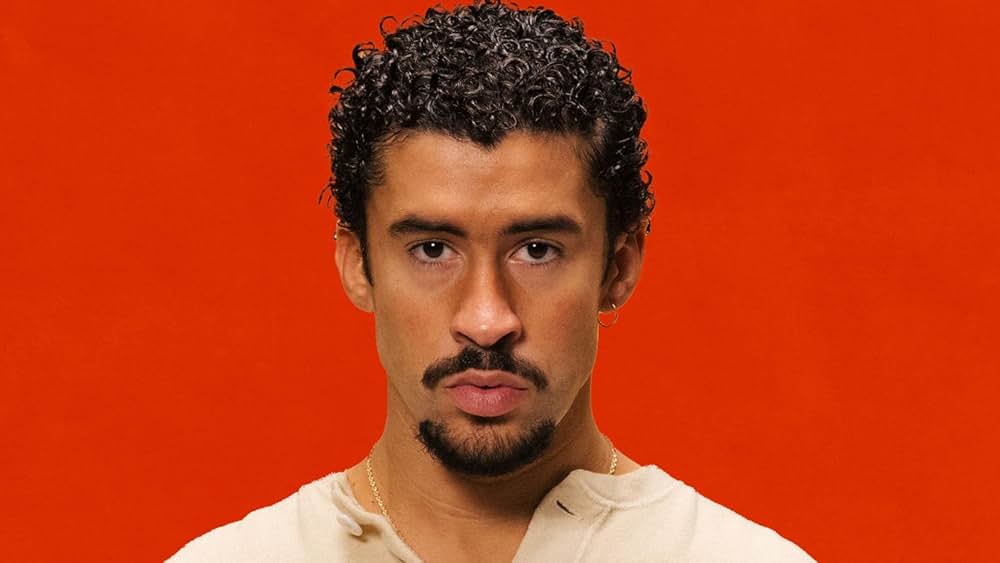
The moment Bad Bunny said “ICE out”
Bad Bunny did not ease into his message. Accepting a trophy at the Grammy Awards, he began by saying that before he thanked anyone, he needed to say “ICE out,” turning his first words into a direct rebuke of Immigration and Customs Enforcement. According to detailed accounts of the ceremony, he framed the line as a moral interruption of the usual awards-show script, making clear that the issue of immigration could not wait until after the industry’s self-congratulation, a stance reflected in reporting on his clash with ICE. The phrase was short, but it carried the weight of years of criticism over detention conditions, family separations, and mass deportations.
From there, he expanded his remarks into a broader defense of migrants, insisting that those targeted by immigration crackdowns are not criminals by default but people seeking safety and opportunity. Coverage of the speech notes that he explicitly tied his comments to the experience of the Latino community, using his platform at the Grammy Awards to argue that culture and policy are inseparable. By opening with “ICE out,” he signaled that his win would not be treated as a purely personal triumph but as leverage in a larger political fight.
“We are not animals, we are Americans”
After that opening salvo, Bad Bunny sharpened his language, rejecting the dehumanizing rhetoric that often surrounds immigration debates. He told the audience that “we are not savage, we are not animals, we are not aliens, we are humans and we are Americans,” a line that has been widely quoted in recaps of the night and that underscored his insistence on shared identity rather than outsider status. Reports on his remarks highlight how he lingered on the word “humans,” turning it into both a plea and a rebuke to those who reduce migrants to statistics or threats, a theme captured in coverage of his powerful speech.
That insistence on being “Americans” was not a casual flourish. As a Puerto Rican artist, he occupies a complicated space in the U.S. imagination, both fully American and often treated as foreign. By claiming the word for migrants who are undocumented or whose status is precarious, he challenged the idea that “American” is a legal category rather than a lived reality shaped by work, family, and culture. One detailed transcript of his remarks shows him returning to the language of love and community, urging people to “fight hate with love” and to remember that “we love our people, we love our family,” a message echoed in translations of his acceptance speech.
A standing ovation that said as much as the speech
The room’s reaction turned his words into a collective statement. As he denounced the treatment of immigrants and repeated that “we are humans and we are Americans,” the star-studded crowd rose to its feet in a sustained standing ovation. Accounts from inside the arena describe artists, executives, and attendees applauding and cheering as he spoke, a rare moment of near-unanimous response at an event where political remarks can sometimes draw mixed reactions, a dynamic captured in social posts noting the standing ovation.
That response matters because it signals how mainstream the critique of harsh immigration enforcement has become within the entertainment industry. When a room full of influential figures stands and applauds a call to push “ICE out,” it sends a message that these views are not fringe but central to how many artists see their role. Coverage of the night’s events notes that his remarks were one of several politically charged moments, but his combination of blunt language and emotional appeal made the ovation feel less like polite support and more like a shared declaration that the industry is willing to be publicly identified with opposition to abusive immigration policy.
Denouncing Immigration and Customs Enforcement in detail
Bad Bunny’s critique of Immigration and Customs Enforcement was not limited to a slogan. In his speech, he denounced the agency’s record on detentions and deportations, explicitly naming “U.S. Immigration and Customs Enforcement” and condemning practices that he described as treating people like animals. A full transcript of his remarks shows him calling out specific abuses and urging an end to policies that separate families and criminalize migration, a stance documented in coverage that notes how he did not mince words when he addressed Immigration and enforcement.
He framed ICE not as an abstract bureaucracy but as a force that shapes daily life for millions of people, particularly within the Latino community. Reports on his remarks emphasize that he spoke about families living in fear, children growing up with the threat of raids, and communities that feel hunted rather than protected. By doing so on a stage watched by millions, he effectively turned the Grammys into a hearing on immigration policy, using his acceptance speech to amplify arguments that activists have been making for years about the need to dismantle or radically reform ICE.
A historic night for “Debí Tirar Más Fotos”
The power of his words was amplified by the scale of his achievements that night. Bad Bunny took home the album of the year Grammy for “Debí Tirar Más Fotos” at the 68th Grammy Awards in Los Angeles, a win that cemented his status at the very center of the music industry. Live coverage of the ceremony notes that he also spoke out against ICE while accepting that honor, linking his historic victory to his political message and ensuring that his critique would be inseparable from the story of his album’s success, as detailed in reports on his Grammy for that project.
His win was historic in another sense as well. “Debí Tirar Más Fotos” became the first Spanish language album to win album of the year at the Grammy Awards, a milestone that signaled a shift in how the institution recognizes non-English music. Coverage of the night points out that this was the first time a Spanish album had taken the top prize, placing Bad Bunny alongside artists like Billie Eilish and Kendrick Lamar in the evening’s narrative of boundary-pushing victories, a breakthrough highlighted in reports that he made history with a Spanish record.
From Best Música Urbana Album to national debate
Bad Bunny’s confrontation with ICE actually began earlier in the night, when he won Best Música Urbana Album and used that first trip to the stage to launch his critique. Reports on the ceremony describe how, after being announced as the winner in that category, he stepped up and immediately pivoted from gratitude to politics, saying “Before I say thanks to anyone, I need to say ICE out,” a moment captured in detailed accounts of his Best Música urbana win. That choice set the tone for the rest of the evening and ensured that every subsequent appearance he made on stage would be read through the lens of his immigration stance.
Entertainment coverage notes that his remarks came during a broadcast watched across the United States, effectively turning a genre-specific award into a national platform. One account of the night points out that his comments were delivered in Spanish and then echoed in English, broadening their reach and underlining his refusal to separate his identity as a Spanish-speaking artist from his role in U.S. political discourse. Another report, which focuses on his earlier category win, emphasizes that he used that moment to call on people to “fight hate with love,” a phrase that has since been widely quoted as a summary of his message as The Puerto Rican star linked art and activism.
“ICE out” in a broader Grammys political wave
Bad Bunny’s speech did not happen in a vacuum. The 2026 Grammys were already marked by artists using their time on stage to address policy, from climate change to reproductive rights, and his remarks slotted into that broader pattern while standing out for their bluntness. Live blogs of the event describe a night in which multiple winners referenced political issues, but they single out his denunciation of ICE as one of the most direct confrontations with a specific government agency, a moment that turned the Grammy Awards into a stage for immigration protest.
Other coverage of the night notes that artists like Billie Eilish also used their speeches to share pro-immigrant and anti-hate messages, creating a sense that the show had become a referendum on how the entertainment world views current policy. Within that context, Bad Bunny’s “ICE out” line functioned as a rallying cry, distilling a complex debate into a phrase that could be repeated, chanted, and shared. Reports on the winners’ speeches emphasize that several of them criticized mass deportation campaigns and harsh border enforcement, with his remarks serving as the clearest example of how far some performers are willing to go in naming and challenging specific policy.
How fashion and performance framed a “powerful message”
Part of what made Bad Bunny’s speech resonate was how it fit into his overall presence at the show, from his performance to his fashion choices. Style-focused coverage of the night describes his look on the red carpet and on stage as deliberate, blending high fashion with nods to his Puerto Rican roots and streetwear influences. That visual presentation reinforced his message that Latino culture is not marginal but central to contemporary pop, a point underscored in analyses that describe his remarks as a Powerful Message at the Grammys.
His performance earlier in the broadcast also set the stage for his later comments. Reports on the show note that he brought a full band and dancers to deliver a high-energy set that celebrated Spanish lyrics and Caribbean rhythms without compromise, a creative choice that mirrored his refusal to soften his political language. By the time he took the microphone to say “ICE out,” viewers had already seen an artist who treats representation as non-negotiable, from the language he sings in to the stories he tells. That continuity between art, image, and activism is part of why his speech felt less like a sudden outburst and more like the logical extension of everything he has been building.
Why this speech will linger beyond awards season
In the days since the Grammys, clips of Bad Bunny’s speech have circulated widely, with particular focus on his insistence that “we are humans and we are Americans.” Commentators have pointed out that his words arrive at a time when immigration policy is once again at the center of U.S. politics, and his decision to use a global stage to say “ICE out” has been read as a challenge to both policymakers and fellow artists. Detailed write-ups of the night emphasize that he did not back away from controversy, instead doubling down on his critique of ICE even as he accepted the industry’s highest honors.
More from Vinyl and Velvet:

Leave a Reply