

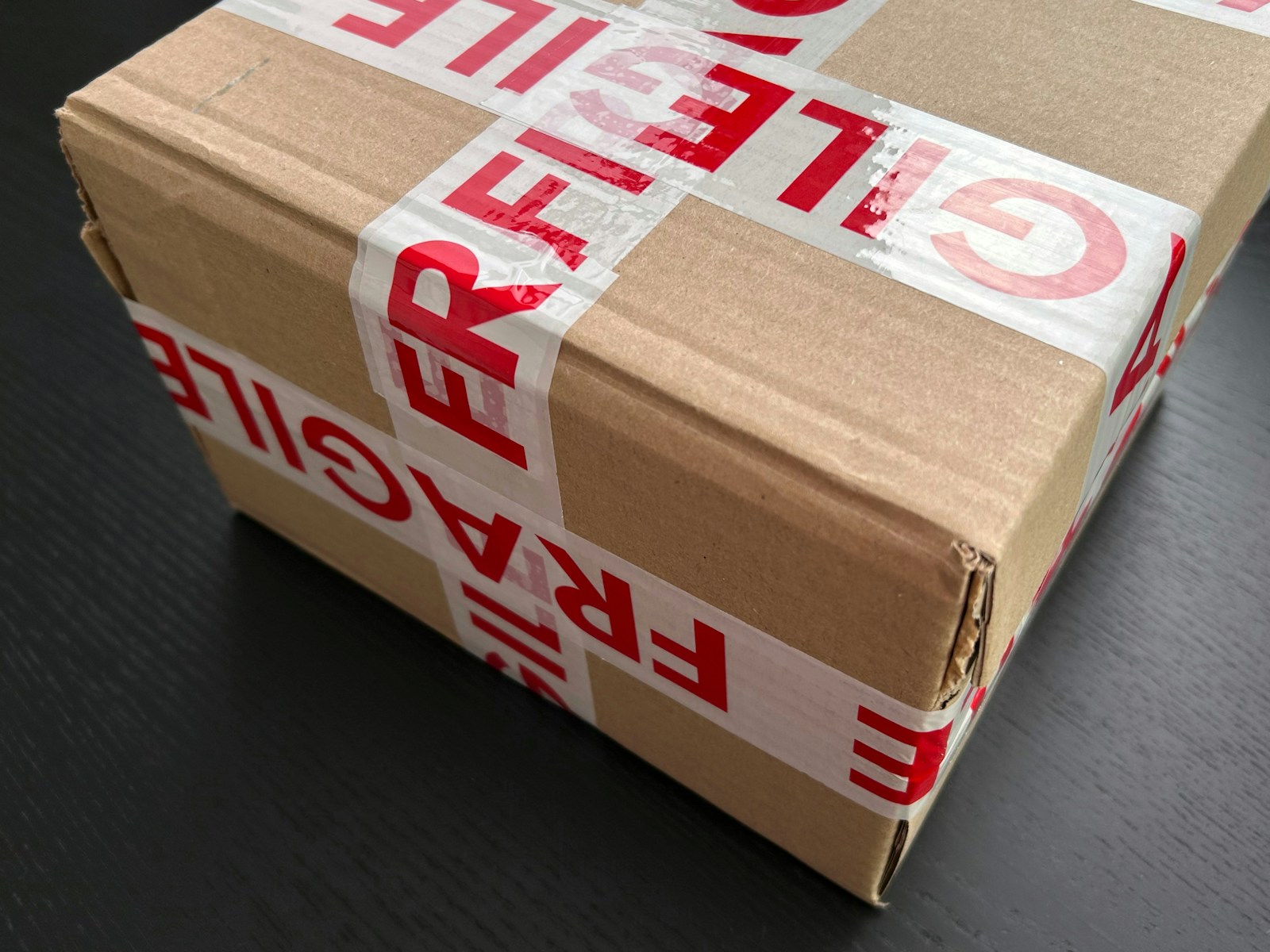
You should treat any unexpected package with caution, even if it looks innocent. Dangerous substances and malicious content increasingly come disguised in candy bags, toy boxes, souvenir items, and ordinary file downloads, so paying attention to unusual signs can prevent harm.
They might appear harmless because sellers or attackers want to lower your guard—colorful pills hidden in snack packaging, seeds shipped in mail, or seemingly plain SVG and npm files that redirect to phishing sites. The article explains how these threats hide and gives clear signs to watch for so you can spot risks fast.
If something looks off—damaged packaging, unexpected moisture, strange odors, unsolicited attachments, or unusual file behavior—don’t open it and follow the safety steps outlined ahead to protect yourself and others.
How Dangerous Materials Hide in Harmless-Looking Packages
Threats often arrive disguised as ordinary items — toys, seeds, or image files — and use simple packaging or file formats to avoid scrutiny. Recipients should check for unusual scents, extra padding, unexpected electronics, or odd file behavior before handling.
Common Types of Disguised Threats
Illicit drugs and contraband sometimes appear inside novelty packaging like plush toys or small branded bags to blend in with legitimate commerce. Inspect for seams that have been resealed, irregular weight relative to size, or loose stuffing that masks a dense object.
Explosive components and improvised devices may be hidden inside electronics, chargers, or power banks. Look for added wiring, unfamiliar components, or recent solder marks when opening packages that contain electronics.
Biological or chemical samples can be concealed in vials, toy capsules, or pill containers. Note labeled contents that lack proper paperwork, odd odors, or liquid leaks. If a package contains powders or liquids, avoid direct contact and move people away.
Recent Examples and Warning Signs
Law enforcement recently cautioned about drugs packaged in nominally innocent items like character-branded bags; these items often target collectors or parents. See an example of a public alert about illicit drugs disguised in familiar packaging from local police reporting on bags resembling children’s merchandise.
Mailings of mystery seeds and seemingly benign packets have triggered agricultural and public-health responses because they bypass typical inspection cues. Recurring indicators include unexpected arrival, foreign postmarks, and lack of sender details.
For mailed parcels, watch for excessive postage, handwritten labels that don’t match the return address, or a mismatch between declared contents and package weight. Those signs frequently precede seizures or safety warnings.
Malicious SVG Image Threats
SVG files are vector images but can carry scriptable content like embedded JavaScript or external references. Attackers can craft SVGs that execute when opened in a browser or previewer, triggering automatic requests, credential theft, or drive-by downloads.
Malicious SVGs often use obfuscation: long, nested tags; base64-encoded payloads inside data URIs; or links to remote resources that fetch further code. Users should avoid opening SVGs from unknown senders and configure viewers to disable script execution.
Email clients or collaboration tools that auto-render image previews can expose systems to SVG attacks. Security teams should treat received SVGs like executables: scan them with updated detection tools and, when needed, convert to safe raster formats before viewing.
Steganography and Base64 Encoding Techniques
Steganography hides payloads inside benign carriers such as images, audio, or document files. Malicious actors embed compressed or encrypted data into least-significant bits or metadata so a casual inspection shows no visible change.
Base64 encoding often wraps executable or script content into text blocks that fit in image tags (data/svg+xml;base64,…) or document fields. Decoders in browsers or apps can restore the original payload and run it if controls permit.
Indicators include unusually large file sizes for simple images, repetitive textual blocks that look like long nonsense, or image files containing “data:” URIs when viewed in a text editor. Analysts can extract embedded base64 strings, decode them, and examine resulting files in sandboxed environments to verify any hidden threats.
How to Stay Safe: What to Watch for and Prevention Tips
Check packages for unusual labels, smells, or damage before handling. Secure email and devices with strong settings, and report anything that seems off to local authorities or building security immediately.
Spotting Suspicious Packages and Attachments
They should look for physical signs: stains, leaking material, ticking noises, excessive tape, handwritten or poorly printed addresses, and misspelled company names. Packages with no return address, unexpected deliveries, or multiple layers of wrapping deserve extra caution. If a package feels unusually heavy for its size or has rigid components that shift when tilted, they should avoid opening it.
For email, suspicious attachments often come from unfamiliar senders or use generic greetings. Files with double extensions (e.g., invoice.pdf.exe) or compressed archives (.zip, .rar) sent unexpectedly are red flags. They should not open attachments that prompt them to enable macros or run installers.
Protecting Your Email and Devices
They must enable multi-factor authentication (MFA) on all accounts, using an authenticator app or hardware key rather than SMS where possible. Strong, unique passwords stored in a reputable password manager reduce risk across services.
Keep operating systems, browsers, and antivirus software up to date. Configure email clients to block automatic downloading of remote images and disable automatic execution of scripts or macros in attachments. On mobile devices, install apps only from official stores and review app permissions; revoke access for apps that request excessive privileges.
The Role of Email Security
Email filtering can stop many malicious messages before they reach an inbox. Organizations should use spam filters, attachment scanning, and URL rewriting to inspect links for known threats. Administrators should enforce DMARC, DKIM, and SPF records to prevent sender spoofing and improve domain trust.
For individuals, examine sender addresses closely and hover over links to reveal destinations before clicking. They should use a secondary email for signups to keep primary accounts cleaner. Email clients that sandbox attachments or preview files safely add an extra layer of protection against payloads hidden in seemingly harmless files.
When and How to Alert the Authorities
If a package emits powder, liquid, strong chemical smells, or makes unusual sounds, they should evacuate the area and avoid touching it. Move at least 300 feet away if indoors and close doors to contain the area when possible. Call local police or emergency services immediately and describe the package’s appearance, location, and any symptoms experienced by people nearby.
For suspicious emails tied to potential physical threats, they should preserve the message and headers, take screenshots, and forward copies to law enforcement or their organization’s security team. If in a workplace, notify building security and follow established incident response procedures; private citizens should report threats to local police and, where relevant, postal inspectors. If the incident involves possible illegal drugs packaged to look harmless, reference local warnings such as the Brattleboro police advisory about illicit drugs hidden in toy-style bags for contextual awareness: Vermont police warn of illicit drugs in Elmo bags (https://www.msn.com/en-us/news/crime/vermont-police-warn-of-illicit-drugs-in-elmo-bags/ar-AA1O2A3S).
More from Vinyl and Velvet:

Leave a Reply