

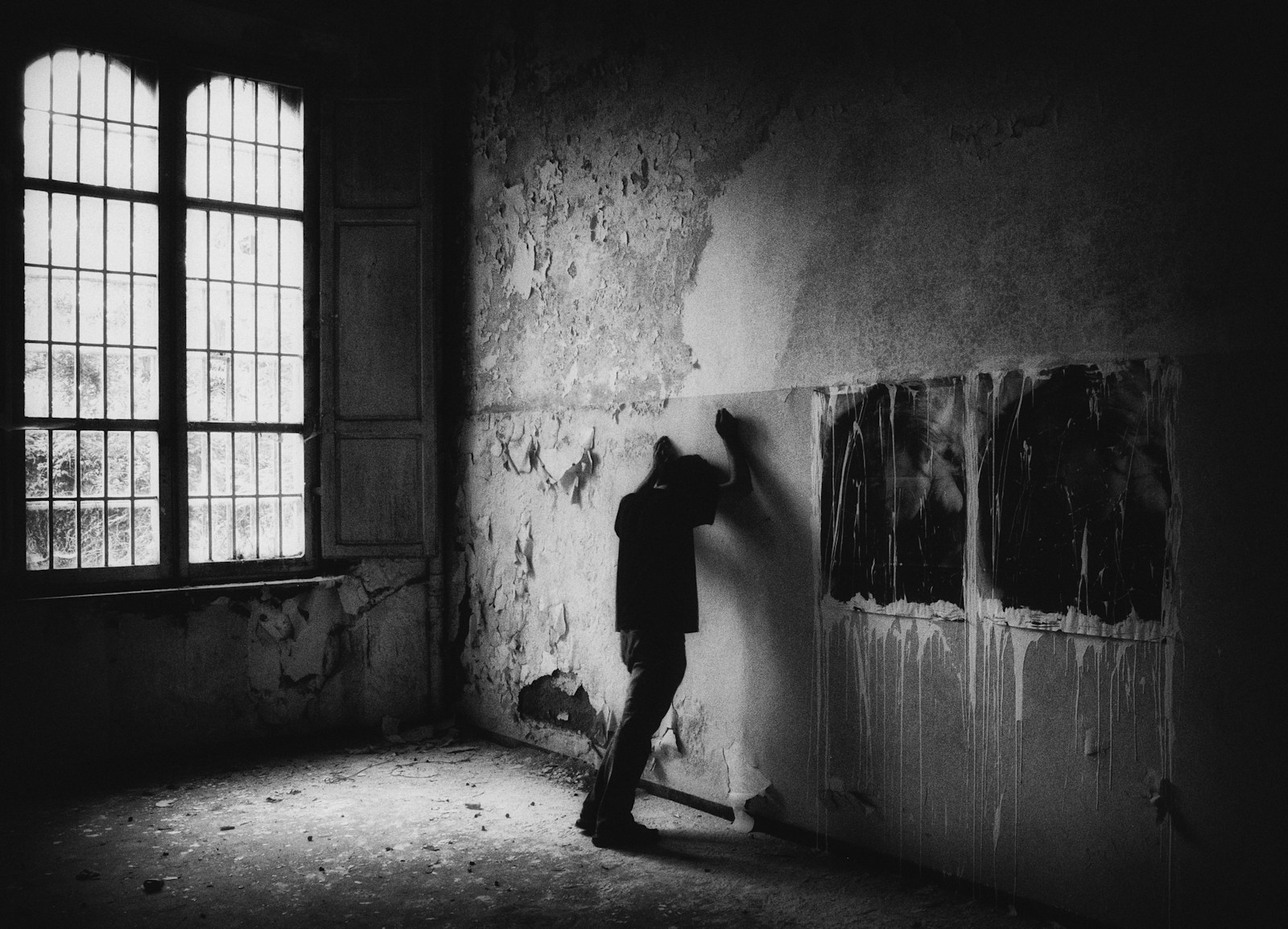
An exhausted artist finally snapping at a suicidal friend is not a clean internet drama beat; it is a slow-motion disaster that ends with someone saying the one thing they can never take back. The insult lands, the call ends, and only then does the weight of what was said crash in, along with the realization that this was not just another messy argument between creators chasing clout. It was a moment balanced on the edge between a life that might still be saved and a story that will be told in past tense.
Behind that flash of cruelty sits a bigger pattern in creative circles: people drowning in public, others lashing out instead of listening, and whole communities that still treat suicidal ideation as drama instead of an emergency. The regret that follows is real, but so is the damage, especially in a scene already shaken by high profile deaths and relentless online pile-ons.
The breaking point in a burned-out scene
In tight-knit art communities, especially the ones that live on Twitter, Discord and YouTube, everyone sees everyone else’s breakdown in real time. One creator spirals on stream, another vents on a late-night space, and after the fifth or sixth round of “I do not want to be here anymore,” even empathetic friends can start to feel more like crisis workers than peers. That is the headspace where an artist can finally snap, call a suicidal collaborator “stupid,” and convince themselves in the moment that bluntness is the only thing left. The problem is that the person on the other end does not hear tough love; they hear confirmation that their pain is annoying and disposable.
The art world has already watched what happens when harassment, shame and untreated mental health issues collide. Comic artist Ed Piskor died by suicide after facing sexual harassment accusations he denied in a posthumous note, a stark reminder that public pressure and private crisis can feed each other in ways outsiders never fully see. Coverage of Comic artist Ed framed his death inside a swirl of accusations, denials and industry gossip, but friends were left with a simpler, more brutal question: who actually checked on him, and who just weighed in. That same question hangs over every smaller creator who posts a string of suicidal messages and is met with hot takes instead of help.
When “tough love” turns into cruelty
The artist who explodes and calls a suicidal friend “stupid” usually does not start from malice. More often, they are running on fumes, juggling their own deadlines, money problems and harassment, and they convince themselves that blunt shaming will shock the other person into choosing life. Internet culture even rewards that posture, with commentators who roast vulnerable people for content and then insist they are just being honest. Long-form breakdowns of creators like Creep Show and the way she treated other artists, including Shannon, show how easily “calling someone out” can slide into a performance where the target’s mental health is just another prop. When that style of commentary bleeds into private conversations, it becomes dangerously easy to treat a suicidal confession as another bit to react to instead of a line that should end the show.
Regret usually arrives fast. The moment the call ends, or the DM is sent, the artist who snapped is left replaying the word “stupid” in their head and imagining what happens if that was the last thing their friend ever heard. That fear is not abstract. Public conversations around Ed Piskor and other artists who died by suicide have made creators painfully aware that posthumous narratives are ruthless. Screenshots surface, old streams get clipped, and everyone who was in the group chat wonders whether a different reply could have changed anything. That is the real cost of crossing that line in a moment of frustration: the person who was hurting feels punished for reaching out, and the person who lashed out is left with a memory that will never fully stop stinging.
Platforms, pile-ons and what real help looks like
The pressure cooker around all of this is the online ecosystem where artists now live. On Twitter, one accusation of “AI art theft” can snowball into a dogpile that ends with someone vanishing from the platform, as seen in videos about an artist bullied off and another creator whose account was deleted after a false AI art accusation. In those storms, strangers casually tell artists to die or mock them for breaking down, and only occasionally does a platform step in to remove death threats, as one user celebrated in a Shoutout to moderation. Creators like Wei who criticize Pro AI users get targeted simply for questioning how new tools are reshaping access to art. In that climate, a suicidal artist’s feed can fill up with both sympathy and cruelty in the same hour, which makes it even more vital that their closest peers do not join the pile-on by framing their pain as stupidity.
More from Vinyl and Velvet:

Leave a Reply