

You watched a party moment turn into a political flashpoint when Alix Earle joined Bad Bunny’s Super Bowl halftime show, and the fallout split people along clear political lines. The controversy centers on how a brief cameo reignited debates about fame, past behavior, and political associations, and why that matters for cultural events going forward.
Expect a close look at the cameo itself, the swift online backlash, and how media and political identity amplified the reaction. The piece will unpack who pushed back, why the moment felt jarring to many, and what this episode signals about celebrity optics in politically charged times.
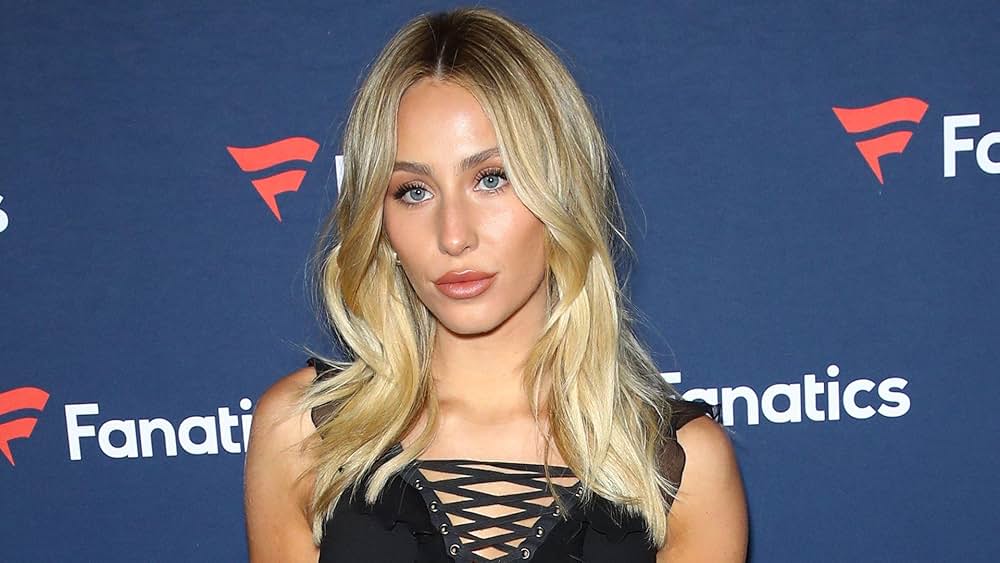
Alix Earle’s Super Bowl Appearance and the Immediate Backlash
Alix Earle appeared briefly in Bad Bunny’s Super Bowl LX halftime set, drawing attention for being a high-profile influencer among established artists and celebrities. The cameo prompted swift online reactions about who belonged in the casita and whether the moment fit the performance’s cultural message.
Details of the Halftime Show Cameo
Alix Earle stood inside Bad Bunny’s Puerto Rican‑inspired casita set during the performance of “Yo Perreo Sola” at Levi’s Stadium in Santa Clara. The casita featured a mix of guests, including Pedro Pascal, Cardi B, Karol G, Jessica Alba, and Young Miko, positioned around the stage to create a living‑room vibe. David Grutman — a friend of Bad Bunny — later explained that the artist wanted broad representation in the casita, which is why various public figures appeared together.
Earle’s appearance lasted only seconds but was highly visible on broadcasts and in social clips that circulated on TikTok and Instagram. That brief visibility amplified scrutiny because viewers expected the halftime show to center performers and the song’s themes rather than nonperforming guests.
Criticism Over Cultural Representation
Critics argued Earle’s cameo clashed with the show’s cultural emphasis and Bad Bunny’s messaging about gender and Puerto Rican identity. Some social media users framed the inclusion of a mainstream influencer as diluting the performance’s intent, noting that many invited guests were artists or actors with stronger ties to the Latin music scene. Others focused on perceived political associations, which intensified disagreement about whether she fit the casita’s cast.
Discussion online often compared Earle’s public persona to the presence of Grammy winner Bad Bunny and Latin artists whose careers align with the halftime show’s cultural context. The debate highlighted broader questions about representation, who gets visibility at major events, and how celebrity cameos are curated for mass audiences.
Alix Earle’s Response on Social Media
Alix Earle addressed criticism directly on TikTok and Instagram, responding to commenters who called her inclusion “undeserved.” She wrote that the invitation was “incredible” and expressed gratitude for being part of the moment, pushing back against claims that she had not supported the show’s messages. Her replies aimed to defuse backlash while acknowledging the strong reactions from viewers.
Earle’s social posts and comments continued to trend, with clips of her in the casita shared widely across platforms. That sustained attention kept the conversation active beyond the broadcast, turning a brief cameo into an extended online debate about fan expectations and celebrity participation in high‑profile performances.
Political Debate, Media Reactions, and Lasting Implications
The cameo ignited questions about individual ties, representation in a Puerto Rican–influenced halftime set, and how influencer appearances can shift a cultural moment into partisan debate.
Allegations About Alix Earle’s Political Ties
Social posts linked Alix Earle to conservative figures, including references to Ivanka Trump and past social-media activity that critics interpreted as sympathetic to Donald Trump. Those claims circulated rapidly on TikTok and in commentary threads, prompting many viewers to ask whether her presence contradicted the halftime show’s celebration of Hispanic culture.
Media coverage noted resurfaced posts and old screenshots but produced no definitive proof of formal political endorsement or campaign activity. Outlets framed the issue as allegations and public suspicion rather than verified political organizing. That distinction mattered to some commentators who cautioned against equating social-media follows with active political campaigning.
The allegations drove polarized responses: some demanded accountability or an explanation, while others dismissed the focus as performative outrage. The debate illustrated how a celebrity cameo can revive unrelated controversies and reshape audience reaction to a single televised moment.
Public Discourse on Inclusion and Division
Fans split between viewing the appearance as inclusive and seeing it as tone-deaf. Supporters argued that Bad Bunny’s casita sequence invited a wide cross-section of attendees to symbolize unity; critics countered that platforming someone tied, rightly or not, to conservative circles undercut the show’s cultural messaging.
Discussion threads referenced historical and current flashpoints — from NFL politics to chants at stadiums — when debating whether representation requires strict cultural or political alignment. Comments invoked phrases from the halftime narrative like “the only thing more powerful than hate is love,” using them to argue both for broad inclusion and for guarding cultural spaces.
Mainstream outlets and sports commentators linked the episode to larger tensions around events like the Super Bowl and teams such as the New England Patriots and Seattle Seahawks, where politics and fandom have intersected before. That connection reinforced how entertainment moments now double as arenas for civic and cultural argument.
The Role of Influencers in Mainstream Events
Influencers like Earle now carry real-time reputational risk when invited to national broadcasts. Networks and talent bookers balance reach against potential controversy; an influencer’s past posts, reality-show appearances, or ties to other public figures can sway editorial decisions and audience reception.
The Super Bowl halftime, historically featuring artists like Lady Gaga and international stars such as Ricky Martin, functions as both performance and statement. Including a high-profile influencer invited comparisons to other cross-media moves — from Netflix reality-show alumni appearing on Dancing with the Stars to athletes and celebrities associated with teams or causes — and raised questions about vetting standards.
Producers must weigh promotional value against the possibility that a cameo will shift attention from the artist’s message to the guest’s history. That calculus now factors in rapid social amplification across platforms like TikTok, where a single clip can trigger nationwide debate within hours.
More from Vinyl and Velvet:

Leave a Reply