

In the days before intensive care nurse Alex Jeffrey Pretti was shot and killed by a federal immigration agent in Minneapolis, his parents shared what they believed was a routine family phone call. Only after his death did Michael and Susan realize that conversation would be their last chance to hear their son’s voice. As they now recount the details of that final exchange, they are trying to correct the record about who their 37-year-old son was and what he was doing in the moments and weeks leading up to the shooting.
Their memories of that call, and of Alex’s life, have become a counterweight to official descriptions of the incident and to the political arguments swirling around it. By walking through what they discussed, what they feared, and what they urged him to do, his parents are asking the country to see Alex not as a symbol, but as a son, a caregiver, and a citizen who believed he had a duty to speak up.
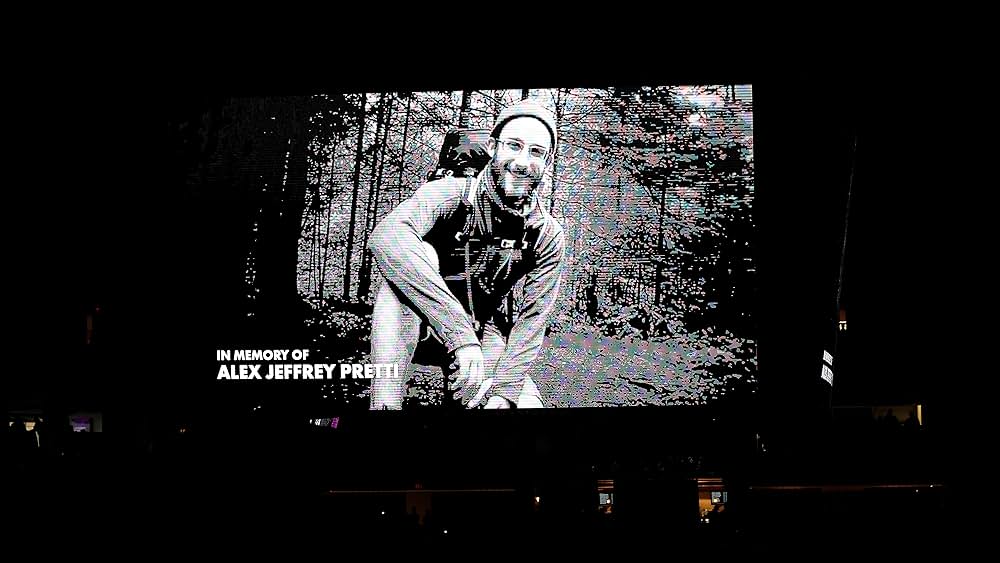
The final call that became a family’s last memory
Michael and Susan have said that their last substantial conversation with their son took place about two days before he was killed, a check-in that felt ordinary at the time but now plays back in their minds in slow motion. They remember Alex sounding tired from work but steady, talking through the logistics of his life rather than any sense of impending danger. In their telling, the call was not about confrontation or conflict, but about the small details that define a family’s ongoing relationship, the kind of conversation parents of an adult child hope to have for decades.
Accounts of that conversation describe how Alex and his parents moved easily between practical matters and broader concerns, a rhythm that reflected how closely they remained involved in one another’s lives even as he lived and worked far from home. One detailed profile notes that Alex’s last conversation with his parents came roughly two days before his death and that they used that time to talk through everyday issues as well as his plans to attend protests. Another report, framed around how Alex Pretti’s parents remember their last call, underscores that they had no sense it would be the final one, only a lingering worry about the risks he was willing to take.
What Michael and Susan say they talked about
In their recollection, the call was anchored in the mundane, which is part of what makes it so haunting now. Michael and Susan have said they spoke with Alex about repairs to his car and the cost of keeping it in good shape, a topic that fit his reputation as someone who lavished attention on his belongings. They recall going over what needed to be fixed, how much it might set him back, and how he was juggling those expenses with his work as a nurse and his growing involvement in protests.
One account quotes Michael and Susan describing how they had spoken to their son a couple of days before his death about repairs to his vehicle and about his political concerns, including his frustration with the Trump administration before his death. Another report notes that Alex was known for caring for his new Audi, a detail that dovetails with his parents’ memory of talking through the latest round of maintenance. In their telling, the conversation captured the intersection of his everyday responsibilities and his broader sense of civic duty.
Warnings from Colorado and a plea to stay cautious
From their home in Colorado, Alex’s parents had been increasingly uneasy about his decision to attend protests against federal immigration enforcement in Minneapolis. They admired his conviction but worried about the potential for escalation, particularly as tensions around immigration policy and federal enforcement grew more visible. During their last conversations, they have said, they urged him to be careful, to keep his distance from any confrontation, and to remember that his safety mattered more to them than any single demonstration.
One detailed account of the family’s perspective notes that the Colorado parents of the man killed in Minneapolis had specifically urged him to be careful at ICE protests, reflecting their fear that the situation could turn volatile. Another report quotes Pretti’s father, Michael, recalling that he told Alex if he protested to be cautious and “not engage” with people who might provoke conflict. Those warnings, delivered in the calm cadence of a parent trying not to sound alarmist, now sit at the center of the family’s grief.
A 37-year-old ICU nurse and the life he built
To understand why that final call resonates so strongly, it helps to see the life Alex had constructed by the time he reached his late thirties. He was a 37-year-old intensive care nurse who had built a reputation as a calm presence in high-stress hospital environments, someone who could manage complex cases while still making time to talk to families. Friends and colleagues have described him as a helper by instinct, a person who saw his work not just as a job but as a way to serve his country and his community.
Multiple accounts identify Alex as a 37-year-old ICU nurse in Minneapolis, while a detailed chronology of the Killing of Alex describes him as Alex Jeffrey Pretti, a 37-year-old American intensive care nurse for the United Stat Department of Veterans Affairs. Another profile frames him as a VA caregiver whose work placed him at the center of life-and-death decisions, noting that Who is Alex Pretti
From ICU to the streets of Minneapolis
Alex’s decision to join protests in Minneapolis did not emerge from nowhere. Friends and family have said he was deeply engaged with politics and policy, particularly around immigration and environmental issues, and that he saw public demonstration as an extension of the values that guided his work in the ICU. He believed that caring for patients and speaking out about government actions were part of the same obligation to protect vulnerable people.
One account of the protests notes that Saturday’s killing of Alex Pretti occurred during a Border Patrol During Minnesota Protest, placing him at the center of a clash between federal agents and demonstrators. Another report describes how people in Police Homeland Security vests had interacted with him days earlier, suggesting that his presence at protests had already drawn federal attention. For his parents, those details sharpen the sense that their warnings during that last call were not abstract, but a direct response to the risks he was already facing.
How federal agents describe the shooting
In the aftermath of Alex’s death, federal officials have offered a version of events that his family disputes. According to a Department of Homeland Security spokesperson, agents say that Alex approached officers while armed with a handgun and that they perceived him as a threat. That account has been used to justify the decision to fire at close range, even as witnesses and family members question whether lethal force was necessary or whether Alex posed an immediate danger.
One detailed report quotes DHS spokesperson Tricia McLaughlin saying that She claimed that a man, later identified as lawful gun owner Pretti, “approached” officers while armed with a handgun. The same account notes that the shooting occurred in Minneapolis on Jan. 24, after a series of protests against immigration enforcement. A separate chronology of the On January 24 events states that Alex Jeffrey Pretti was shot point-blank by a federal immigration agent while he had his arm around a woman, a detail that has fueled public debate about whether the official description fully captures what happened.
Video, prior encounters and a growing sense of risk
In the weeks before the shooting, Alex had at least one documented encounter with federal officers that now looks ominous in retrospect. Video from that interaction shows agents in tactical gear confronting him, a sign that he was already on their radar before the day he was killed. For his parents, who were urging caution from Colorado, the footage has become another painful reminder that their son was moving through an environment where the line between protest and policing was increasingly blurred.
One report describes how People in vests that appeared to say Police Homeland Security Investigations could be seen in the video of Alex’s earlier encounter with federal officers. The same account notes that attorney Steve Schleicher has been involved in reviewing the circumstances, underscoring that the case has already drawn significant legal scrutiny. For Michael and Susan, who had no way of knowing how quickly events would escalate, the existence of that earlier video interaction adds another layer of anguish to their memory of the last call.
How friends and family describe Alex’s character
Beyond the disputed details of the shooting itself, Alex’s parents have focused on reminding the public who their son was in life. They describe him as a devoted caregiver, a competitive cyclist, and someone who loved the outdoors and his adopted city. Friends have echoed that portrait, recalling a man who balanced a demanding ICU schedule with long rides, meticulous care for his car, and a deep interest in policy debates that affected his patients and neighbors.
One remembrance notes that Pretti was passionate about the outdoors, a competitive bicycle racer who lavished care on his new Audi and who had been deeply engaged in opposing the administration’s rollback of environmental regulations. Another profile of his family notes that Alex Pretti was honored at a makeshift memorial in Minneapo after his death, where relatives and friends gathered to remember his warmth and his sense of responsibility. Those details align with the way his parents talk about him on camera and in statements, emphasizing that he was a good son and a committed professional, not the caricature some political narratives might suggest.
The parents’ public plea for truth and accountability
In the days since the shooting, Michael and Susan have stepped into a public role they never sought, giving interviews and sharing statements in an effort to shape how their son is remembered. They have spoken about the last call in part because it captures their ongoing efforts to protect him, and in part because it shows that he understood the risks he was taking. Their message has been consistent: they want a full accounting of what happened and an end to what they see as misleading portrayals of their son’s actions.
One detailed family profile notes that the family ended their message with a plea for accountability and accuracy, writing, “Please get the truth out about our son. He was a good…” Another account of the last call, shared under the banner LAST CALL THEY thought would be the final one, highlights the painful details from Alex’s final conversation with his parents and how those memories have resurfaced as they push for answers. Their insistence on truth has resonated with many who see in Alex’s story a broader question about how federal power is used and how quickly a protest can turn deadly.
Grief, politics and a country watching Minneapolis
Alex’s death has reverberated far beyond his family and his hospital. In Minneapolis and across Minnesota, vigils and protests have drawn people who see his killing as part of a larger pattern of aggressive federal enforcement and contested narratives about public safety. For many, the image of a 37-year-old ICU nurse shot point-blank by a federal immigration agent has become a symbol of the stakes in the national debate over immigration policy and protest rights.
One analysis of the reaction in Minnesota quotes a local resident saying their initial reaction was shock, especially given that the killing happened just a state away and involved a VA nurse. Another account of the family’s outreach notes that ALEX PRETTI PARENTS last call with their son just days before he was fatally shot, a framing that has helped center the parents’ voices in the broader conversation. As the country watches what happens next in Minneapolis, the details of that final phone call, and the life that preceded it, remain at the heart of how many people understand the loss.
More from Vinyl and Velvet:

Leave a Reply