

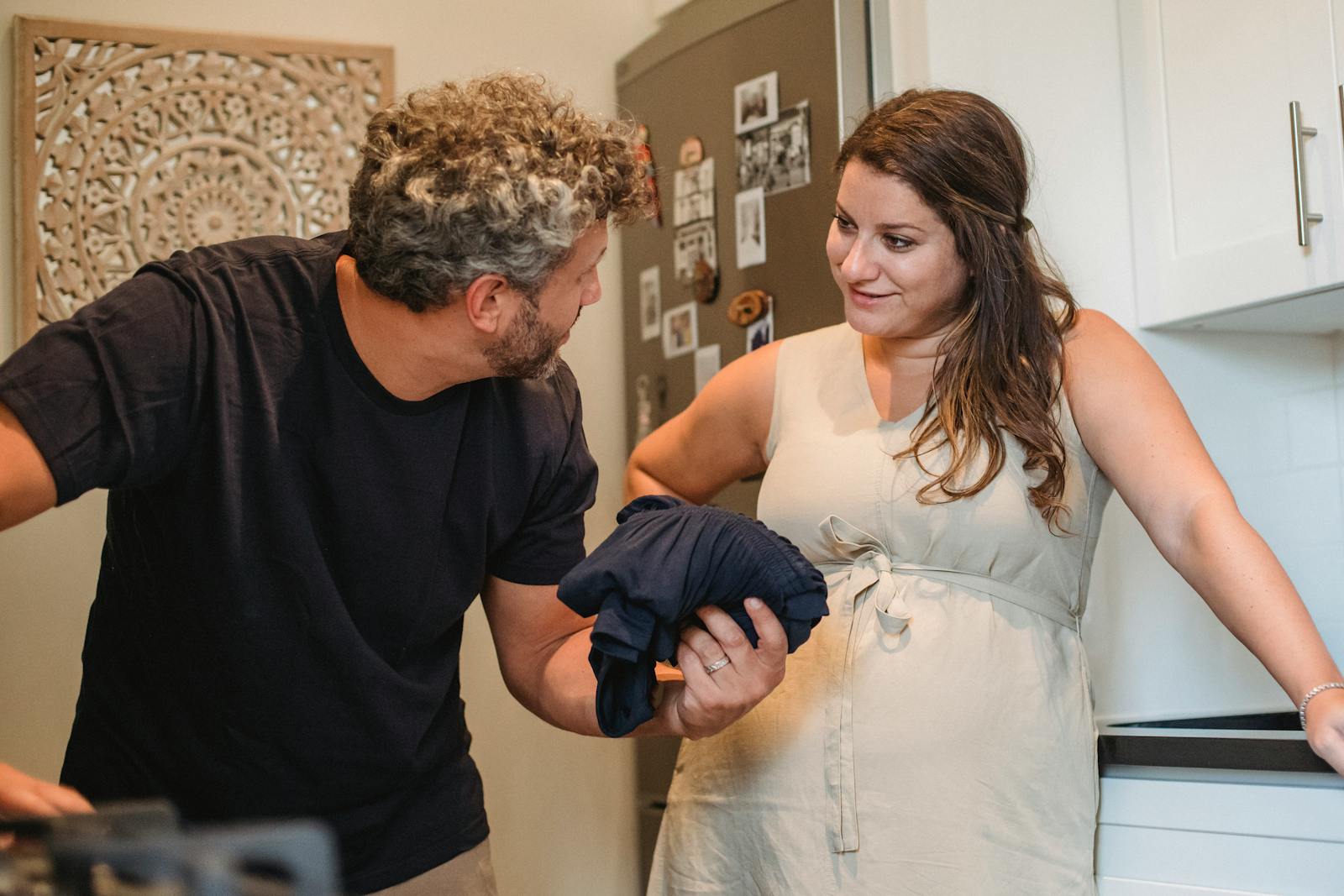
So, picture this: you’ve just had a long day at work, and the last thing you want to deal with is a mountain of laundry staring you down like it’s about to start a war. You finally muster the energy to tackle the dishes, only to find out that you’re not alone in your struggle. You turn to your partner and say, “I’m feeling really overwhelmed with all the housework.” And then, bam! You get hit with the response, “You’re just playing the victim.” Ouch! Talk about a curveball.
The Reality of Household Responsibilities
Housework can feel like an endless cycle of cleaning, cooking, and organizing, and it’s easy to feel like you’re carrying the weight of the world on your shoulders. Many of us have been there—juggling jobs, kids, and everything in between, while the laundry basket seems to multiply overnight. It’s a common struggle in many households, and it can lead to some pretty heated conversations.
When one partner feels overwhelmed, it’s easy for the other to misinterpret that as whining or playing the victim. But is that really what’s happening? Most likely, it’s just someone asking for a little support. It’s not about blaming anyone; it’s about sharing the load. And let’s face it, housework is not the most glamorous job. If it were, we’d probably see it featured on reality TV, complete with dramatic music and slow-motion shots of dust bunnies being vanquished.
Finding Common Ground
What’s essential in these moments is communication. It’s easy for feelings to get hurt, especially when you’re both tired and just trying to survive the day. If your partner feels like you’re playing the victim, it might be worth stepping back and figuring out how to express your feelings better. “I’m feeling overwhelmed” can sometimes come off as “I can’t handle this,” which might trigger a defensive response. You might consider saying, “I could really use some help with this,” instead. It’s like asking for a lifeline rather than throwing in the towel.
Revisiting the Chore Chart
One way to tackle the housework issue is to revisit how you’re splitting those chores. It might sound old-school, but a chore chart can do wonders. Sit down together and list out everything that needs to be done—cleaning, grocery shopping, cooking, you name it. Then, divide those tasks based on each other’s strengths and preferences. Maybe one of you loves cooking but despises vacuuming, while the other finds joy in organizing but would rather poke their eyes out than scrub a toilet. Finding a balance can lighten the load and make it feel more like teamwork rather than a battleground.
Asking for Help Is Not a Weakness
Here’s the thing: asking for help doesn’t make you weak; it makes you human. Everyone has their breaking point, and recognizing it is a sign of strength, not victimhood. If you’re feeling overwhelmed, it’s okay to admit it. It doesn’t mean you can’t handle things; it just means you’re juggling a lot right now and could use a little backup. It’s like being in a superhero movie—everyone needs a sidekick. Who doesn’t love a good team-up?
Check-In Regularly
Sometimes, we get so caught up in our routines that we forget to check in with each other. Make it a point to have regular conversations about how things are going. Set aside some time, grab a coffee, and discuss what’s working and what isn’t. Maybe one week, you’ll find that one partner has taken on more, and it’s feeling a bit lopsided. Addressing these things early can prevent resentment from building up. Plus, it can be a great excuse to reconnect and share a laugh—or even a few eye rolls—about the chaos of everyday life.
Wrap It Up with Love
At the end of the day, it’s important to remember that you’re both on the same team. When tensions rise over housework, it can be easy to forget that you’re both aiming for the same goal: a happy, healthy home. So, when you feel overwhelmed, voice it—just remember to frame it in a way that invites collaboration. You’re not playing the victim; you’re a partner looking for a little help. And who knows? You might end up laughing about those dust bunnies instead of letting them drive a wedge between you.
More from Vinyl and Velvet:

Leave a Reply