

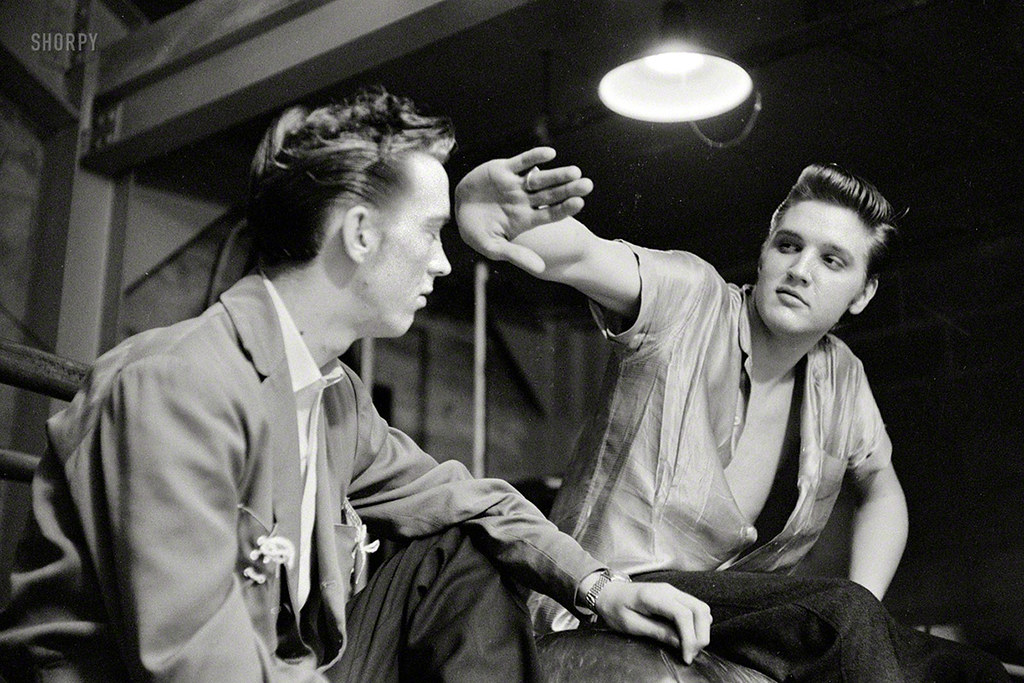
You watch his hair get shorn on the front pages, feel the ticket sales freeze, and wonder how a global sensation could survive being peeled away from fame. Elvis’s induction in 1958 didn’t just slow his momentum; it forced a complete reframe of his public image, creative output, and personal life. He walked into the Army as the King of Rock ’n’ Roll and risked losing his crown—yet his choices during service ultimately shaped the next phase of his career.
Expect a look at how his meteoric rise set the stakes, the exact ways military life disrupted his career path, the personal and professional challenges he faced while stationed in the United States and Germany, and how those years fed the comeback that followed. The story highlights turning points you might not expect and explains why those two years mattered as much as any record or film.
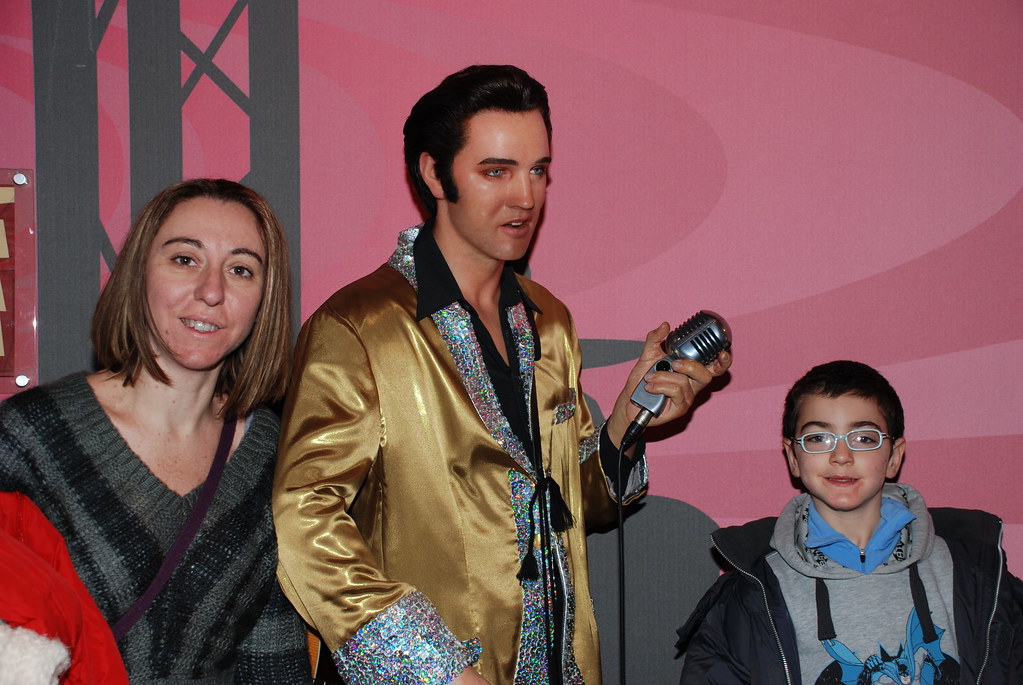
Elvis Presley’s Meteoric Rise Before the Draft
Elvis transformed regional success into national fame through electrifying performances, hit records, and studio films. By early 1958 he had become a cultural phenomenon, with record sales, television appearances, and Hollywood contracts all accelerating his profile.
Becoming the King of Rock ‘n’ Roll
Elvis broke out in Memphis after the 1954 Sun Records sessions, blending country, rhythm and blues, and gospel into a single, energetic style. His stage presence—open-throated singing, hip movements, and charisma—drew intense youth attention and alarmed some older observers.
By 1956 he headlined national television shows and toured extensively. Promoters and the press began calling him the King of Rock and Roll as record sales and sold-out arenas made that label hard to ignore.
Music and Film Successes Leading up to 1958
Between 1956 and 1957 Elvis balanced a relentless touring schedule with studio work. He signed to RCA Victor and recorded in Nashville and New York, producing records that crossed racial and genre boundaries.
Hollywood producers took notice. Film contracts gave him steady screen exposure and expanded his audience beyond music fans. The combined momentum of records, radio play, and movies positioned him at the center of American popular culture by the time of his draft.
Key Hits like Heartbreak Hotel and Jailhouse Rock
“Heartbreak Hotel” (1956) marked Elvis’s first national No. 1 single and established his commercial dominance. The song’s moody delivery and atmospheric production made it a defining early record.
“Jailhouse Rock” followed as both a major single and the title song of a 1957 movie. The recording’s driving rhythm and the film’s prison-set dance routine became iconic moments in his career, boosting record sales and solidifying his image as a provocative entertainer.
The ‘King Creole’ Filming Period
In 1957 Elvis took a more serious acting turn with King Creole, working with director Michael Curtiz on a New Orleans–set drama. He played a troubled young singer, showcasing stronger dramatic ability than in his earlier screen roles.
The production received critical attention that suggested he could be more than a musical novelty. King Creole’s tone and Elvis’s performance offered a glimpse of artistic depth just before his Army induction.
Relevant contemporary accounts document this rise in detail, including discussions of his Sun Records beginnings and 1956 breakthrough. For background on his sudden national fame in 1956, see an account of Elvis’s rise to fame in 1956.
Getting Drafted: How the Army Changed Everything
Elvis suddenly left headline-making concerts and movie sets for induction papers, basic training, and two years of regular duty. The decisions he made about treatment, assignments, and living arrangements reshaped his public image and personal life.
Receiving the Draft Notice and Public Reaction
Elvis received his draft notice in December 1957 and formally entered the Army on March 24, 1958. He reported at the Memphis draft board, then boarded a bus to Fort Chaffee, Arkansas — an event covered by national and international press that turned his induction into a cultural moment.
Public reaction split sharply. Many parents and civic leaders cheered the idea that the rebellious young star would serve like other Americans. Fans reacted with alarm and grief; newspapers labeled the induction day “Black Monday” for his followers. Meanwhile, industry figures and studios scrambled to protect Elvis’s career with contracts and recorded material while he served.
Turning Down Special Treatment in the Military
Offers for preferential treatment arrived almost immediately. The Navy proposed an Elvis-centric company and private quarters with performance opportunities, and the Army dangled Special Services roles that would have kept him entertaining rather than training.
Elvis, influenced by advice and pressure from manager Colonel Tom Parker, declined those options and chose to serve as a regular soldier. He refused Special Services despite knowing it would mean more grueling duties and less public visibility. Parker framed this choice as necessary to repair Elvis’s reputation and promised arrangements to safeguard his post-service career, including film and recording deals.
Basic Training at Fort Chaffee and Fort Hood
Induction began at Fort Chaffee for initial processing; Elvis spent only a few days there before moving on. He completed basic and tank training at Fort Hood, Texas, where he was assigned to armored units and became a pistol sharpshooter.
Training proved emotionally difficult. He wrote letters describing homesickness and fear for his career. Instructors remembered moments of vulnerability; fellow soldiers recalled he sometimes broke down on calls home. Yet he also engaged fully with the physical demands — tank obstacle courses and crew drills — and earned respect for serving as an ordinary GI rather than using his celebrity as a shield.
Life as Private Presley in the Second and Third Armored Divisions
After Fort Hood, Elvis shipped to West Germany and served with the 1st Medium Tank Battalion, 32d Armor of the 3rd Armored Division at Ray Barracks; earlier stateside assignments tied him to units associated with the 2nd Armored Division. He held the rank of private (later promoted to sergeant) and worked as an armor intelligence specialist and occasional chauffeur.
Off duty, he lived off post in hotels in Bad Homburg and Bad Nauheim with family nearby. He avoided public performances but helped friends like Charlie Hodge with informal shows. Personal life intruded: he met Priscilla while stationed there, coped with his mother Gladys’s illness and death, and maintained on- and off-duty relationships, including with Anita Wood. Military life stripped celebrity trappings and forced him to navigate ordinary soldier routines, altering how fans and the press perceived “Private Presley.”
Challenges and Transformations During Service
Elvis entered the Army celebrated but unsettled, then experienced deep personal loss, new relationships, and shifts in health and behavior that changed him. His time in Germany reshaped daily life, social circles, and coping mechanisms in ways that influenced his post-service career.
Coping with the Loss of Gladys Presley
Gladys Presley’s death in August 1958 struck Elvis while he served at Fort Hood and shortly before his deployment to Germany. He went on emergency leave, returned for the funeral, and repeatedly broke down in grief; contemporaneous accounts show he struggled to regain emotional stability after her passing.
Friends and fellow soldiers noted his intense attachment to his mother; he kept strict instructions that her room remain untouched and delayed activities that felt like moving on. The loss amplified existing homesickness and career anxiety, contributing to a more withdrawn, moody demeanor in letters and conversations. That grief also increased his reliance on close companions for comfort and advice.
Living in Bad Nauheim and New Personal Relationships
Stationed at Ray Barracks, Elvis lived off-post in hotels in Bad Homburg and Bad Nauheim with family members and occasional visitors. These towns provided more privacy than a base but kept him close to military duties and to a small civilian social scene. Living in Bad Nauheim let him maintain a quasi-domestic life: family stayed with him, and managers sent publicity material to protect his career while abroad.
The off-post arrangement altered his daily routine. He attended unit duties and socialized informally at local venues, which blurred his public and private identities. Local memorials and later plaques reflect the town’s prolonged association with him. Living there also created opportunities for new friendships with soldiers and locals that would shape his post-army connections.
Meeting Priscilla Beaulieu and Making New Friends
In Bad Nauheim Elvis met Priscilla Beaulieu when she was a teenager and he was a soldier; their first meetings began at social events and through mutual acquaintances. Their relationship developed gradually: initial courtship, chaperoned visits, and steady communication that continued after his return to the U.S. Priscilla became a lasting personal anchor and later his wife.
Elvis also forged close friendships with fellow troops such as Charlie Hodge, who later joined his post-service inner circle. Hodge encouraged musical collaboration during downtime and became a trusted confidant. These new bonds provided emotional support, practical help with performances, and a bridge between military life and his entertainment career.
Emergence of Health and Addiction Issues
During and after his Army service Elvis began to show patterns of prescription drug use that later escalated. Service stress, grief over his mother, erratic sleep, and ongoing performance pressures contributed to reliance on sedatives and stimulants. Reports from friends and contemporaries indicate he used barbiturates and amphetamines to manage energy and mood.
Medical management in that era often involved readily prescribed pills, and Elvis’s access increased through physicians and entourages managing tour and film schedules. This pattern undermined sleep and emotional regulation and would complicate his career and personal life in subsequent years. His interest in activities like karate offered physical outlet and discipline, but did not address the deeper dependency trends forming at the time.
Post-Army Comeback and Lasting Impact
Elvis returned to civilian life with his public image intact but his career at a crossroads. He moved quickly into recording and film work, rebuilt a stage presence at Graceland, and set the stage for a later reinvention that shaped his legacy.
Honorable Discharge and Return to Music
Elvis received an honorable discharge in March 1960 after serving two years in the U.S. Army. He reported back to the music industry immediately, signing studio time and scheduling performances to reassert his place on the charts.
His first post-service single, “Stuck on You,” reached high chart positions and signaled that fans still followed him. He also resumed live appearances intermittently while prioritizing studio work, which provided steady output and helped him adapt to changing tastes in rock and pop.
The discharge itself carried symbolic weight. Having served as an enlisted man rather than in a special-services role, he avoided accusations of preferential treatment. That choice helped preserve a measure of public respect and made his musical comeback feel earned.
Recording and Film Projects: G.I. Blues and More
Elvis combined music and film to rebuild momentum. He starred in G.I. Blues (1960), a commercially successful movie that capitalized on his soldier image and included soundtrack songs that charted well.
Studio sessions after the Army produced multiple albums and singles. Those recordings mixed ballads and uptempo numbers to appeal to both longtime fans and a broader pop audience. He worked with familiar producers and arrangers to produce a polished sound that fit early‑1960s radio.
At the same time, the heavy output of films and soundtracks began shaping his career toward Hollywood-style projects. G.I. Blues kept his military connection visible and helped him monetize his post-Army popularity, though the focus on movies would later complicate his artistic trajectory.
Career Rebound at Graceland
Graceland functioned as both home base and image anchor during his return. He used the estate for private rehearsals, parties, and as a place to entertain industry figures, which reinforced his celebrity lifestyle while giving him control over appearances and timelines.
He staged select live performances and television appearances rather than exhaustive tours, balancing public exposure with personal retreat. This strategy preserved demand and mystique, and made each appearance feel like an event.
Graceland also served as a creative retreat where he tested new material and shaped his stage persona for the late‑1960s comeback. The house’s growing fame tied his private life to his public brand, turning the property into a cultural landmark linked to his renewed career.
Legacy: Reinventing the King After 1960
Elvis’s post‑Army years set up a long-term reinvention that reached a peak with his 1968 comeback special. The steady stream of recordings, film work, and curated public appearances kept him visible during a period when rock tastes were shifting.
His decision to serve as a regular soldier and then return to mainstream entertainment changed how audiences perceived him. It lent him credibility and a narrative of resilience that outlived early career scandals.
Physical sites tied to national memory, like the USS Arizona Memorial, contrasted with celebrity landmarks such as Graceland, illustrating how his legacy sits between popular culture and broader historical memory. His post‑Army choices shaped the way later generations interpreted him: as a performer who could be redefined while remaining unmistakably Elvis.
More from Vinyl and Velvet:

Leave a Reply