

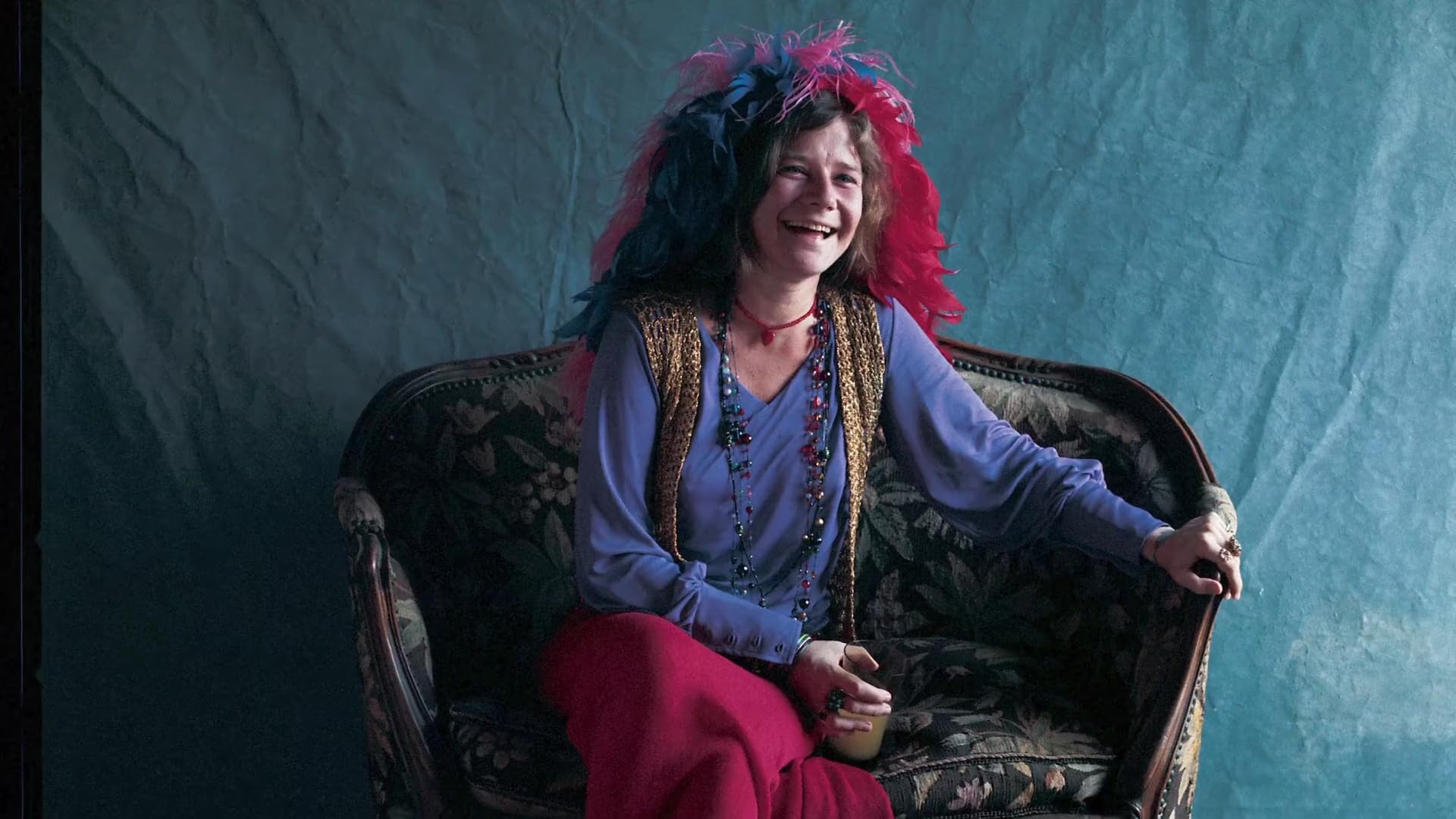
Janis Joplin’s voice helped define the late 1960s, but behind the scenes her career was shaped by a manager who treated artists like high‑risk investments. Years before her death, Albert Grossman quietly arranged a life insurance policy on his client that would pay out only if she died in an accident. When Joplin was found dead in a Los Angeles hotel room, he ultimately collected the full benefit.
I want to trace how that decision fit into the business logic of the era, why the payout still unsettles fans, and what it reveals about the power imbalance between a star and the person paid to protect her interests. The story sits at the uneasy intersection of art, money, and mortality, where a manager could profit from the very tragedy that turned a singer into a legend.

The Manager Behind the Legend
Albert Bernard Grossman was already a formidable presence in the music business by the time he crossed paths with Janis Joplin. Described as an American entrepreneur who built his reputation guiding major folk and rock acts, he cultivated an image of a hard‑bargaining advocate who could turn raw talent into commercial power. Contemporary accounts and archival material identify Albert Bernard Grossman as a central figure in the Woodstock generation’s business infrastructure, someone who understood both counterculture aesthetics and corporate contracts.
Photographs from around 1968 show Janis Joplin standing beside Albert Grossman, a visual reminder that her rise was not only a story of talent but also of management strategy. He was known for securing aggressive deals and long‑term control over his clients’ careers, and that approach would shape the way Joplin’s work, and even her death, were monetized.
Signing Janis Joplin and Big Brother
Grossman’s relationship with Joplin began in the late 1960s, when he moved to formalize her status as a breakout star. In 1967, Grossman signed Janis Joplin and her four bandmates from Big Brother and, a move that effectively brought the entire group under his control. The deal was not casual; it came with conditions that reflected his belief that artists needed firm direction to reach their commercial potential.
Accounts of that contract emphasize that Janis Joplin and her bandmates were required to make specific professional commitments, underscoring how Grossman saw them less as a loose psychedelic collective and more as a structured business asset. That framing helps explain why he later approached her life, and death, with the same kind of financial planning he might apply to a tour or a record advance.
A Star Living On The Edge
Onstage, Joplin projected a sense of total control that masked how precarious her life had become. One widely cited description notes that her Manual dexterity onstage and the appearance of controlling her own destiny, no matter how drunk or stoned, diverted many people’s attention from the severity of her addictions. That illusion of command fed the myth of the fearless blues shouter, even as the risks around her escalated.
Behind the scenes, friends and colleagues saw a different picture, one in which heavy drinking and heroin use made every tour and recording session a gamble. Later commentary has suggested that if she had not died of an overdose, some observers might have assumed her death had been a suicide, a reflection of how dark her personal struggles appeared. That context is crucial when assessing why a manager like Grossman might look at Joplin and see not only a star but also a looming financial liability.
Taking Out The Life Insurance Policy
In 1969, Grossman made a decision that would echo far beyond the usual boundaries of artist management. He secured a life insurance policy on Joplin that, according to detailed accounts, only applied in the case of an accidental death. Reporting on that arrangement notes that Taking Out The was framed as a way to protect his business interests if his client’s high‑risk lifestyle ended in tragedy.
The policy was not a standard benefit for the artist or her family; it was arranged so that Grossman himself would be the beneficiary. Coverage that triggered only in the event of an accident meant that a natural death or illness would not pay out, but an overdose classified as accidental would. That structure, as described in later retrospectives on Grossman and Joplin, effectively turned her survival odds into a line item on his balance sheet.
The Night In Los Angeles
The policy’s grim relevance became clear when Joplin died in a hotel room in Los Angeles. According to historical accounts, On October 4, 1970, singer Janis Joplin died of an accidental heroin overdose and was discovered in her Los Angeles hotel room after she failed to show up for a recording session. Authorities classified the overdose as accidental, a finding that would later prove crucial for the insurance claim.
That ruling meant her death fit the specific terms of the policy Grossman had arranged. The same event that cemented her status as a rock‑and‑roll legend also activated a financial instrument designed around the possibility that she might not survive the lifestyle that had made her famous. For fans, the juxtaposition of a young artist’s body in a hotel room and a manager’s pending claim on an accident‑only policy remains one of the most unsettling details in the story of Joplin’s final days.
Collecting $112,000 After Her Death
In the years after Joplin’s death, the insurance arrangement moved from paperwork to payout. Historical notes on Grossman’s career record that by 1974, when his only living clients were the members of the Band, he was still occupied with Joplin’s legal and financial affairs. That work included pursuing the claim on the policy he had taken out while she was alive.
One widely shared summary of rock history notes that Today in Rock History March 11, 1974, Janis Joplin’s manager, Albert Grossman, was awarded $112,000 from her life insurance policy. Separate reporting on the case notes that $112K was the amount he ultimately collected.
How The Payout Still Shapes Her Legacy
The fact that Grossman profited directly from Joplin’s death has become part of how fans and historians interpret her story. Modern write‑ups on the episode often foreground that Janis Joplin’s manager Albert Grossman took out a life insurance policy on her and that After Joplin died, he collected the money. For many, that detail crystallizes a broader discomfort with how the music industry has historically monetized both the lives and deaths of its stars.
At the same time, some defenders of Grossman’s approach argue that managers routinely insure key performers to protect against lost revenue, especially when substance abuse makes a tour or recording schedule fragile. The difference in Joplin’s case is how starkly the numbers are recorded and remembered, from the Janis Joplin policy’s accident‑only terms to the precise $112,000 payout. Those figures have become shorthand for the way her artistry and vulnerability were converted into financial instruments.
What It Reveals About Power And Risk
Looking back, the insurance decision highlights the imbalance between a young artist immersed in the chaos of fame and a seasoned manager with the tools to turn that chaos into leverage. Grossman’s broader career, which later involved managing only the Band while he continued to handle What remained of Joplin’s affairs, shows a pattern of long‑term control over the financial legacies of the artists he represented. In that light, the policy looks less like an anomaly and more like an extension of his usual business practices.
For Joplin, whose Manual stage presence convinced audiences she was steering her own fate, the reality was more complicated. The structures around her, from management contracts with Grossman to the accident‑only policy that paid out after her overdose, were built by others and designed to outlast her. That tension between artistic autonomy and contractual dependence is part of why the story of her manager’s insurance windfall still resonates in debates about how the music industry treats its most vulnerable stars.
The Enduring Cautionary Tale
More than half a century after Joplin’s death, the details of her relationship with Grossman continue to surface in retrospectives and fan discussions. Archival posts that pair images of Janis Joplin and Albert Grossman with reminders of his role as an American manager underscore how inseparable her image has become from the business decisions that surrounded her. The insurance policy and the Joplin payout are now part of that shared memory.
For younger artists and their teams, the episode functions as a warning about how contracts, insurance policies, and legal structures can shape a legacy long after the music stops. The story of a manager who insured his client’s life, then collected when she died of an accidental overdose in Los Angeles, forces a hard look at where the line should be drawn between prudent risk management and a system that can appear to profit from loss. In Joplin’s case, that line is etched in the stark figure of $112K, a number that lingers alongside her recordings as part of the story she left behind.
More from Vinyl and Velvet:

Leave a Reply