

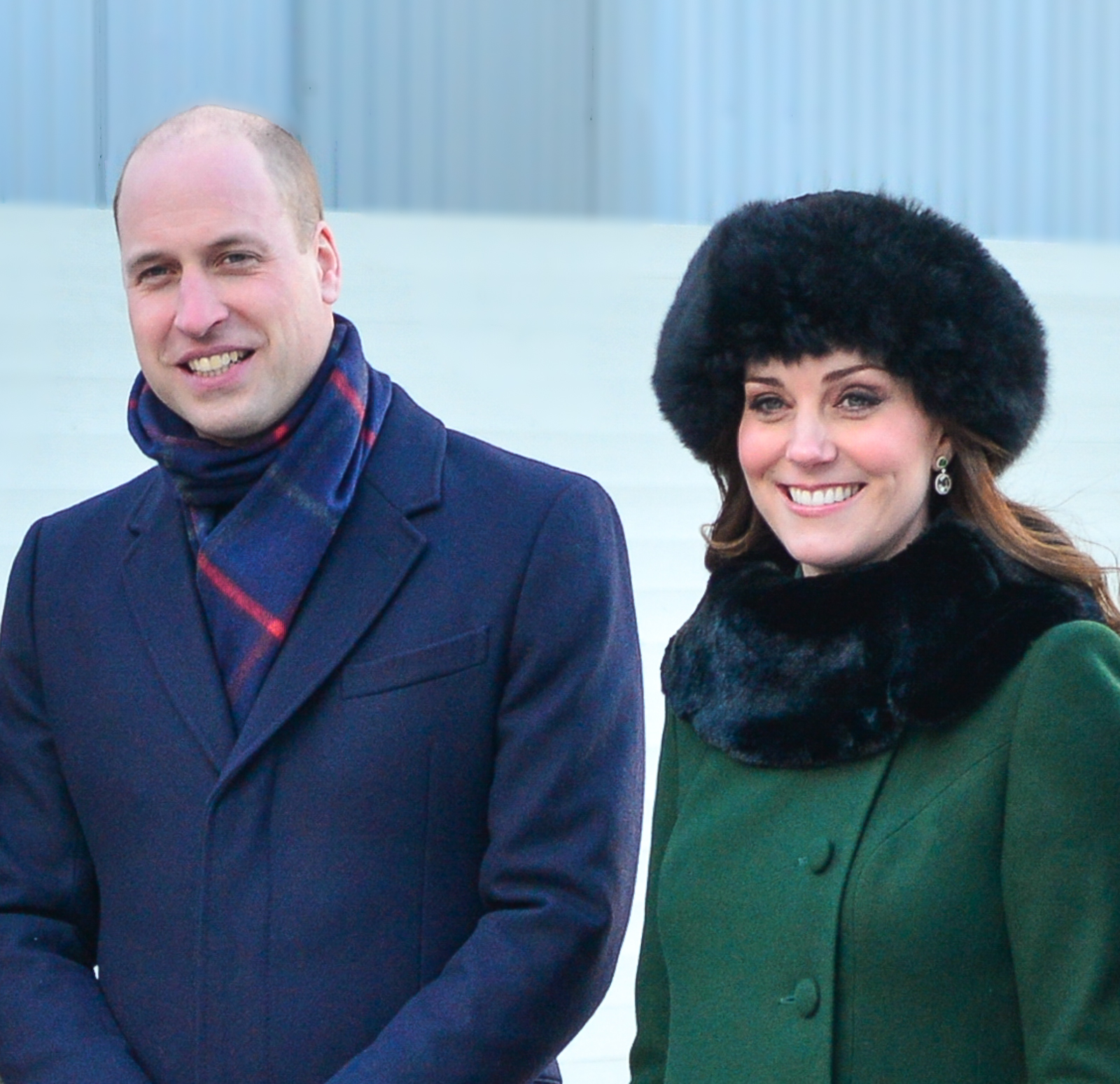
Princess Kate has spent the past two years navigating personal crisis and public scrutiny, yet her most revealing statements have often arrived without a single word. In a recent appearance, a body language specialist argued that a playful, almost teasing exchange showed the Princess of Wales flirting back while quietly signalling that she is no royal doormat. I want to unpack how that claim fits into a longer pattern in which her posture, glances, and gestures have evolved into a kind of soft power.
From the way she stands beside the future king to the way she handles speculation about royal rifts, Princess Kate’s nonverbal cues now read less like a supporting role and more like a woman who knows exactly where she stands. The result is a portrait of a royal who can be warm, even flirty, while still drawing firm boundaries in a family and an institution that rarely say such things out loud.
The “flirty” moment that sparked the no‑doormat debate
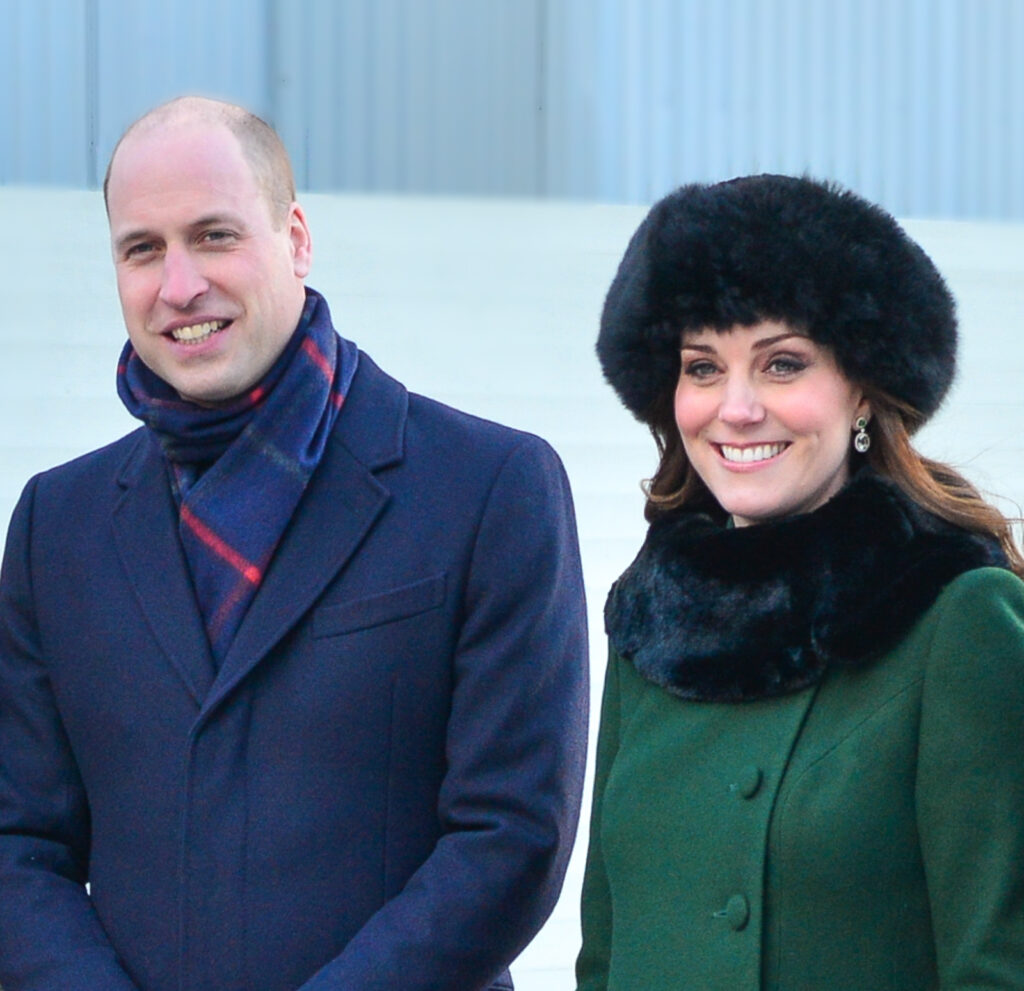
The latest wave of analysis began with a fleeting interaction that body language experts seized on as unusually revealing. In that moment, Princess Kate appeared to respond to a lighthearted cue with what one specialist described as a deliberately “flirty” reaction, a tiny beat of playfulness that still kept her firmly in control of the exchange. The expert framed it as a sign that she was willing to engage, but only on her own terms, and that balance between warmth and self‑possession is what they argued undercut any idea of her as a passive royal spouse.
One detailed breakdown suggested that the combination of eye contact, a quick smile, and a subtle shift of her shoulders amounted to a kind of nonverbal “I see you” that stopped well short of deference. The analysis, shared in a piece on how a body language expert “shares the flirty way Princess Kate revealed she will not be a royal doormat,” highlighted how the interaction fit a broader pattern of Princess Kate showing her fun side within the constraints of royal formality.
A tumultuous backdrop for Princess Kate and her family
To understand why that small moment resonated, it helps to remember the pressure cooker in which it occurred. In 2024, reports described a tumultuous period for Princess Kate and her family, marked most starkly by the Princess of Wales publicly sharing her cancer diagnosis and then undergoing preventative chemotherapy. That disclosure, rare in its candour, placed her health and resilience at the centre of global attention and inevitably coloured how every subsequent appearance was read.
Coverage of that period stressed that the upheaval did not just affect her personally, but reshaped the rhythm of public duties for Princess Kate and the wider household. One account of how she signalled she is not a royal doormat explicitly framed the “flirty” analysis against the backdrop of a year in which the Princess of Wales had to balance treatment, parenting, and the expectations of a future queen. In that context, the same report noted that Princess Kate and were navigating a level of strain that made her composed public demeanour even more striking.
Why experts say she is “no royal doormat”
Body language specialists have been unusually blunt in rejecting the idea that the Princess of Wales is a background figure. One expert argued that Princess Kate’s gestures, from the way she plants her feet to the way she angles her shoulders toward or away from others, show a woman who expects to be treated as an equal partner rather than a decorative consort. They pointed to her habit of maintaining direct eye contact and initiating interactions as signs that she is not simply being led through engagements but actively shaping them.
In one widely cited assessment, the expert suggested that Princess Kate’s confident stance and controlled expressions mean she cannot credibly be considered a “royal doormat,” a phrase that has since become shorthand for the debate over her role. That analysis, which emphasised how the Princess of Wales uses small but consistent signals of autonomy, was summarised in a report that described how Princess Kate’s body undercuts any narrative of subservience.
From stiff upper lip to relaxed confidence
The current, more relaxed Princess of Wales did not appear overnight. Early in her royal life, analysts noted that her public demeanour with Prince William could feel formal, even stiff, as if both were still learning how to inhabit their roles. One expert recalled that the couple’s body language once reflected a classic “stiff upper lip” approach, with limited displays of affection and carefully controlled expressions that kept personal warmth at arm’s length.
Over time, that same specialist argued, both partners have visibly loosened up, allowing more natural smiles, shared jokes, and easy physical proximity. In a detailed review of her evolution, the expert contrasted those early years with more recent appearances where Princess Kate’s gestures seem spontaneous rather than rehearsed. That shift was captured in an analysis that described how the couple’s once‑formal style has softened into something more open, a point underscored in a piece noting that their body language used to be “very stiff upper lip” before becoming more fluid, as highlighted in a report on how a body language expert says Princess Kate has evolved her public style.
The future King and Queen’s quietly flirty dynamic
That evolution is perhaps most visible in how Princess Kate interacts with Prince William in public. Observers have noted that the future King and Queen often share quick, almost conspiratorial glances, small smiles, and light touches that read as unmistakably affectionate. Those moments are not grand displays, but they are frequent enough that experts now describe their body language as naturally flirtatious, a sign of a couple who are comfortable enough in their roles to let genuine warmth show.
One analysis of their appearances highlighted how Princess Kate sometimes throws brief, sidelong looks at her husband that seem to invite a shared joke, while he responds with relaxed smiles or a hand at the small of her back. The same report stressed that she looks confident and at ease in these exchanges, rather than seeking reassurance. That dynamic was summed up in coverage noting that the future King and Queen in waiting are often caught in flirtatious body language that still feels grounded and genuine.
“No doormat, no apologies”: the power of a playful move
One recent commentary distilled the mood around Princess Kate’s new assertiveness into a striking phrase: “NO DOORMAT, NO APOLOGIES.” The writer argued that a single flirty move, captured on camera, sent a quiet but powerful message about how she intends to occupy her role. For a split second, the interaction looked almost like a private joke, yet it unfolded in a room full of cameras, which is precisely what made it so telling.
According to that analysis, the Princess of Wales managed to inject levity into a formal setting while still projecting authority, a combination that suggested she can command a room without raising her voice. The commentary framed the gesture as a reminder that Princess Kate is prepared to be playful, but not at the expense of her dignity or boundaries. That reading was encapsulated in a social media post that described how her flirty move sends a quiet signal about where she draws the line.
How illness and recovery sharpened her public resolve
The Princess of Wales’s health battle has also shaped how experts interpret her body language. When she disclosed her cancer diagnosis and began preventative chemotherapy, she did so in a carefully staged message that combined vulnerability with composure. Analysts noted that even as she spoke about fear and uncertainty, her posture remained upright, her hands steady, and her gaze direct, all of which suggested a determination to frame herself as resilient rather than fragile.
Subsequent reports on her recovery period in 2025 emphasised that she continued to project that same steadiness during limited public appearances. One account of her recent engagements stressed that the Princess of Wales had faced a “tumultuous” time yet still appeared poised and in control when she returned to the spotlight. That narrative, which underpins many of the “no doormat” readings, was reinforced in coverage explaining that Princess of Wales had undergone preventative chemotherapy yet continued to signal strength in her nonverbal cues.
Growing into the role beside The Prince of Wales
Another thread running through expert commentary is how Princess Kate has grown alongside The Prince of Wales as both adjusted to their future roles. Analysts have pointed to specific engagements where his ease with the public, such as kneeling to speak with veterans or spending extra time with well‑wishers, appears to have encouraged her to relax as well. Over time, their body language has shifted from slightly formal synchrony to a more natural partnership in which each seems to anticipate the other’s movements.
One detailed review of their journey noted that The Prince of Wales showed particular warmth during a VJ Day reception, where he knelt and held hands with World War II veterans, and that this kind of grounded empathy has become a hallmark of their joint appearances. The same analysis argued that as he leaned into that style, Princess Kate’s own confidence grew, with both now presenting as a cohesive team rather than a leader and a follower. That evolution was captured in a report explaining how Prince of Wales demonstrated that ease at a VJ Day event with World War II veterans, helping set the tone for their shared approach.
Handling royal rifts and rumours without a word
Princess Kate’s nonverbal communication has also been scrutinised in the context of reported tensions within the wider royal family. When speculation swirled about a possible thaw between her and Meghan, Duchess of Sussex, some observers seized on a small hat gesture as evidence of reconciliation. A leading body language expert, however, dismissed that interpretation as “inconceivable,” arguing that the movement was being wildly over‑read and that there was no genuine sign of rapprochement in her demeanour.
That rebuttal, discussed by Digital Reporter Reilly Sullivan, underscored how Princess Catherine’s body language can be misinterpreted when observers project their own hopes onto minor gestures. The expert’s view was that her posture and expressions in that moment remained neutral, offering no hint of the emotional softening some commentators wanted to see. The exchange was summarised in coverage noting that Digital Reporter Reilly relayed the expert’s insistence that Princess Catherine’s gesture did not signal reconciliation.
What her body language tells us about the monarchy’s future
Put together, these readings of Princess Kate’s body language sketch a portrait of a future queen who intends to be neither ornamental nor confrontational. Her mix of flirtatious ease with Prince William, steady composure during illness, and firm boundaries in the face of speculation suggests a style of leadership that is quietly assertive. She appears willing to show vulnerability and humour, but she also uses posture, eye contact, and small gestures to signal that she expects respect and agency within the institution.
Experts who argue that she is “no royal doormat” see those signals as part of a broader shift in how the monarchy presents itself, with the Princess of Wales embodying a more modern, emotionally literate form of authority. That perspective has been reinforced in multiple analyses that link her recent appearances to a narrative of resilience after a difficult year, including reports that 2024 was a tumultuous time yet still produced a Princess who looks more self‑possessed than ever. One such account, which described how Princess of Wales will not be a royal doormat, and another that emphasised that Kate is no, both point to the same conclusion: her body language is not just about charm, it is about quietly redrawing the lines of royal power.
More from Vinyl and Velvet:

Leave a Reply