

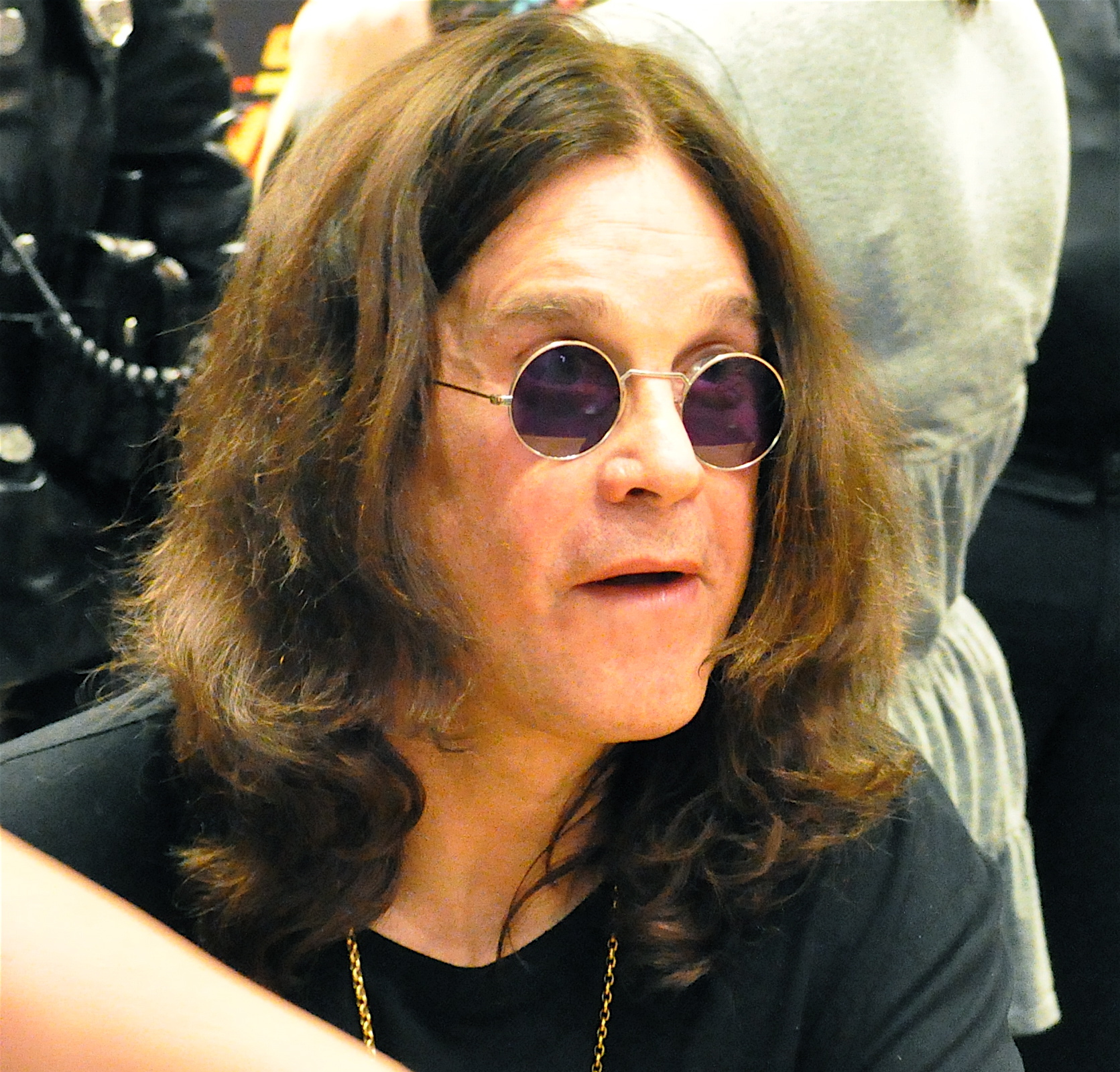
Ozzy Osbourne spent his final years plotting one last statement, a record he believed would prove that age, illness and retirement could not blunt his instincts for heavy music. Those plans never reached the public, leaving behind the tantalizing idea of a secret album that existed more as a mission than a finished product. What remains is a trail of studio intentions, collaborators, demos and a single late recording that together sketch the contours of the record he wanted to make, but that fans will likely never hear as he imagined it.
The Final Mission Behind a “Secret” Album
In the months before his death, Ozzy Osbourne was not easing into silence, he was talking about one more album as a kind of unfinished business. Reports describe him as determined to show that his creative fire was still burning and that he had at least one more heavy statement in him before stepping away for good, a mindset that framed this unwritten record as a personal test rather than a contractual obligation. Those close to him have said he saw it as a way to close the book on his own terms, with the same defiant energy that had carried him from Black Sabbath to solo stardom.
Accounts of his final stretch describe Ozzy Osbourne as actively planning new music, not simply reminiscing about past glories, and emphasize that he reportedly wanted to make another album before his death to prove that he could still deliver at full power. One report notes that, before he died, Ozzy Osbourne had concrete plans to make another album, while a separate account similarly stresses that, before his death, Before he died he reportedly intended to record new music. Together, these reports frame the so‑called secret album less as a mythic lost tape and more as a serious late‑career goal that circumstances prevented him from fully realizing.
From “Patient Number 9” To One More Studio Push
Ozzy’s drive for a final record did not come out of nowhere, it followed a late surge of studio activity that reminded him, and the industry, that he could still compete at the highest level. His album “Patient Number 9” arrived as a late‑career triumph, earning acclaim for its guitar work and songwriting and reinforcing his reputation as the “Prince of Darkness” who could still command modern rock audiences. The project’s success, including recognition from guitar fans and awards voters, set a high bar that made the idea of one last album feel both ambitious and achievable.
“Patient Number 9” was ranked as the 9th best guitar album of 2022 by Guitar World readers, and the same report notes that “Patient Number 9” was Osbourne’s 13th solo studio album and that the record won Best Rock Album at the 65th Annual Grammy Awards, underscoring how strong his late‑period work remained. In a separate interview, Osbourne reportedly said he had done two albums fairly recently but wanted to do one more album and then go back on the road, a statement that directly connects his Grammy‑winning resurgence to the unfinished studio project that would become his final ambition.
Health Battles, Farewell Stages And A Narrowing Window
Even as he talked about recording again, Ozzy was confronting a body that could no longer keep pace with his imagination. Years of health problems, including surgeries and mobility issues, forced him to scale back touring and eventually step away from the road, turning the studio into the last realistic arena where he could still control the sound and pace. That tension between physical decline and creative urgency gave his talk of one more album a bittersweet edge, as if he knew the window was closing but refused to accept that the story was already over.
His final chapter on stage was marked by a massive send‑off that doubled as a farewell to his original band. A documentary about a “Back to the Beginning” concert describes how the hourslong show was a send‑off for both Osbourne and Sabbath notes that the event was streamed around the world on pay‑per‑view, yet not all of the songs from this iconic live performance were released. That combination of global visibility and selective release mirrors the dynamic around his studio work at the end, where fans could sense that more material existed or was planned, but only a curated portion would ever reach them.
Inside The Vault: Demos, Treasures And A Lifetime Of Leftovers
Any discussion of a secret Ozzy album has to reckon with the sheer volume of material he left behind. Over decades of writing and recording, he accumulated a backlog of demos, alternate takes and abandoned ideas that never made it onto official releases, a shadow discography that hints at how much of his creativity remained unheard. Those archives became newly relevant once it became clear that his final planned album might never be completed, raising the possibility that fragments of that vision could be hiding among older tapes and sketches.
Sharon Osbourne has spoken emotionally about this private stockpile, describing a “treasure trove” of hundreds of unreleased demos that she said captured how much music BREAKING still had inside him. In that same account, Sharon Osbourne sheds tears as she reveals that Ozzy left behind this vast cache, emphasizing that Sharon Osbourne believes His music will be carefully handled. Her comments underline that, while the specific album he wanted to make at the end may never be assembled, the raw ingredients for new posthumous releases are sitting in storage, waiting for decisions about what should and should not be shared.
The Steve Vai Sessions And The Myth Of A Finished Lost Album
Long before his final years, Ozzy had already been at the center of another legend about a hidden record, this time involving guitar virtuoso Steve Vai. During the 1990s, the two worked together on material that fans later came to believe had coalesced into a complete, unreleased album, a rumor that fed into the broader mythology of Ozzy as an artist with entire secret projects locked away. The story gained traction because it fit so neatly with his reputation for restless experimentation and for leaving strong songs on the cutting‑room floor.
One retrospective describes how Metal Fact fans circulated the claim that Steve Vai actually recorded an entire album with Ozzy Osbourne that never saw the light of day, noting that this work took place during the sessions around “Ozzmosis.” In a separate interview, Steve Vai himself revealed that he and Ozzy Osbourne “got carried away” after being asked to write a song together, explaining that they ended up recording a lot of material and that some of it later turned up on Vai records. That admission confirmed that substantial music existed, even if it did not amount to a secret, fully sequenced Ozzy album.
Clarifying The Vai Rumors And What “Unreleased” Really Means
As the legend of a finished Ozzy‑Vai album grew, Steve Vai eventually stepped in to correct the record. He acknowledged that his earlier comments had been careless and that they had unintentionally fueled the idea that he was sitting on a complete, unreleased Ozzy Osbourne record. In reality, the sessions produced a cluster of songs and ideas, some of which were repurposed, rather than a cohesive album that could simply be pressed and released.
Taking to social media, Taking responsibility, Vai admitted to speaking carelessly about the record and apologized for causing confusion, stressing that releasing a full Ozzy album was never the goal. Another detailed breakdown of the sessions notes that what particularly grabbed guitar fans’ attention was Vai’s original revelation that he had recorded all the rhythm guitars for an Ozzy project, but later clarified that some of this material ended up on his 1996 solo record “Fire Garden,” meaning there was no intact lost album. That clarification, captured in a report that highlights What Vai actually had in his archives, is crucial context when weighing claims about any other “secret” Ozzy project.
Earlier Unreleased Songs And The Pattern Of What Gets Left Behind
Ozzy’s history with unreleased material stretches back well before his final years, and it shows a consistent pattern of strong songs being recorded, shelved and sometimes revived later. During the mid‑1990s, for example, he tracked songs that did not immediately find a home on studio albums, illustrating how his creative process often generated more music than a single release could contain. These sessions reveal how easily a powerful track could slip into limbo, only to resurface years later in a different context.
One detailed session log notes that on March 13, 1995, My Little Man and “Back On Earth” were tracked, and that after a Saturday night bender, Zakk was locked out of his hotel room and had to scramble to make it back for “Back On Earth.” The same account, which references Back On Earth, underscores how songs could exist in fully recorded form long before they were widely heard. This pattern of delayed releases and buried tracks helps explain why fans are so ready to believe in a fully formed secret album, even when the reality is usually a patchwork of sessions and demos.
The Last Song Standing: “The Last Light” And A Final Voice
While the full album Ozzy envisioned never materialized, one late recording has taken on outsized symbolic weight. A track described as his final recording, titled “THE LAST LIGHT,” has been framed as the song that remained when everything else stopped, a kind of closing statement that captures the mood of his final creative period. The way this song has been presented, as a lone surviving message from a larger unrealized project, has only deepened the mystique around what the complete album might have sounded like.
A tribute post describes “THE LAST LIGHT” as THE LAST LIGHT, OZZY OSBOURNE’S FINAL RECORDING, and poignantly notes that when the music stopped, one song remained, suggesting that even the loudest souls leave behind a final echo. The same account emphasizes that this last piece of music was a kind of message the world was never fully meant to hear, reinforcing the idea that Ozzy’s closing creative chapter was fragmented, with one song emerging while the broader album he had imagined stayed in the realm of intention rather than completion.
How He Wanted It To Sound: Heavy, Defiant And Uncompromising
Even without a finished track list, there are clues about the sound Ozzy wanted for his last album. Friends and collaborators have described him as intent on making something heavy and uncompromising, a record that would lean into the darker, riff‑driven side of his catalog rather than chasing trends or softening with age. That vision aligned with his public persona as the “Prince of Darkness,” but in his final years it also carried a sense of defiance, a refusal to let illness or nostalgia dictate the tone of his goodbye.
One detailed account of his final ambitions notes that Ozzy Osbourne went to his grave still wanting to make a record that was unapologetically heavy, quoting guitarist Zakk Wylde describing how Ozzy wanted the music to be as crushing as anything he had done before, a sentiment captured in a report on Ozzy Osbourne and his final wishes. Another passage from the same reporting explains that, behind the scenes, he was focused on a specific album concept he had committed to before stepping away, highlighting that Behind the scenes he remained locked in on this heavy record even as public attention shifted to his health. Those details suggest that, if the album had been completed, it would likely have leaned into the same kind of weighty guitar work and dark atmosphere that defined his most influential releases.
More from Vinyl and Velvet:

Leave a Reply