

James Cameron’s Pandora juggernaut is still dictating the terms of the box office. Over the Martin Luther King Jr. holiday frame, Avatar 3 once again held the top spot, while horror sequel 28 Years Later: The Bone Temple arrived with a muted $15 million four‑day debut that fell short of expectations. The matchup between a dominant sci‑fi franchise and a long‑awaited genre revival offers a clear snapshot of where audience power currently sits.
The weekend was supposed to mark a baton pass, with a fresh horror brand taking advantage of a crowded winter corridor. Instead, Avatar 3, subtitled Fire and Ash in domestic reporting, extended its run as the season’s defining blockbuster, leaving Years Later: The Bone Temple to fight for second place and raising new questions about how studios program event horror against entrenched tentpoles.
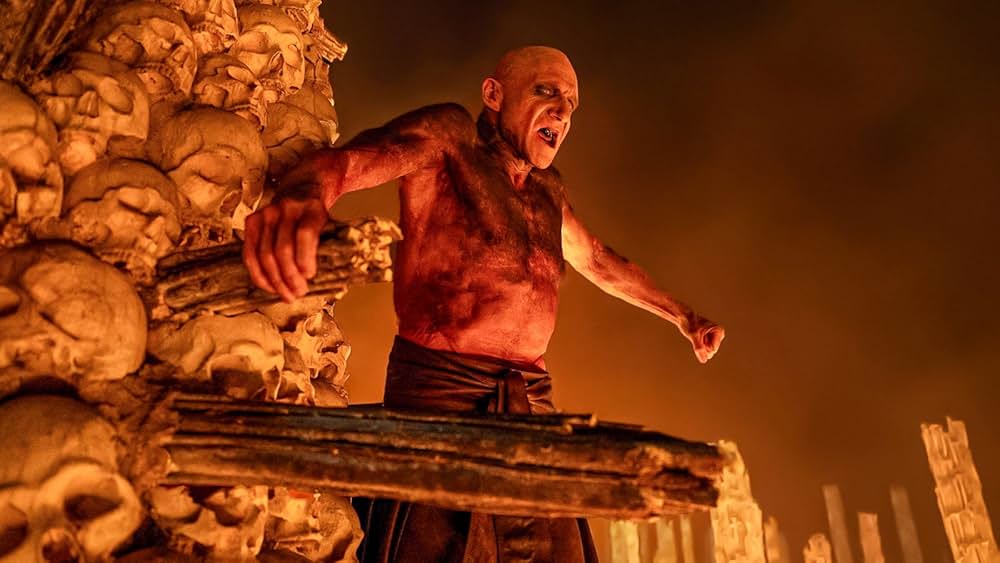
The MLK weekend showdown that never materialized
Industry tracking heading into the holiday suggested a genuine race for number one, with some analysts projecting that the latest infection‑plagued thriller could finally unseat Cameron’s Na’vi. That narrative evaporated once receipts came in, confirming that Avatar 3 comfortably stayed ahead while 28 Years Later: The Bone Temple settled into a distant runner‑up slot. The result turned what had been framed as a showdown into a reminder of how hard it is to topple a well‑liked blockbuster in its fifth frame.
Reports on the holiday corridor describe Avatar 3 as having held off challengers to Win MLK Box Office Weekend, even as new wide releases arrived. Among those challengers was Years Later: The Bone Temple, which entered the frame as the primary new horror option but still could not dislodge the reigning champion. Coverage of the weekend emphasizes that Avatar 3’s staying power, rather than any single misstep by its rivals, defined the final rankings.
Avatar: Fire and Ash extends its box office reign
By the time the holiday rolled around, Avatar: Fire and Ash was already deep into its run, yet the film continued to behave like a fresh release. Domestic estimates for the frame show the film adding another sturdy haul, a sign that word of mouth and repeat viewing are still driving traffic even after weeks in theaters. That kind of resilience is rare for a fifth weekend, especially in a marketplace that has seen more front‑loaded openings in recent years.
One box office breakdown notes that Avatar: Fire and Ash Remains No 1 in its Fifth Weekend, underscoring how the film has outlasted multiple waves of competition. Another update highlights that the film “apparently won’t be denied” a fifth straight win, pegging its domestic take at $17.2 m, or $17.2 million, across the frame. That figure, while down from its opening, is more than enough to stay ahead of a soft horror debut and keep the franchise in the cultural foreground.
Global momentum and the $1.3 billion milestone
Avatar 3’s domestic dominance is only part of the story. Internationally, Fire and Ash has continued to post strong numbers, turning the film into one of the year’s defining global hits. The combination of premium formats, repeat business, and a still‑robust overseas theatrical market has pushed the film into the upper tier of modern blockbusters.
Analysts tracking worldwide grosses report that James Cameron’s latest entry, referred to as Fire And Ash, added $57.8 million globally on its most recent session, with some coverage also rounding that figure as $57 million. Separate reporting notes that the film has now reached about $1.32 billion worldwide, cementing its status as one of the highest earners of the year. That global cushion gives the studio significant leeway domestically and makes any competition, including horror sequels, look modest by comparison.
28 Years Later: The Bone Temple’s soft $15 million start
Against that backdrop, 28 Years Later: The Bone Temple entered the MLK frame with the weight of a beloved horror brand on its shoulders. Instead of a breakout, the film delivered what analysts have described as a “soft” opening, landing around $15 million across the four‑day holiday. For a franchise that helped define modern infection horror, the number is more cautionary than catastrophic, but it falls short of the kind of launch that would signal a full‑fledged revival.
One weekend breakdown notes that Years Later: The Bone Temple earned $5.6 m, or $5.6 million, on Friday alone and was “looking to notch around $15 million” over the four‑day Mart holiday frame. Another report characterizes the film as having “stumbled” with a $15 million holiday debut while Avatar remained on top, framing the performance as underwhelming relative to pre‑release expectations. The result positions the film as a respectable but unspectacular entry that will now rely on legs rather than a front‑loaded surge.
What went wrong for the horror sequel?
The gap between expectations and reality for The Bone Temple has several potential explanations. The film arrived as the only major new wide release, which should have given it a clear runway, yet it still could not overcome the gravitational pull of Pandora. Some analysts have pointed to the long gap since the last installment and the crowded horror landscape on streaming as factors that may have diluted urgency for a theatrical trip.
Coverage of the weekend notes that 28 Years Later: The Bone Temple is “really the only” new wide opener in the frame, yet it still Opens Behind Avatar, which continued to post strong holds. Another analysis describes how UPDATED numbers confirmed that Years Later missed internal targets, leaving the studio to recalibrate its expectations for the film’s long‑term run. The combination of a dominant holdover, a holiday audience still gravitating toward four‑quadrant spectacle, and a horror sequel that may have appealed more to core fans than casual viewers all contributed to the softer‑than‑hoped launch.
Inside the film: creative team and franchise legacy
Part of the intrigue around The Bone Temple lies in its creative pedigree. The film is a 2026 post‑apocalyptic horror entry directed by Nia DaCosta, with a script from Alex Garland, two names that carry significant weight among genre fans. Their involvement signaled an attempt to blend the visceral infection horror of the original cycle with a more character‑driven, psychological edge, positioning the movie as both a continuation and a reinvention.
According to its official overview, Years Later: The Bone Temple is described as a post‑apocalyptic horror film that extends the franchise’s timeline and mythology. The project’s association with Nia and Alex Garland raised expectations that it could deliver both scares and thematic heft, while also potentially setting up further installments. That creative ambition, however, has so far outpaced its commercial footprint in the opening frame, leaving the film dependent on strong reviews and word of mouth to build momentum.
Marketing, awareness, and the power of a brand name
Marketing for The Bone Temple leaned heavily on the franchise’s legacy, evoking the original’s bleak imagery and infection‑driven chaos. Yet the long gap between entries meant that younger moviegoers may not have the same emotional connection to the brand as older fans. In contrast, Avatar has remained a constant presence in pop culture, with theme park attractions, merchandise, and the recent sequel cycle keeping Pandora in the public eye.
Search interest around 28 Years Later: The Bone Temple confirms that awareness spiked around release, but that does not always translate into immediate ticket sales, especially when a competing title offers a more family‑friendly spectacle. Meanwhile, Avatar’s brand recognition, bolstered by years of global exposure, allowed Fire and Ash to function as a default choice for audiences looking for a big‑screen event. The disparity illustrates how, in the current marketplace, a recognizable universe can be as important as any individual marketing beat.
Domestic versus global: different stakes for each film
For Avatar 3, the domestic MLK win is another data point in a much larger global story. With the film already past the $1 billion mark worldwide, each additional weekend on top is incremental rather than existential. The stakes are different for The Bone Temple, which needs a solid domestic foundation to justify its place in a revived franchise and to support its international rollout.
Reports on the global frame note that Fire And Ash topped the worldwide chart for a fifth straight session, adding tens of millions from markets across Europe, Asia, and Latin America, while The Bone Temple started with about $29 million globally from 53 territories, according to the same James Cameron‑focused breakdown. Domestically, another report emphasizes that Box Office tracking shows Years Later: the Bone Temple Opens Behind Avatar heading into Monday’s Martin Luther King Jr. holiday, reinforcing how the domestic hierarchy shaped the weekend narrative.
Audience response and the road ahead
Early audience reaction to The Bone Temple has been described as positive, with “strong reviews and audience reactions” cited in coverage of its debut. That reception could give the film a chance to stabilize in the coming weeks, especially as the calendar moves away from the holiday corridor and competition shifts. Horror titles have historically shown surprising legs when they connect with fans, even after modest openings.
The same report that details the film’s soft 15m MLK weekend also notes that the 28 Years Later franchise still carries significant goodwill. If that goodwill translates into steady weekday business and smaller weekend drops, The Bone Temple could yet carve out a respectable total, even if it never threatens Avatar’s towering numbers. For now, though, the story of the holiday frame is clear: Fire and Ash remains the box office force to beat, and any would‑be usurpers will have to plan their campaigns around its enduring pull.
More from Vinyl and Velvet:

Leave a Reply