

Some live rock albums feel like time capsules. Others feel like they might kick your speakers in. The three records here fall squarely in the second camp, documents of bands and artists so locked in that the performances still land with the same jolt decades later.
Each one captured a specific band at a peak moment, in a room that practically became another instrument. Crank them today and the crowd noise, the guitar tones, even the mistakes still sound urgent, not nostalgic.
Why these three live albums still feel dangerous
Plenty of live records are pleasant souvenirs. The ones that still feel dangerous do something tougher: they bottle a night when a band was playing for its life. Classic lists of the greatest concert recordings keep circling back to the same names, and it is no accident that live rankings routinely elevate The Who, The Allman Brothers Band and Peter Frampton to the top tier. These sets are not just greatest-hits packages, they are full‑contact collisions between musicians, songs and audiences that refuse to sit quietly in history.
Across these three albums, the common thread is escalation. Each artist stretches songs far beyond their studio shapes, whether it is a hard rock band turning a concept‑album suite into a bar‑fight, a Southern blues outfit pushing improvisations into jazz territory, or a melodic guitarist using arena sing‑alongs to launch a solo career. The result is a trio of records that still hit as hard as the day they dropped because they never sound safe, even now.
The Who – Live at Leeds
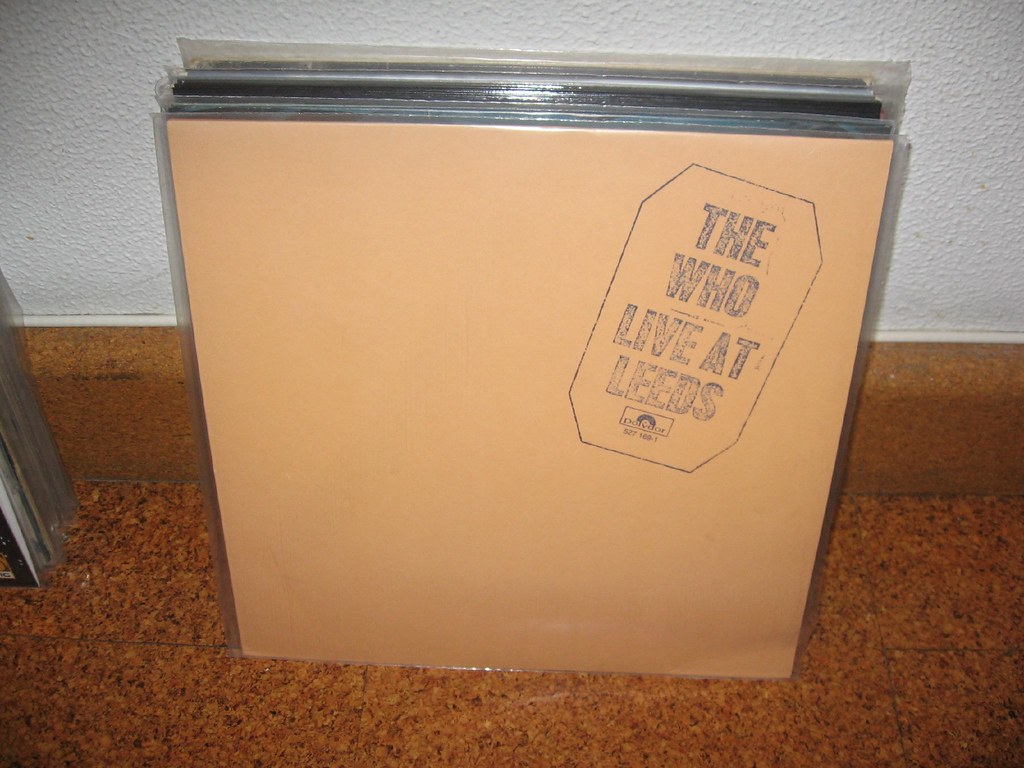
By the time The Who walked onstage for Live at Leeds, they had already proven they could build a rock opera. What this first live album by the English band did was prove they could also tear one to shreds. Recorded in Leeds, it strips away the ornate edges of Tommy and replaces them with a set that feels like a short, sharp shock, the sound of a group determined to be the loudest, most volatile rock act in the world.
From the moment Roger Daltrey bellows the opening lines of “I Can Explain,” the recording makes good on that threat. Contemporary listeners still talk about how different these hard rock arrangements were from Tommy and how they mirrored the band’s actual stage sound, with Who biographer Dave Marsh praising how completely the group abandoned polish for something raw and physical, as reflected in fan discussions of Tommy and its live reinvention.
That rawness is exactly why the album still feels so alive. Critics have repeatedly singled out Live at Leeds as not just a career high point but one of the best concert documents ever released, with retrospectives calling it the moment the band proved it was the ultimate rock ’n’ roll unit to see in person, a verdict echoed in detailed album reviews. Over time, that reputation has only solidified, with later commentary noting that, since its release, Live at Leeds has been repeatedly ranked as the best live rock recording of all time and used as Exhibit A in arguments that The Who were among the best live rock acts in the world.
The Allman Brothers Band – At Fillmore East
If Live at Leeds is a punch in the jaw, The Allman Brothers Band’s At Fillmore East is a slow burn that never stops building. Recorded at The Fillmore East in New York, this first live album by the American group catches the Allman Brothers Band at a moment when their blend of blues, jazz and rock was stretching into something new. Earlier studio work had already set the stage for Southern rock’s rise, with the self‑titled debut praised for how “Whipping Pos” showcased the groundbreaking guitar partnership of Duane Allman and Dickey Betts, a point underlined in analyses of that Southern breakthrough.
On At Fillmore East, that chemistry explodes in real time. The performances stretch songs into extended, exploratory jamming that still feels risky, with one assessment describing how The Allman Brothers Band used the historic room to let Southern blues themes evolve through long improvisations that function as spontaneous musical conversations, as detailed in coverage of the Southern group’s live legacy. Fans and critics still talk about how this 1971 set became a pinnacle of the band’s career and artistic vision, with later profiles noting that, for some listeners, The Allman Brothers never topped the double‑disc At Fillmore East.
The album’s staying power shows up in how often it is still recommended as essential listening. In one widely shared fan thread, people single out The Allman Brothers Band Live at Fillmore East as the quintessential live rock album, calling it “groundbreakin” for its time but still vital for today’s ears, a sentiment captured in praise for Allman Brothers Band. More recent write‑ups describe how The Allman Brothers Band at the Fillmore East in 1971 stands as a document of the group in all their glory, with The Allmans bringing a perpetual swing sensation and the unpredictable beauty of improvisation to every track, as detailed in reflections on The Fillmore shows.
That reputation has only grown as more archival material has surfaced. Commentators still point to At Fillmore East as a gold standard for live musicianship, with one survey of concert recordings noting that The Allman Brothers Band at At Fillmore East captured the group’s improvisational brilliance and set a benchmark for others to chase. Another overview of classic live sets that make listeners feel like part of the show highlights how At Fillmore East gave fans a concert for the ages, emphasizing how At Fillmore East pulls the audience into the room. Even decades later, new releases from the vault, such as Live From A&R Recording in New York, keep underlining how deep the band’s live archive runs, with reports noting that With the vintage Live From session out, more material from The Allman Brothers Band is still emerging.
Part of what keeps At Fillmore East so immediate is how it balances structure and freedom. One detailed look at the record notes that At Fillmore East, recorded at Fillmore East in 1971, captured performances that became a template for jam‑leaning rock bands. Product notes on the vinyl release underline that At Fillmore East is the first live album by the American Allman Brothers Band, Produced as their third overall release, and that context helps explain why it feels like a band stepping fully into its identity. A separate listing for the same record reinforces that At Fillmore East by the American Allman Brothers Band has become a touchstone for collectors, another sign of how its impact has lasted.
Peter Frampton – Frampton Comes Alive!
Where The Who and The Allman Brothers Band were already fearsome live acts, Peter Frampton used a concert album to become one. Peter Frampton While Peter Frampton spent his teenage years moving through bands, he truly broke through when he turned his 1976 work Frampton Comes Alive! into a phenomenon, a career arc traced in profiles of Peter Frampton While. The record did not just document a tour, it rewrote what a live rock album could do commercially and culturally.
Upon its release, Frampton Comes Alive was described as a unique and groundbreaking phenomenon. Despite being a mid‑priced double LP, it sold at a level that surprised the industry, a detail preserved in product notes that stress how, Upon its release, Frampton Comes Alive defied expectations and, Despite the pricing, moved massive numbers. Later retrospectives add that Frampton Comes Alive was Issued at the dawn of the disco and punk movements, which meant it had to cut through a crowded cultural moment, something Peter Frampton himself has reflected on in interviews about how Frampton Comes Alive changed his life.
More from Vinyl and Velvet:

Leave a Reply