

Scotty Beckett entered Hollywood as the cherubic scene-stealer in the Our Gang comedies, a child so naturally appealing that studios quickly built stories around his smile. His later years, marked by addiction, arrests, and a mysterious death at just 38, turned that early promise into one of classic Hollywood’s starkest cautionary tales. His trajectory from adored kid star to troubled adult actor still resonates as a study in how fame can magnify both opportunity and vulnerability.
Tracing Beckett’s life from Oakland childhood to studio soundstages, then through the wreckage of his final decade, reveals a pattern that has repeated for generations of young performers. The same industry that celebrated his talent as a boy struggled, and often failed, to support him once the spotlight shifted and the roles grew scarce.
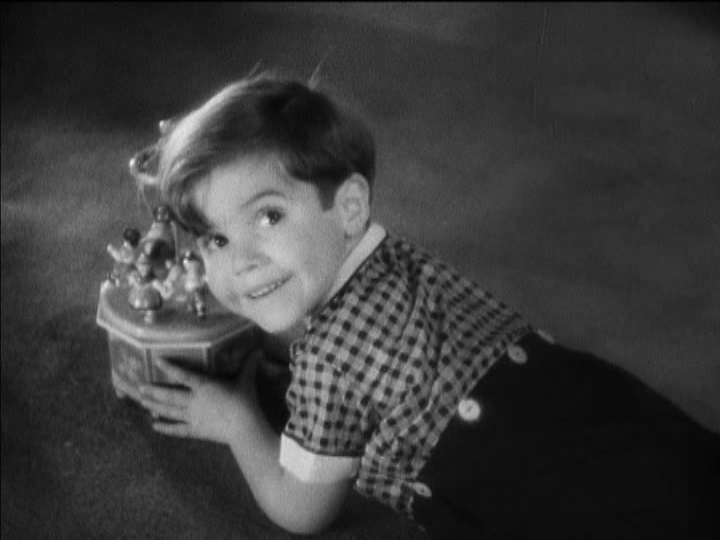
The Oakland boy who stole Our Gang
Scott Hastings “Scotty” Beckett was born in Oakland, California, USA, and by the time he was three he was already working in front of the camera. He joined the Our Gang unit, also known as The Little Ras, and quickly became one of the most recognizable faces in the shorts, playing the sweet, earnest kid who could match the older children beat for beat. Over a two year span he appeared in 15 Our Gang shorts, including fan favorites like Hi Neighbor, Mike Fright, and The Lucky Corner, a run that cemented him as one of the cutest and most successful child actors of the 1930s.
Those early comedies were not just a novelty act for a precocious toddler, they were the foundation of a serious screen career. As part of Our Gang, Beckett learned to hit marks, deliver lines, and react naturally to chaos around him, skills that would later help him transition into more polished studio productions. His work in those shorts, remembered by archivists and fans who catalog titles such as Hi Neighbor, Mike Fright, and The Lucky Corner, gave him a reputation as a reliable young performer long before he reached his teens.
From Our Gang standout to serious Hollywood player
After his Our Gang tenure ended, Beckett did something many child stars never manage, he moved into increasingly prominent roles in major Hollywood films. Studios saw that the same open, expressive face that worked in two-reel comedies could also carry emotional weight in features, and he began appearing opposite established stars in prestige projects. His career in Hollywood broadened as he took on supporting parts that required more than just cuteness, playing younger versions of leading men and holding his own in scenes with performers like Cary Grant and Irene Dunne.
That transition was not accidental, it reflected both Beckett’s ambition and the industry’s hunger for bankable young talent. After attending Los Angeles High School and trying live theater, he signed with MGM in 1947, a move that placed him inside the most powerful studio system of the era. He also enrolled at the University of South California in an effort to balance education with work, a detail preserved in accounts that track how, after Los Angeles High School and stage work, he joined MGM and pursued university studies even as his filmography expanded.
Part of the young Hollywood set
As Beckett moved into his late teens and twenties, he became part of the young Hollywood social circle that orbited studio lots and Sunset Strip nightspots. Accounts describe him as a fixture at parties, someone who enjoyed the access and attention that came with being a familiar face on screen. His nightlife, according to those who watched his trajectory, began to take priority over the careful career-building that had defined his earlier years, a shift that foreshadowed the turbulence ahead.
Within that scene, Beckett was not alone, he and fellow former child actor Dickie Moore were often mentioned together as examples of how early fame could complicate adulthood. Observers later noted that Beckett had a sad life, pointing to the way some child stars endured horrendous personal lives and effectively lost their childhoods to the demands of the business. Remembrances that recall how Scotty and Spanky were a wonderful pair on the screen also underline the contrast between the joy of those performances and the pain that followed, a contrast captured in reflections on how Beckett and his peers navigated that world.
Early warning signs and a mounting arrest record
By the late 1940s, the cracks in Beckett’s public image were becoming visible. He was arrested for drunk driving in 1948, an incident that marked the beginning of a long series of legal problems tied to alcohol and later drugs. That first arrest did not immediately end his career, but it signaled a shift from wholesome child star to troubled young man, and it coincided with a broader descent into alcoholism that would shadow his work and relationships for the rest of his life.
Over the following years, Beckett’s brushes with the law multiplied, including another drunk driving arrest and other alcohol related offenses that kept his name in police blotters as often as in casting announcements. Commentators looking back on his life describe a descent into a life of alcoholism and crime that contrasted sharply with his earlier reputation as one of the cutest, most successful child actors of his era. Biographical sketches that summarize how Scotty Beckett went from beloved child performer to repeat offender underscore how quickly fame can curdle when addiction takes hold.
Marriage, violence, and a devastating accident
Beckett’s personal life grew more chaotic as his drinking worsened. He married professional tennis player Beverly Baker in 1949, and the relationship, like his career, was strained by his substance abuse and legal troubles. Later, in April of 1959, he was involved in a violent incident with his then wife Susan, who was moving her belongings out when he tried to stop her. During the confrontation he hit Susan over the head with a crutch that he now used after his health had declined, an assault that landed him back in headlines and illustrated how his private turmoil had turned dangerous.
That crutch was itself a symbol of another turning point. Actor Jimmy Lydon later claimed that an accident left Beckett severely disabled, forcing him to utilize a wheelchair and crutches for the remainder of his life. Lydon also claimed that the accident occurred while Beckett was driving in West Los Angeles, a detail that, if accurate, suggests his mobility issues were tied to the same reckless behavior that had already led to multiple arrests. The account of that crash, preserved in a remembrance of Scott Hastings “Scotty” Beckett that notes he died at 38 and that Lydon also claimed he needed a wheelchair and crutches after driving in West Los Angeles, adds another layer of tragedy to his story.
In the early 1960s, Beckett tried again to build a stable home life. In 1961 he married Margaret Sabo, a union that came as he was already deep in his drinking. The following year, in the depths of that addiction, he attempted to kill himself, a desperate act that underscored how far he had fallen from the confident child who once lit up studio sets. Accounts that detail how Beckett married Margaret Sabo and then attempted suicide the following year present a portrait of a man overwhelmed by the consequences of his own choices and the pressures of a career that had stalled.
Trying to walk away from Hollywood
As acting opportunities dried up, Beckett made several attempts to reinvent himself outside the entertainment industry. After leaving the screen, he sold real estate and cars, jobs that offered a steadier income but none of the adulation he had known as a child. He twice enrolled at universities with the apparent goal of building a new professional identity, but each time his struggles with alcohol and the pull of his old life disrupted those plans, leaving him caught between the world he knew and the one he hoped to enter.
Those efforts to start over were complicated by the fact that he remained a recognizable face, especially to fans of the Our Gang shorts and the science fiction series Rocky Jones, Space Ranger, where he played a key supporting role. Biographical notes describe how Scotty Beckett, born in 1929 and dead by 1968, began his film career at the age of three as one of Our Gang, also known as The Little Ras, and later died of what has been described as a drug or alcohol overdose. Other summaries of his post acting life explain that after leaving the entertainment industry Beckett sold real estate and cars and twice enrolled at universities, only to be hospitalized after a heavy drinking binge, details that appear in accounts of his post acting years and in profiles that note how Scotty Beckett ultimately succumbed to addiction.
A mysterious death at 38 and a lingering legacy
By the time Beckett reached his late thirties, his body and career had been battered by years of substance abuse and physical trauma. He died in Los Angeles at the age of 38, with reports describing the cause as an overdose of barbiturates and alcohol, though some details remain disputed. One biographical account notes that on May 8, 1968, he was found unconscious and later died in hospital, with the official cause listed as an overdose, while other retrospectives emphasize that the exact circumstances of his final hours are still unclear. The fact that he was only 38 when he died, a figure repeated in memorials that recall how Scott Hastings “Scotty” Beckett died 57 years ago at that age, underscores how abruptly his life ended.
More from Vinyl and Velvet:

Leave a Reply