

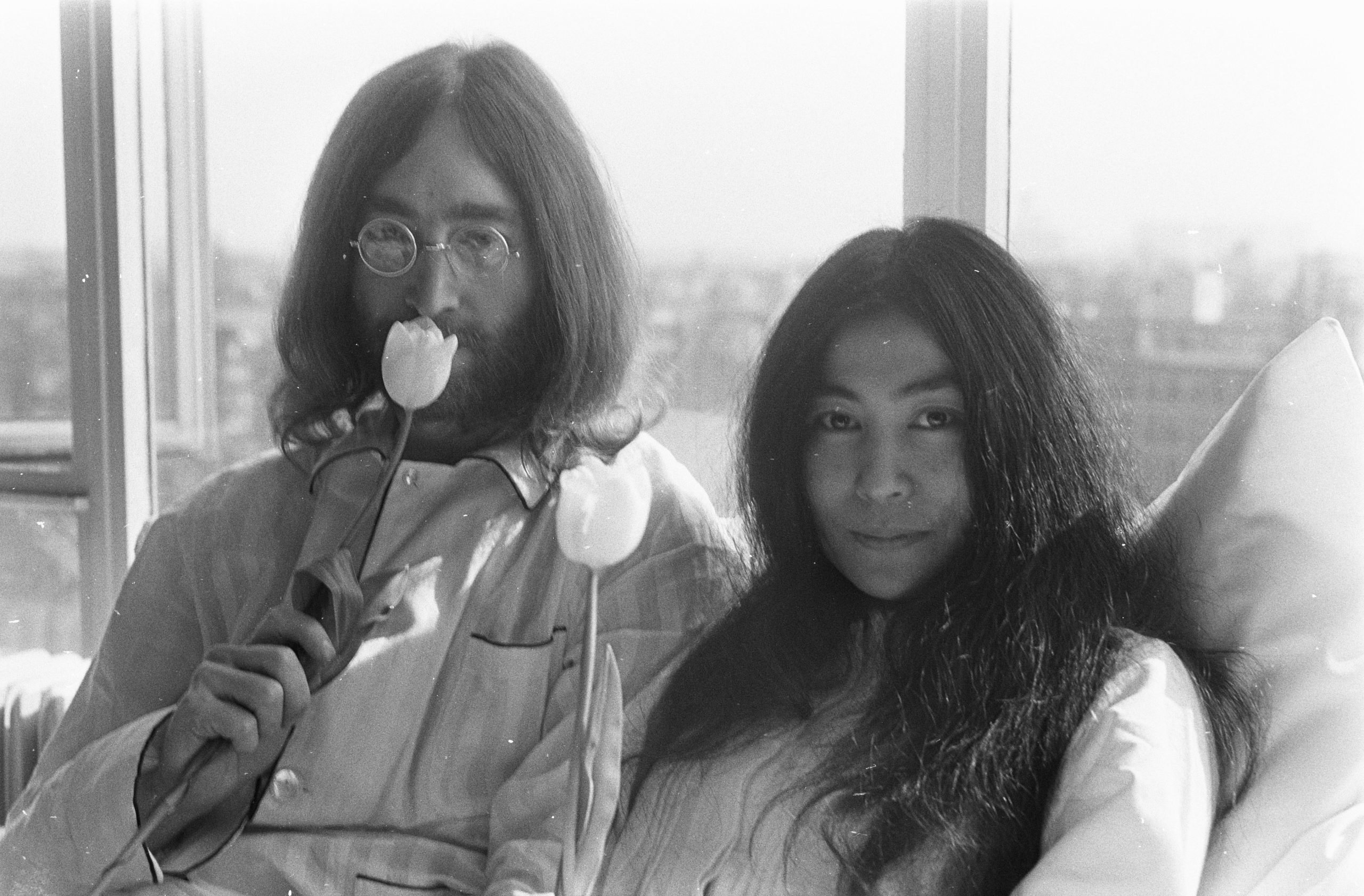
The ’70s were a wild time, weren’t they? The music was groovy, the fashion was bold, and celebrities were known for speaking their minds—sometimes a bit too freely. Fast-forward to today, and we live in a world that’s a lot less forgiving. What was once considered edgy or just plain funny can now end a career faster than you can say “cancel culture.” Let’s take a look at three infamous quotes from that vibrant decade that would likely land a modern celebrity in hot water.
1. John Lennon: “We’re more popular than Jesus now.”
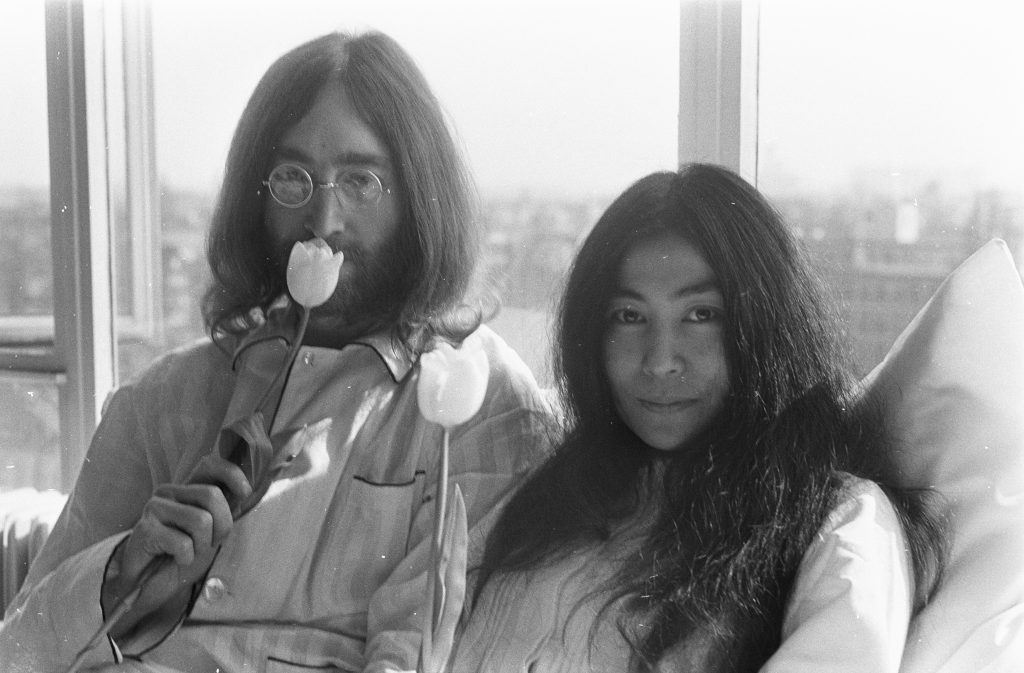
<pAh, John Lennon—icon, visionary, and master of controversial statements. In 1966, he famously declared, “We’re more popular than Jesus now,” which caused quite the uproar. While this was technically a ’60s quote, it echoed into the ’70s and beyond, as Lennon found himself on the receiving end of a torrent of backlash. Imagine a pop star today saying something like that! You’d probably see trending hashtags like #NotMyIdol and #Unfollow.
In today’s climate, that statement would be scrutinized for its perceived arrogance and insensitivity to religious beliefs. It’s fascinating to think about how the context of fame has changed. Back then, you could stir the pot and still sell out stadiums; today, a comment like that could mean a swift exit from the music scene. While we can appreciate Lennon’s artistic boldness, it’s a reminder that sometimes, less is more—especially when it comes to religion.
2. Richard Pryor: “I can’t do a show without saying n****r.”
Richard Pryor was a trailblazer in stand-up comedy, pushing boundaries and exposing societal norms with a raw honesty that was both shocking and enlightening. One of his infamous quotes from the ’70s is, “I can’t do a show without saying n****r.” Now, let’s be clear—Pryor was using his platform to address racial issues, and his intent was to provoke thought, not just laughter. But today, such a statement would likely lead to widespread outrage and calls for accountability.
In the current landscape, comedians are walking a tightrope. Many have found themselves in hot water for their choice of words, even when attempting to shine a light on serious issues. It’s a tricky balance; what’s meant to be provocative can easily be misconstrued as offensive. While Pryor’s intention was to challenge and engage, you’ve got to wonder how a modern comic would navigate such a minefield today. Would they even dare to tread there?
3. Joan Rivers: “I’m a Jewish American Princess, and I don’t care what you call me.”
Joan Rivers was the queen of comedy, known for her sharp tongue and even sharper wit. Her quote, “I’m a Jewish American Princess, and I don’t care what you call me,” encapsulates her brash, unapologetic style. Rivers didn’t shy away from her identity; instead, she embraced it with humor and flair. However, in today’s world, self-deprecating humor that touches on ethnicity could strike the wrong chord.
In an age where sensitivity to cultural appropriation and representation is at the forefront, a statement like Rivers’ might not land as intended. It’s one thing to reclaim a term within your own community; it’s another to risk alienating those who might take offense. Rivers was a master at pushing boundaries, but today, many would argue that the line between humor and insensitivity is thinner than ever. It makes you wonder—how would the comedic landscape shift if Joan were navigating the current climate?
The Changing Landscape of Celebrity Speech
These quotes are a snapshot of a time when celebrities could get away with saying things that might seem outrageous today. It’s not just about the words; it’s about the context, the audience, and how society’s values have evolved. Back then, the shock factor often led to an increase in popularity, but now, that same shock could lead to a swift backlash. It’s a fascinating evolution, really.
So, what does this mean for today’s celebrities? They have to be mindful of their words, often opting for a more polished approach to public speaking. While some might see this as a loss of authenticity, others argue it’s a necessary evolution. After all, we’re all learning and growing, right? The key is to find that sweet spot between being true to oneself and being aware of the impact words can have.
More from Vinyl and Velvet:

Leave a Reply