

The ‘70s was a wild time for music. The air was thick with creativity, and artists were exploring new sounds and styles like kids in a candy store. But while some albums became legendary for their groundbreaking tunes, others went down in history for their extravagant budgets. You might say they were the musical equivalent of that one friend who insists on ordering the lobster at every dinner. Here are three albums from the ‘70s that almost sent their creators into bankruptcy due to their eye-watering production costs.
1. Fleetwood Mac – “Tusk”
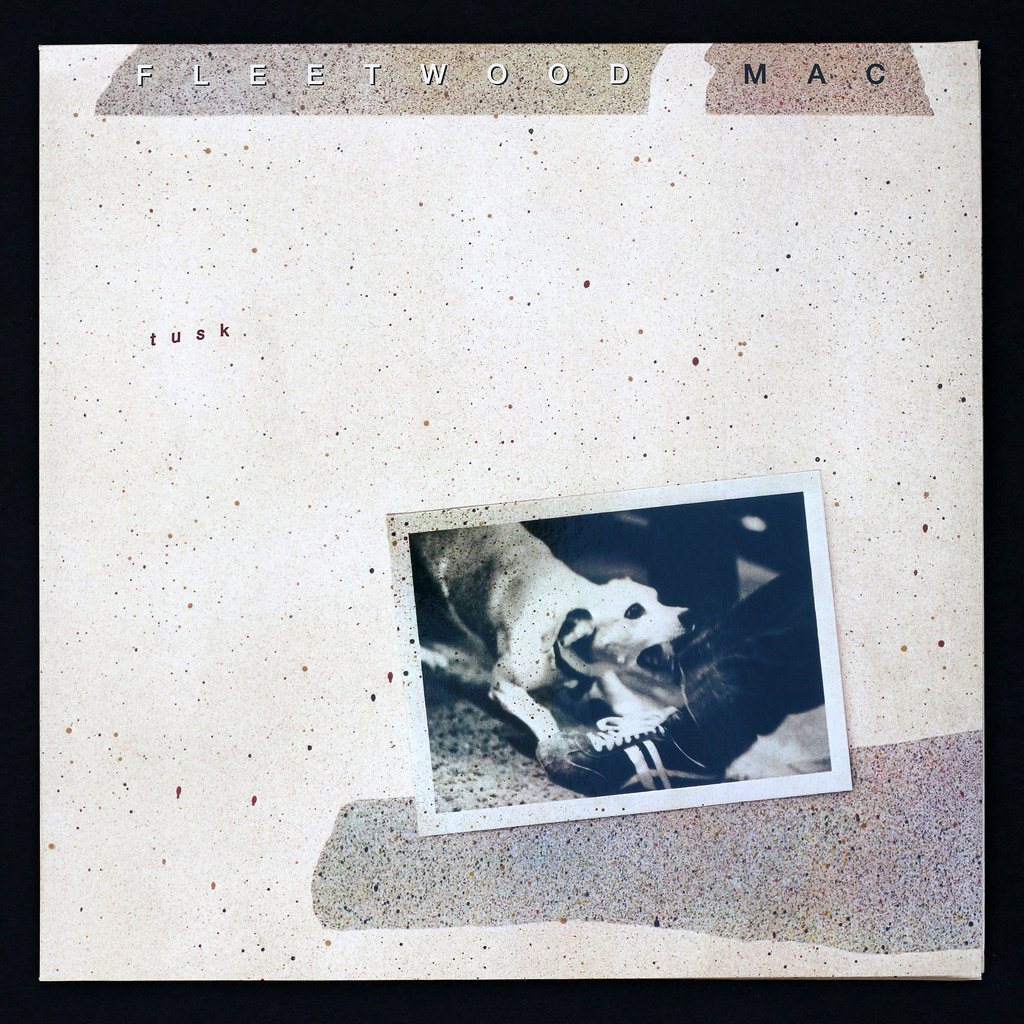
When Fleetwood Mac released “Tusk” in 1979, they were riding high on the success of the mega-hit “Rumours.” However, they decided to take a different route with this project, opting for an experimental sound that included everything from marching bands to unconventional instrumentations. And guess what? That adventurous spirit came with a hefty price tag—around $1.5 million, which is roughly $5 million today when adjusted for inflation. Talk about a risky move!
The band was known for its internal drama, and “Tusk” only amplified it. While they spent countless hours in the studio, tensions flared, and members found themselves at odds over creative directions. The album sold well, but not nearly enough to cover its lavish production costs. Some critics hailed it as a masterpiece, while others thought it was a bit pretentious. Either way, it’s a classic case of “let’s put our finances on the line for art.”
2. The Beach Boys – “Smile”
Ah, “Smile.” The album that never quite was, yet it remains one of the most infamous stories in music history. Initially conceived in the mid-‘60s, it was supposed to follow up the critically acclaimed “Pet Sounds.” Brian Wilson, the band’s creative genius, aimed to create a “teenage symphony to God.” Sounds ambitious, right? Well, that ambition came with a price, reportedly around $100,000 back in the day—equivalent to about $800,000 now!
The project faced countless delays, and as Wilson became increasingly isolated, the costs spiraled out of control. The Beach Boys eventually scrapped the album, and the band’s finances took a nosedive. While “Smile” was eventually released decades later, the original version is like a ghost that haunts the band’s legacy—and their wallets. It’s a reminder that sometimes, the most ambitious projects can lead to financial disaster.
3. Pink Floyd – “The Wall”
Now, let’s not forget about “The Wall.” Pink Floyd’s rock opera is iconic, but so was the budget. Released in 1979, the album was a monumental undertaking that cost around $1.5 million to produce—again, that’s about $5 million today. As you can imagine, the tension was palpable during the recording sessions. Roger Waters, the band’s bassist and primary songwriter, had a vision that pushed the band to its limits.
The elaborate staging for the subsequent tour added another layer of financial strain. They went all-out with props, effects, and a massive wall that they literally built during performances. It was an artistic triumph but a financial headache. The album became a huge commercial success, but for a while, it felt like they were walking a tightrope between genius and financial ruin.
Why Do Artists Take Such Risks?
You might be wondering, why would artists risk so much on these extravagant projects? It’s a combination of passion, vision, and sometimes a little bit of madness. The ‘70s was a time when the music industry was evolving, and artists wanted to push boundaries and create a legacy. But as we’ve seen, that creativity doesn’t always come cheap.
In a world where streaming dominates and budgets are often tighter than a pair of skinny jeans, it’s hard to imagine artists going all-in like they did back then. Yet, there’s something undeniably romantic about the idea of pouring your heart, soul, and wallet into a project. It’s a gamble, but for some, that’s what makes the music journey so thrilling.
Wrapping Up
The ‘70s gave us some of the most memorable music of all time, but it also served as a cautionary tale about the fine line between artistic ambition and financial stability.
More from Vinyl and Velvet:

Leave a Reply