

Classic rock fans rarely agree on what the genre’s most famous songs are really about, and that friction keeps the music alive. These three tracks are all enshrined among the Top 100 Classic Rock Songs, yet their lyrics still trigger arguments over spirituality, excess, and personal confession decades after release.
1) Stairway to Heaven by Led Zeppelin
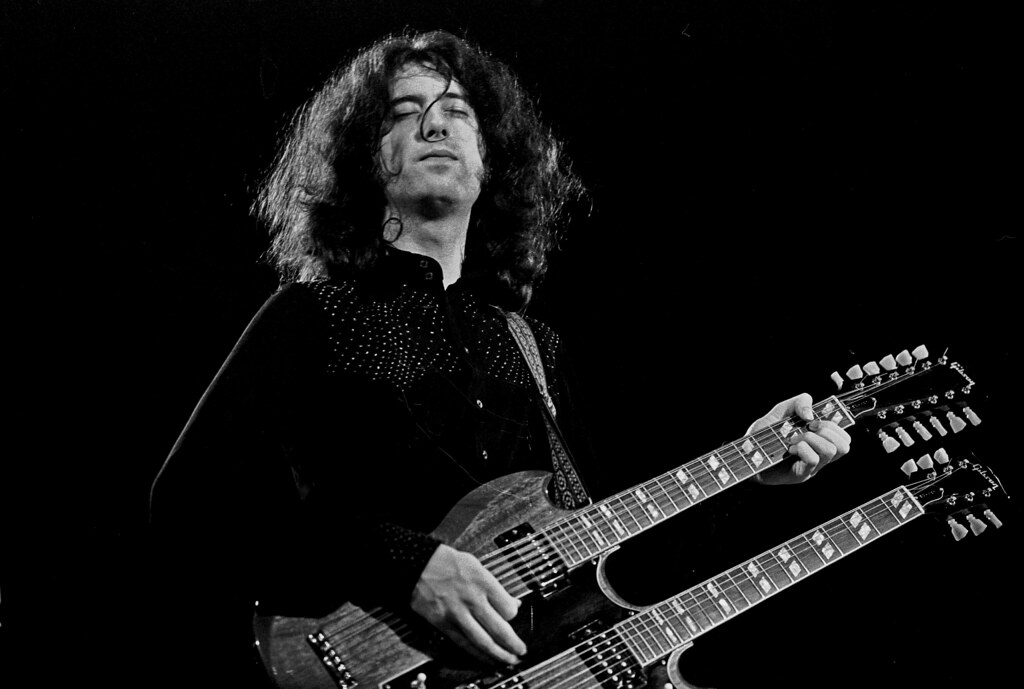
Led Zeppelin’s “Stairway to Heaven” is firmly placed in the Top 100, confirming its status as a classic that listeners never stop dissecting. The song’s title and imagery have been linked to spiritual quests, with critics tying “Stairway,” “Heaven,” and the “Spiritual Roots of Rock n’ Roll” in discussions of how rock borrowed religious and mystical language from New York counterculture texts. Academic work on Stairway, Heaven and The Eagles even situates the track alongside Eastern mysticism, suggesting its symbolism reaches beyond straightforward folk storytelling.
At the same time, “Stairway to Heaven” is notorious for claims of satanic backmasking when the recording is played in reverse, a controversy that helped cement its aura of hidden meaning. References to “Stairway,” “Heaven,” and “Kashmir” in industry catalogues such as His catalog show how publishers continue to market the song as a cornerstone of rock repertoire. For fans and scholars, the stakes lie in whether the track represents a sincere spiritual journey or a playful collage of esoteric references that listeners project their own beliefs onto.
2) Hotel California by the Eagles
The Eagles’ “Hotel California” also appears in the Hotel California era of classic albums whose popularity has barely faded, reinforcing its place among the Top 100 Classic Rock Songs. Scholars analyzing recorded space mention “Hotel California” alongside Led Zeppelin’s “Stairway to Heaven,” noting how both tracks use studio ambience to evoke vast, almost otherworldly settings. That sonic design feeds interpretations that the hotel is a literal supernatural trap, a cult compound, or a haunted refuge from the outside world.
Lyrically, “Hotel California” has been read as a portrait of the dark side of the 1970s rock lifestyle, with the Eagles critiquing hedonism that feels impossible to escape. Industry references that list “Hotel California” by the Eagles next to other staples of rock, such as “Should I Stay or Should I Go,” underscore how central the song is to the canon. For listeners, the unresolved question is whether the narrator is battling addiction, fame, or something metaphysical, a debate that keeps the track culturally relevant.
3) Bohemian Rhapsody by Queen
Queen’s “Bohemian Rhapsody” is another fixture in the Top 100, celebrated for its operatic structure and abrupt shifts in style. Unlike “Stairway to Heaven” or “Hotel California,” it offers no clear narrative anchor, jumping from a piano ballad to mock opera to hard rock. That structural chaos has encouraged readings that the song is a coded confession, a surreal fantasy, or simply a virtuoso exercise in studio experimentation with no fixed storyline.
Debate often centers on whether Freddie Mercury embedded veiled references to his personal life and sexuality in the lyrics, particularly in the guilt and judgment of the operatic middle section. Others argue that the rapid-fire names and phrases are closer to theatrical nonsense, designed for sound and drama rather than literal meaning. The stakes for fans and biographers are significant, because choosing one interpretation can turn “Bohemian Rhapsody” into either an intimate self-portrait or a statement that rock can embrace pure, unbounded absurdity.
More from Vinyl and Velvet:

Leave a Reply