

Hollywood loves a comeback story, but some of its most familiar faces never get one. Few tales hit harder than that of Bela Lugosi, the Hungary-native who turned Dracula into a pop culture blueprint, then spent his final decades wrestling with addiction, dwindling roles, and mounting debts. By the time he died, the man who once defined horror on the big screen was reportedly almost broke and largely alone, his legacy far richer than his bank account.
His story is not just about a star who lost his fortune. It is about how a 20-year battle with drugs, typecasting, and a changing industry can grind down even the most recognizable name in Hollywood, leaving behind a cautionary tale that still feels painfully current.
The rise of a horror icon and the slow fade from the spotlight
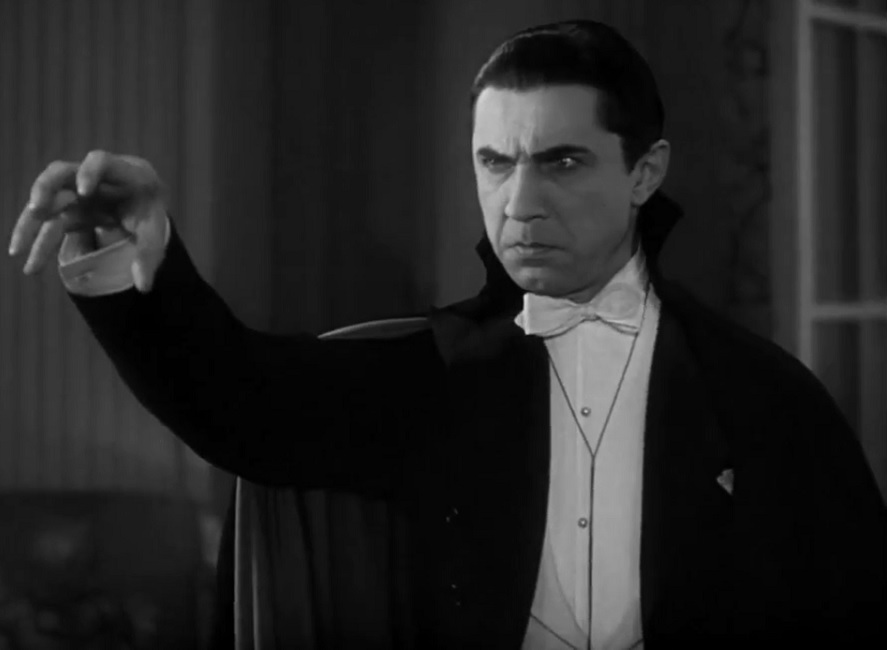
Bela Lugosi did not stroll into early Hollywood as an overnight sensation. He arrived as a trained stage actor from Europe, a Hungary-native who had already built a serious theater résumé before he ever sank his teeth into a cape. In the United States, he became a sensation by embodying Dracula with a mix of elegance and menace that audiences had never seen, turning his accent, posture, and stare into a brand that studios eagerly leaned on as they built out the horror genre. At his peak, Lugosi was a marquee name, the kind of star whose presence alone could sell a film and whose image would define vampires for generations.
That success, though, came with a trap. The more he nailed the role, the harder it became to escape it, and the industry’s appetite for different types of acting parts did not always include him. As horror trends shifted and younger faces emerged, Lugosi found himself boxed in by the very character that made him famous, a reality reflected in later accounts of his career that describe how Hollywood star Bela struggled to secure varied work. The man who once stood at the center of studio horror cycles was increasingly pushed to the edges, taking smaller roles and lower paychecks while trying to hold on to the lifestyle that early fame had made possible.
Two decades of addiction, heartbreak, and financial free fall
As the roles dried up, Lugosi’s private battles grew more intense. Reports on his later life describe a 20-year struggle with drug addiction that overlapped with his professional decline, turning what might have been a manageable career slowdown into a full-blown personal crisis. Morphine and other substances became part of his routine, a dependence that eroded his health and made it even harder to convince studios he was reliable. Friends and colleagues watched a once-commanding presence become frailer and more desperate, his trademark intensity dulled by years of chemical escape.
The emotional toll was just as heavy. Accounts of his final years talk about a man marked by struggle and heartbreak, someone who knew exactly how far he had fallen from the heights of his Dracula fame. Later retrospectives describe how Lugosi’s final years were shaped by failed relationships, health scares, and a constant scramble for work that would never quite restore his standing. Addiction treatment in that era was limited and often stigmatized, and while Lugosi did seek help, the damage from two decades of dependency was already written into his finances, his reputation, and his body.
From cult status to near destitution, and how Hollywood repeats itself
By the end, the man who had once been a studio asset was living more like a cautionary footnote. Reports on his estate describe a star who died with little money left, his earnings long since drained by medical costs, addiction, and years of inconsistent work. The gap between his cultural impact and his bank balance could not have been wider. Even as Dracula merchandise, late-night TV reruns, and horror conventions kept his image alive, Lugosi himself was left with few resources, a stark example of how Hollywood can profit from a persona long after the person behind it has been discarded.
The pattern is not unique to him. Other performers have followed similarly brutal arcs, walking away from the business or being pushed out, then discovering that fame does not translate into long-term security. One widely cited case involves a Hollywood star who quit show business to work in a bar and later died penniless of hepatitis in 1973, a story that has resurfaced in part because Megyn Kelly once called this beloved celeb the “meanest” she had ever met, a detail highlighted in coverage of Megyn Kelly and her comments. Lugosi’s story sits in that same lineage, a reminder that the industry’s glare can be blinding on the way up and unforgiving on the way down.
What makes Lugosi’s fate especially haunting is how preventable parts of it now look. Better support for addiction, smarter financial planning, and a more flexible casting culture might have given him a softer landing. Instead, the Hungary-native who once embodied the power of early Hollywood horror spent his last years fighting for dignity as much as for work. His legacy still looms large every Halloween and in every modern vampire story, but the real man behind the myth is a stark reminder that celebrity can be both a spotlight and a trap, especially when addiction is quietly running the show.
More from Vinyl and Velvet:

Leave a Reply