

If someone was a kid in 1976, the songs from that year are probably wired straight into their memory, from car‑radio singalongs to the music that played while they sprawled on the living‑room carpet. Nostalgia hits hardest when a track instantly drops a listener back into that world of cereal commercials, school crushes, and summer bike rides. With that in mind, here are a few touchstone releases and collections that still feel like the soundtrack to being young in 1976.
1) Top Nostalgic Tracks from 1976 Childhood
The feature on 3 nostalgic songs zeroes in on how a tiny handful of radio staples can unlock a whole year of childhood memories. It treats those cuts as essential earworms, the kind that kids heard in the back seat while their parents drove a Ford LTD or a Chevrolet Nova, and then hummed on the playground without even knowing the artists’ names. By focusing on only three tracks, the piece leans into the idea that a few songs can stand in for an entire emotional landscape, from school dances to family barbecues, and that scarcity makes each pick feel weightier for anyone who grew up then.
That same instinct to test memory shows up in a video about 3 Nostalgic Songs will remember if you were a kid in 1970, which invites viewers to play along and see what still sticks. The clip is framed around the phrase “Remember” and “You Were” a “Kid,” and it comes from the channel tied to American Songwriter, which literally asks people to “Subscribe” as they chase that rush of recognition. Together, these projects underline a broader trend: nostalgia content is not just about old music, it is about giving listeners a low‑stakes way to measure how much of their own past they can still call up on cue.
2) Dave Edmunds’ Hit Singles Collection
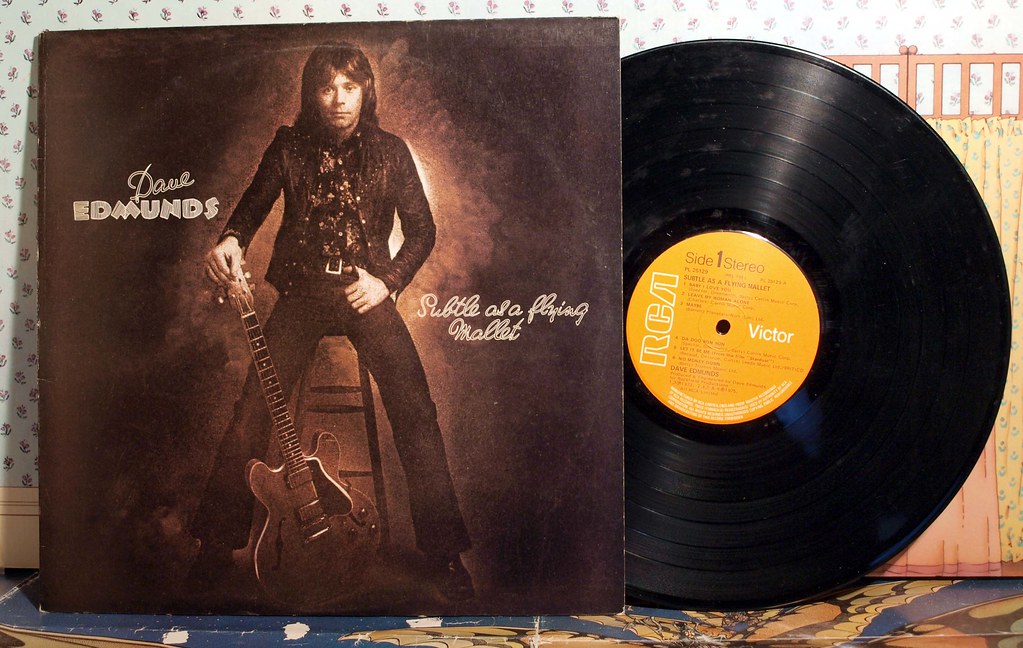
The compilation reviewed as a set of singles from 1976 through 1981 presents Dave Edmunds as a bridge between rockabilly roots and late‑seventies radio rock, starting right in the mid‑seventies sweet spot. The write‑up on his collection of tracks, gathered under the banner of Swan Songs, treats those years as a coherent run, where sharp guitar lines and tight arrangements kept his sound both retro and current. For listeners who were kids in 1976, those singles would have floated around the dial, half‑understood at the time, then later rediscovered as part of a more grown‑up appreciation for roots‑driven rock.
Looking back now, that kind of curated singles set matters because it shows how a working musician navigated the shift from the mid‑seventies into the early eighties without losing his identity. The review frames the 1976 starting point as more than a date stamp, it is the moment when Edmunds’ style locked into a groove that could survive changing fashions. For fans who came of age with those songs in the background, hearing them sequenced together turns scattered memories of jukeboxes and AM radio into a clearer story about how one artist threaded nostalgia, craft, and commercial appeal.
3) Definitive 1976 Music Compilation
The release of NOW Yearbook 1976 packages that entire year’s pop landscape into a single, heavyweight compilation, treating 1976 as a self‑contained era. It pulls together chart‑toppers and cult favorites so that someone who was a kid then can drop the set on and feel like they are spinning a time capsule. The idea is simple but powerful: instead of chasing scattered playlists, listeners get a curated sweep of what actually filled the airwaves, from disco and soft rock to novelty tracks that might have soundtracked school assemblies or roller‑rink nights.
That approach has even been extended with a follow‑on release titled NOW, Yearbook, Extra, described as part of a series of compilation CDs in the United Kingdom issued by Sony Music and EMI, which digs deeper into the same period. Together, the core Yearbook and its Extra counterpart show how labels are betting that people want a structured way to revisit their youth, not just random nostalgia. In the same spirit, video projects like Nostalgic You and social clips branded as Nostalgic Songs From keep turning old hits into shared experiences, proving that the pull of 1976 is as much about community as it is about any single song.
More from Vinyl and Velvet:

Leave a Reply