

Lydia Plath is pulling back the curtain on one of the darkest chapters of her life, describing how she watched her 17‑month‑old brother die when she was just 4 years old. The Welcome to Plathville star is finally putting words to memories she says are burned into her mind, revisiting the day a family accident shattered her childhood and reshaped her relationship with faith, grief, and her parents.
Her new comments are raw, specific, and a far cry from the guarded way the Plaths once handled tragedy on camera. By walking through what she saw in that car and how her family coped afterward, Lydia is quietly rewriting the story of a reality‑TV clan that long tried to keep its deepest pain off‑limits.
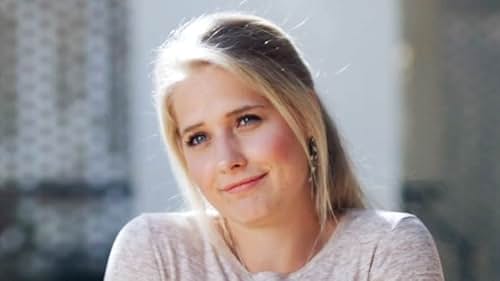
The day Lydia says everything changed
Lydia has started talking publicly about the moment her life split into a before and after, describing how, at 4 years old, she watched her baby brother die in front of her. In a short video, she recalls, “I watched my 17 month old brother die before my eyes,” adding that she “was four” and that she “remember[s] everything” about being “in the car when it happened,” a memory she connects directly to her mother’s reaction in the aftermath, saying, “Oh my god my mom, she like fr…” as she trails off while reliving it on camera, a clip labeled with the name Jan. That detail, that she was strapped into a vehicle seat while chaos unfolded around her, underlines how trapped and helpless she felt, a child locked inside a scene no one could fix.
Those memories are not abstract for her, and she has stressed that she remembers “every detail” of her 17‑month‑old brother Joshua’s final moments and the confusion that followed. In a recent interview, she revisited how Joshua, often referred to as her “Old Brother Joshua,” died when she was “4,” explaining that going back to that day is “hard to go back to” even now, more than a decade later, as she reflects on his “Death When She Was” still a preschooler and how the family’s grief shaped the early seasons of Welcome. Her insistence that nothing about that day is blurry pushes back on the idea that young kids simply “move on” from trauma they supposedly cannot fully process.
Joshua’s accident and the silence that followed
Behind Lydia’s memories is a specific, devastating incident that has slowly come into focus as the Plaths have opened up. Joshua Plath was 17 months old when he died in a farming accident on the Plath family property in the fall of 2008, a loss that has been described as an “accidental death” that unfolded while the family was working on their land and later became part of the backstory once the Plaths appeared on television, a tragedy that has been tied directly to Joshua Plath. Another account notes that Joshua “was born on April” before his life was cut short in that accident, a detail that anchors him as a real child with a brief but specific timeline, not just a storyline, and situates his death years before his family ever appeared on television. For Lydia, that context matters, because the cameras arrived long after the damage was done.
In another recent clip, labeled with the name Jan, a host tells Lydia that hearing about “your sibling that died at 17 months honestly” was “something that absolutely shattered my heart,” giving her space to respond not as a cast member but as a sister. Lydia has echoed that sentiment herself, saying that losing Joshua “absolutely shattered” her own heart and that the family’s choice not to process it openly left her carrying a quiet, private grief. She has described how the tragedy “broke her family,” not only because of the accident itself but because of what came next: a long period where the subject was effectively off‑limits inside the house.
Growing up in a house that would not talk
As Lydia has grown into adulthood, she has started to connect the dots between that early trauma and the emotional rules that governed her childhood. She has said that after Joshua died, the Plaths “couldn’t talk about it,” describing a home where the hardest thing that had ever happened was treated like a closed file. In one conversation, she explains, “We had a sibling pass at 17 months when I was 4,” and then adds that “because we didn’t talk about the hardest thing of our childhood,” it changed how she and her siblings related to one another and to their parents, a reflection captured in a detailed breakdown of how We Couldn really name what they were feeling. That silence, she suggests, became its own kind of wound.
Over time, Lydia has also acknowledged how her mother’s role in the accident complicated that silence. In a reflection shared over the summer, she made a rare comment about her mom’s involvement in her baby brother’s death, a remark that was highlighted as a “rare quote about brothers death” and framed as a moment where she finally addressed how her mother, Kim, carried her own guilt, a dynamic captured in a piece credited as “Story by Shelby Stivale” and tagged “Courtesy of Lydia Plath / Instagra,” which underscored how carefully she has chosen her words about Lydia Plath Makes. In a separate breakdown of her journey, she is described as reflecting on the loss of her brother Joshua “more than 15 years” later and as someone who now wants to “talk about the deep things,” a shift that marks a clear break from the old family rulebook and is summed up in a “NEED TO KNOW” section that introduces Lydia Plath as a woman determined to face what her younger self was told to bury.
That determination is also visible in how she talks about memory itself. In one profile, credited “By Miranda Siwak,” Lydia is quoted as saying she remembers “every detail” of Joshua’s death, from the layout of the car to the way people moved around her, a recollection that sits alongside her newer comments about how hard it is to revisit that day and is captured in a feature that highlights how By Miranda Siwak she is finally letting those details out. For viewers who first met her as the soft‑spoken, ever‑cheerful middle child on a tightly controlled reality show, hearing her calmly describe watching her 17‑month‑old brother die in front of her, and then explain how her family refused to talk about it, reframes Lydia not as a side character in the Plathville universe but as someone quietly doing the hard work of telling the whole story.
More from Vinyl and Velvet:

Leave a Reply