


Steve Perry walking away from Journey in the late 1980s looked, from the outside, like a classic rock‑star burnout story. For years, fans filled in the blanks with rumors about feuds, ego, and money. Only recently has Perry started spelling out the mix of exhaustion, grief, and later physical pain that really pushed him to step off the arena carousel and stay away.
What he describes is not a single dramatic blowup but a slow unraveling of joy, followed a decade later by a health crisis that shut the door on a full reunion just as it was swinging open. The “real reason” he left, in his telling, lives in that overlap between emotional overload and a body that finally refused to cooperate.
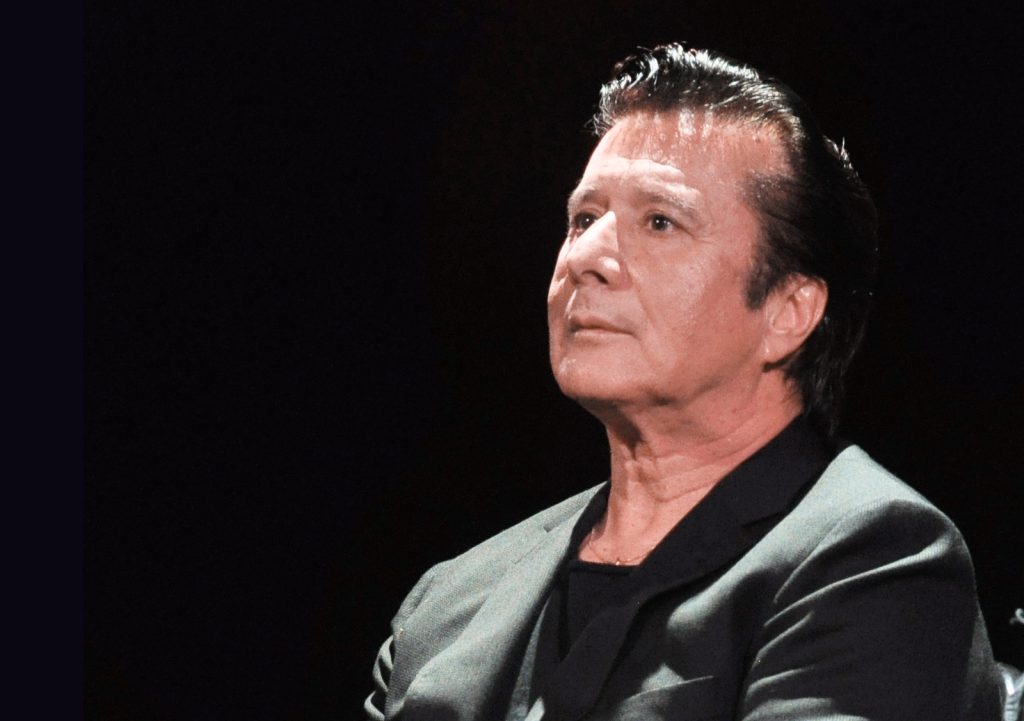
The burnout behind the 1987 exit
By the time Journey wrapped the cycle around the album that followed Raised on Radio, Steve Perry was running on fumes. The band had already weathered internal shakeups, with Valory and Smith leaving Journey during early production, and the pressure on the singer only intensified as he became the unmistakable face and voice of the group, a role that left him little room to process his own life. In later interviews he has described that period as one where the machine kept moving even as his sense of direction disappeared, a feeling that set the stage for his decision to walk away in 1987, long before any medical crisis entered the picture, according to the band’s documented lineup history.
When Perry looks back on that first departure, he does not frame it as a power play or a contract dispute. He talks instead about being emotionally and creatively spent, describing how he left without a clear plan and with a sense that the “earth’s atmosphere” of his life had changed so much that he needed to “ground” himself again after a ride that no longer felt sustainable. In one conversation he recalls not knowing where he was going or what he was going to do, only that he had to step away from the band’s momentum, a moment of free fall he has revisited in later comments about that life reset.
Grief, silence, and the pull of a normal life
What followed Perry’s exit was not an instant solo takeover of the charts but a long stretch of quiet that he now links directly to grief and the need for an ordinary existence. He has spoken about how personal loss and the sheer weight of years on the road left him feeling hollowed out, to the point where he simply stopped singing in public for a long time and tried to live like anyone else. In one reflection he admits that, for a long period after leaving, he did not know what came next and only knew that he could not keep living inside the same cycle, a sense of disorientation he has tied to that moment when he said, “And I didn’t know where I was going. I didn’t know what I was going to do or where I was going to go. All I knew is that I had to stop,” a line he has echoed in more than one recollection.
That retreat was not just about stepping away from the band, it was about stepping away from the identity of “Steve Perry from Journey.” He has described how the quiet years let him rediscover simple conversations and nights spent just talking in the dark, memories he has called his favorite times when he and someone close could talk each other to sleep without the noise of the industry around them. In one candid exchange he recalls being asked what he missed most and answering, “Well what’s that?” before landing on those late‑night talks as the thing that mattered more than the spotlight, a small but telling detail he shared while opening up about his post‑Journey life in a video interview.
The hip injury that closed the reunion door
The twist in Perry’s story is that the most dramatic physical crisis came not when he first left Journey but roughly a decade later, when the classic lineup regrouped and tried to make another run at it. Just before tour arrangements could be finalized, he collapsed while on a hike and learned he needed serious hip surgery, a blow that arrived right as the band was gearing up again. He has described how, through that THROUGH PAIN, STEVE PERRY CAME back to music only after confronting the reality that he could not jump straight into a grueling tour, a turning point he has revisited in detailed accounts.
That same hiking collapse and surgical diagnosis show up again in later retellings of how the reunion unraveled, with Perry explaining that the band wanted to move quickly while he needed time to face the operation and recovery. In one version of the story, the classic lineup had regrouped and was ready to tour when his hip gave out, a moment summed up in another reflection on how, THROUGH PAIN, STEVE PERRY CAME back to music only after that door effectively closed on a full‑scale return to the band, a sequence he has laid out in a separate recounting.
Creative control, old wounds, and why he stayed away
Alongside the emotional fatigue and later medical crisis, Perry has also nodded to creative and business tensions that made a permanent return unlikely. One thread that surfaces in fan discussions and interviews involves his desire for control over key solo material like the song “Oh Sherry,” and how that clashed with the band’s interests when talks about rights and direction came up again. In one social media exchange, a commenter summarized how Steve wanted the rights to the song “Oh Sherry” and the band did not want to give them up, leading to a big fight over style and ownership, a snapshot of the kind of friction that lingered even as fans dreamed of a full reunion, a dispute that was highlighted in a comment thread.
Perry has also pushed back on the idea that he was ever formally fired, stressing that he chose to leave and that later decisions about moving on without him were the band’s response to his own limits. One retrospective on his time with the group notes that he was not officially “fired” from JOURNEY, but instead left in the late 1980s and then faced a crossroads when the hip surgery delayed any comeback, a distinction that matters to him when he talks about agency and respect. In that telling, Steve Perry’s story is less about being pushed out and more about a singer who knew he could not keep going at the same speed, a nuance that surfaces in a profile of his.
Finding his voice again, on his own terms
Over time, the same man who once vanished from the stage has started to describe how he slowly found his way back to music without needing the old band structure. He has talked about how, after years of silence, he began singing again in private, then in the studio, letting the process be guided less by charts and more by whether it felt honest. In one reflection he frames this as coming back to music through pain, both emotional and physical, a journey that eventually led him to release new work under his own name rather than chase another arena tour, a perspective he has shared in a candid on‑camera conversation.
That same arc shows up in more recent clips where he revisits the moment he walked away in 1987 and the long road back. In one video he likens life after the band to reentering the earth’s atmosphere and needing to “do something” to ground himself, a metaphor that captures both the shock of leaving and the slow work of rebuilding a life. He has also reflected on how, over the years, he came to see that stepping away from Journey was less about running from something and more about making space to survive, a theme that runs through later interviews about his and is echoed in parallel coverage that revisits how Jan and All of those moments added up in his memory, including a feature on his and another piece that traces how Jan and All of those choices shaped his later career, as seen in a separate retelling.
More from Vinyl and Velvet:

Leave a Reply