

Twenty five years after she methodically drowned her five young children in the family bathtub, Andrea Yates remains one of the most haunting figures in American criminal history. Her case reshaped public understanding of postpartum mental illness and insanity defenses, and it continues to reverberate as new documentaries revisit what happened in that Houston home. Today, instead of a prison cell or a quiet life out of view, she lives under state psychiatric care, her daily existence tightly circumscribed by treatment, routine, and enduring grief.
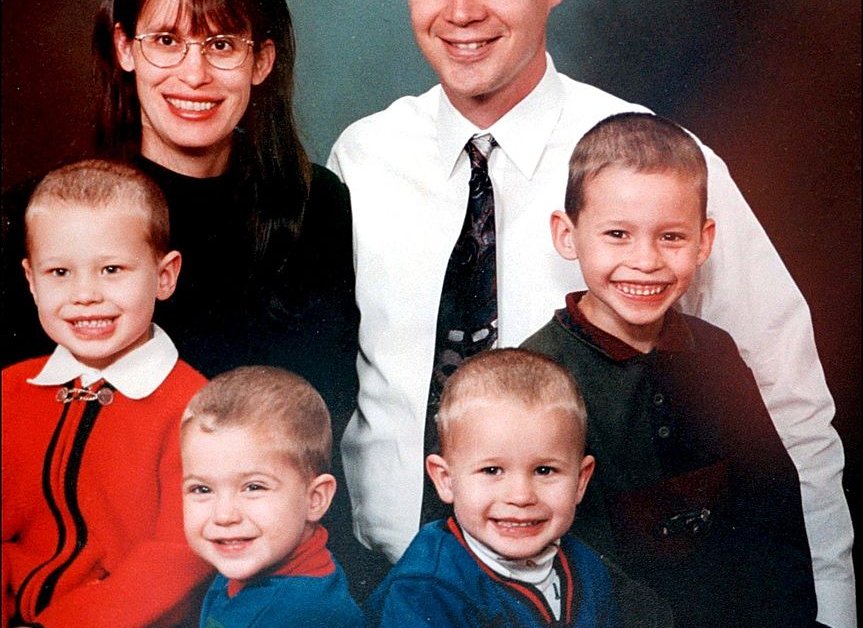
The horror began when Andrea Yates killed Noah, John, Paul, Luke, and Mary in the suburban house she shared with her husband, Rusty Yates, a crime that led to her arrest and a capital murder charge. Investigators learned that she had filled the bathtub and, one by one, drowned Noah, who was 7, John, who was 5, Paul, who was 3, and their two younger siblings, then called authorities and Rusty after the killings were complete. Reporting on where she lived at the time has detailed how the family’s move into that Houston area home preceded the day she was arrested, and how the address became synonymous with a catastrophic mental health collapse that ended in the deaths of all five children, including Noah and John, whose names still anchor public memory of the case, as well as Rusty’s role as the surviving parent who first faced the scene of the crime after she drowned her and Rusty’s five kids: Noah, 7, John, 5, Paul, 3.
From capital murder conviction to long term psychiatric care
In the immediate legal aftermath, prosecutors framed Andrea Yates as a calculating killer, while her defense argued that severe postpartum psychosis left her unable to understand that what she was doing was wrong. A jury ultimately deliberated for less than four hours before finding Yates guilty of capital murder, and She was sentenced to life in prison with the possibility of parole after 40 years, a verdict that reflected the jury’s conclusion that she knew her actions were criminal even as she insisted she believed she was saving her children from eternal damnation Ultimately, the jury deliberated less than four hours and found Yates guilty of capital murder.
That initial conviction did not stand. Several years later, an appeals court overturned the verdict, and Yates entered a new phase of the legal process that focused squarely on her mental state. During a subsequent proceeding, Yates pleaded not guilty by reason of insanity, and court records show that on January 9, 2006, Yates formally entered that plea in her first court appearance since 2002, a turning point that shifted the outcome away from a traditional prison sentence and toward long term treatment. By Februar of the following year, the legal system had accepted that she met the standard for insanity, and the focus moved to where and how she would receive secure psychiatric care rather than whether she would ever walk free on parole Yates pleads not guilty by reason of insanity, during her first court appearance since 2002. Februar.
Life inside Kerrville State Hospital and her refusal to leave
Since that insanity verdict, Andrea has not returned to a conventional prison. Instead, Andrea has been remanded to Kerrville State Hospital, a secure mental health facility in Kerrville, Texas, where she has lived under close supervision and ongoing psychiatric treatment since 2007. Staff and legal advocates describe a structured environment in which she follows a strict routine, participates in therapy, and remains largely shielded from public view, a far quieter existence than the media frenzy that once surrounded her name Andrea has been remanded to Kerrville State Hospital, a mental facility in Kerrville, Texas, since 2007.
Her continued confinement is not simply the product of court orders. Every year, Andrea Yates is entitled to a review that could open the door to a conditional release, yet she has repeatedly declined to pursue that option, instructing her lawyers that she wishes to stay in a psychiatric hospital rather than risk life outside. In one such review, Andrea Yates, who drowned her 5 kids, declines release hearing from mental hospital, again, a pattern that underscores how she and her treatment team view ongoing inpatient care as essential to her stability and to public safety Andrea Yates, who drowned her 5 kids, declines release hearing from mental hospital, again.
How those closest to the case see her now
From the beginning, one of the most consistent figures in Andrea Yates’s life has been her defense attorney, George Parnham, who has represented her since the day after she killed her five children. Speaking from HOUSTON years later, George Parnham has described a client whose days are filled with quiet routine and religious reflection, and he has emphasized that Andrea Yates carries a detailed, painful memory of each child, down to the top of her head, a phrase he has used to convey the depth of her ongoing grief and awareness of what she did HOUSTON, George Parnham, the attorney who has represented Andrea Yates since the day after she killed her five childre.
Public interest in her story has not faded, in part because of new examinations of her mental illness and the religious influences in her life. One detailed account of her trajectory notes that Moving Forward, After her acquittal on insanity grounds, Yates was moved to Kerrville State Hospital in Texas, where she has refused all interviews and instead channels her energy into quiet acts of remembrance, such as putting flowers on the grave in her mind when she thinks of her children. That same reporting stresses that Yates has chosen not to profit from her notoriety, declining book deals and media appearances that might reopen wounds for Rusty Yates and others who lived through the tragedy Moving Forward. After her acquittal, Yates was moved to Kerrville State Hospital in Texas.
A legacy reframed by insanity verdicts, media, and advocacy
Legal records show that On June 20, 2001, Andrea Yates drowned the five young children she shared with her husband, Rusty Yates, in the bathtub of their Houston area home, a fact that remains the fixed point around which every later development revolves. After her conviction was overturned, Andrea was found not guilty by reason of insanity in a Houston courtroom, and in July 2006, Andrea was transferred from a maximum security campus in Vernon, Texas, to the psychiatric setting where she lives today, a move that signaled the state’s acceptance that treatment, not punishment, would define the rest of her life On June, Andrea Yates drowned the five young children she shared with her husband, Rusty Yates.
Her refusal to seek release has become a story of its own. Over the summer, one report described how Killer mom Andrea Yates, who drowned her 5 children in a bathtub in 2001, is rejecting the chance to go free, noting that Andrea Yates, the Texas mom, has repeatedly declined to be assessed for potential discharge and instead supports efforts to use her case to educate people suffering from postpartum depression and psychosis. That educational push now extends to television, where viewers are being told How to Watch The Cult Behind The Killer: The Andrea Yates Story, a three part series that revisits her life, the religious teachings that shaped her fears about the Devil, and the systemic failures that left a severely ill woman alone with five children Killer mom Andrea Yates, who drowned her 5 children in a bathtub in 2001, is rejecting the chance to go free.
That documentary attention has renewed interest in the broader cultural forces around her, including the religious community examined in The Andrea Yates Story and the way its teachings about sin and salvation intersected with her psychosis. Viewers curious about those dynamics are being guided on How to Watch The Cult Behind The Killer: The Andrea Yates Story, Air Date and Time, Where to Stream Online, a reminder that her case now lives in the true crime ecosystem as much as in legal textbooks. At the same time, coverage of Where is Andrea Yates now has revisited how the Court first convicted Andrea Yates of capital murder before the insanity finding, and how questions about whether Rusty Yates remains in contact with her continue to surface whenever new projects revisit the killings and their aftermath How to Watch The Cult Behind The Killer: The Andrea Yates Story: Air Date and Time, Where to Stream Online Where is Andrea Yates now, and is Rusty Yates still in contact with her, are questions that continue to surface.
More from Vinyl and Velvet:

Leave a Reply