

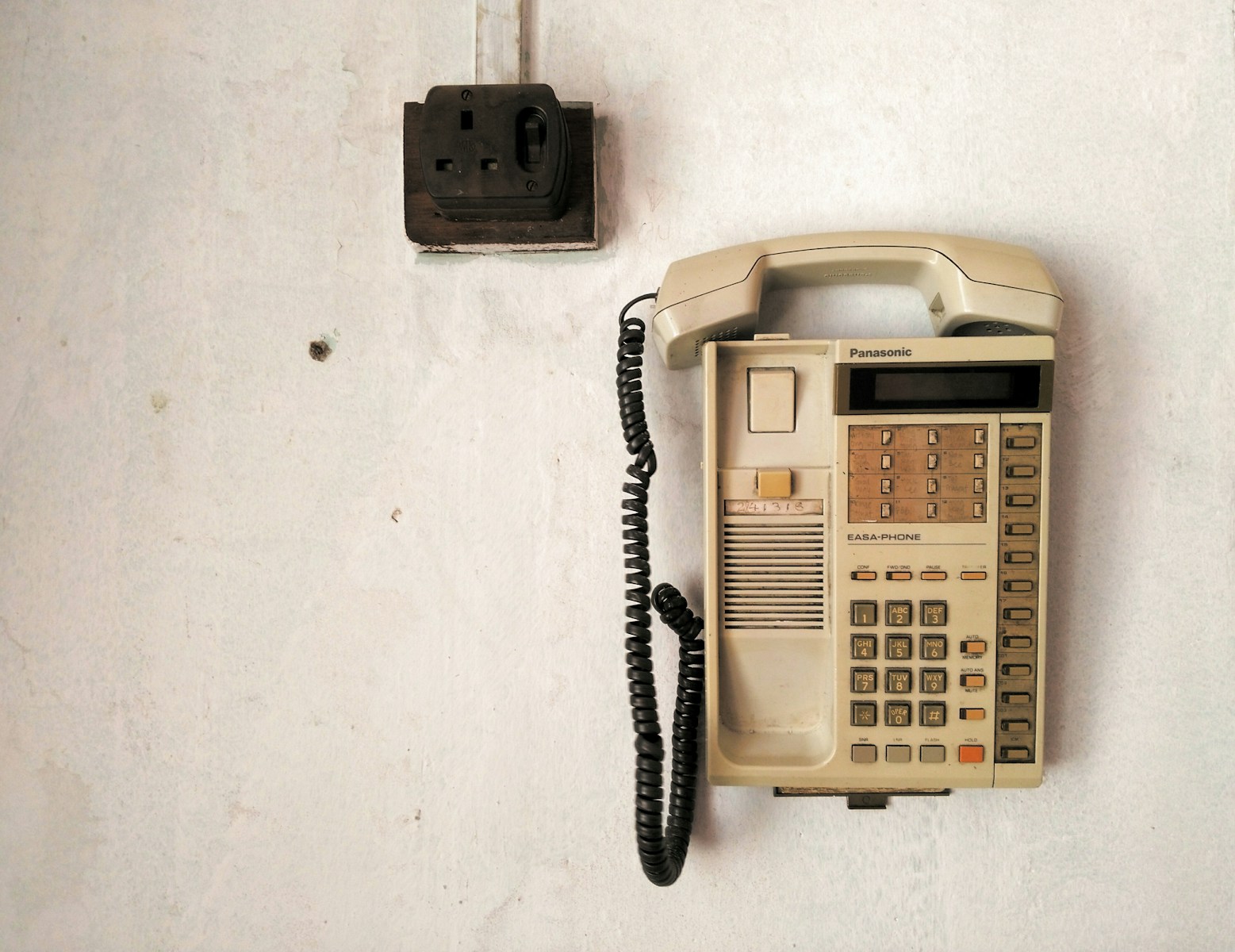
The 1980s left behind more than big hair and synth pop. A whole wave of household products quietly disappeared, even though plenty of people still miss how simple, sturdy, or just plain fun they were to use. From clunky electronics to oddly comforting cleaning supplies, here are nine throwback items that still live rent free in a lot of kitchens, living rooms, and garages.
1) Wood‑paneled VCRs
Wood‑paneled VCRs turned living rooms into mini theaters, long before streaming made movie nights a scroll-and-click habit. The chunky front-loading decks, often wrapped in fake walnut, sat under tube TVs and recorded everything from Saturday morning cartoons to late‑night game shows. That ritual of popping in a blank tape, setting the timer, and hoping the clock was actually right gave families a shared schedule, not just shared content.
People miss how physical the whole experience felt, from handwritten labels to rewinding with a whirring grind. Nostalgia for that era shows up in the way fans still celebrate old-school entertainment, from forgotten TV formats to the hardware that made recording them possible. For collectors and retro gamers, those wood‑paneled boxes are now decor, proof that tech once tried to blend in with the furniture instead of vanishing into a flat black screen.
2) Plug‑in air poppers
Plug‑in air poppers were a countertop staple for anyone who wanted movie‑theater style popcorn without drowning it in oil. The bright plastic hoods and clear chutes turned kernels into a mini fireworks show, spitting fluffy popcorn straight into a waiting bowl. Parents liked that kids could watch the whole process, and the only cleanup was a quick wipe and a rinse of the measuring scoop that doubled as a butter cup.
Compared with today’s microwave bags, air poppers feel refreshingly low‑waste and repairable. Fans of analog fun often lump them in with other simple 80s pleasures that younger generations never really experienced, the kind of hands‑on gadgets that made staying in on a Friday night feel like an event. For renters and small‑kitchen dwellers, they also offered a rare combo of cheap, compact, and nearly indestructible.
3) Hard‑shell camcorder cases
Hard‑shell camcorder cases were the unsung heroes of every family vacation and school recital. The foam‑lined suitcases, usually in battleship gray or basic black, cradled bulky VHS and VHS‑C cameras along with spare batteries, tapes, and that one irreplaceable charging brick. Hauling one through an airport felt like carrying a briefcase of memories, not just electronics.
People miss how those cases turned home video into a deliberate act. Packing them meant someone was officially in charge of documenting birthdays, road trips, and awkward talent shows. In an era when disasters like the California wildfires can erase entire neighborhoods, the old tapes that survived inside those hard shells have become priceless archives. The cases themselves symbolized a time when recording life took planning, not just a quick tap on a phone screen.
4) Corded wall phones with extra‑long coils
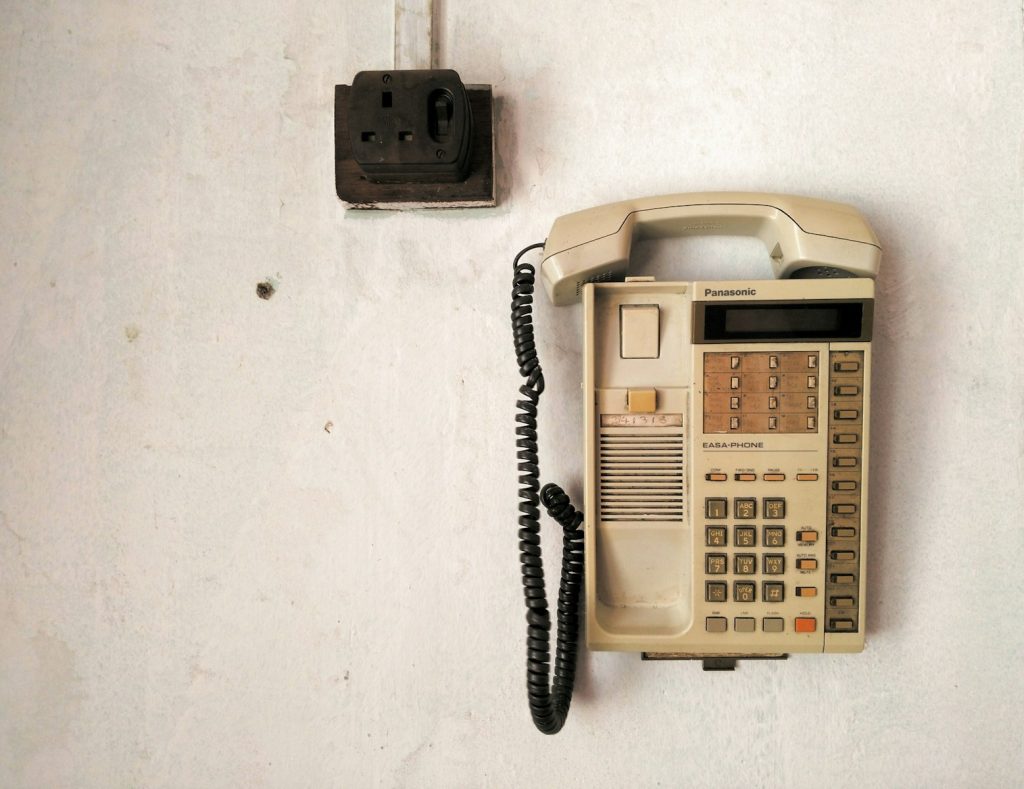
Corded wall phones with extra‑long coils turned kitchens into command centers. The plastic handset, usually in almond, harvest gold, or bright red, hung on a sturdy cradle while a 20‑foot spiral cord snaked across the room. Teenagers stretched those coils into the hallway for semi‑private gossip, while parents scribbled messages on notepads stuck to the fridge.
What people miss most is how these phones anchored communication to a single spot. If someone called, the whole house heard it, and whoever answered became the unofficial gatekeeper. There were no push alerts, no read receipts, just a busy signal when life got too crowded. That physical tether created natural boundaries between home and everywhere else, a contrast to today’s always‑on group chats and pocket buzzes.
5) Boombox‑style clock radios
Boombox‑style clock radios blended two 80s obsessions, portable music and glowing digital time. These chunky bedside bricks had red LED numbers, big snooze buttons, and FM dials that crackled as they slid past local stations. Many doubled as mini stereos, with cassette decks ready to capture late‑night countdowns straight off the airwaves.
People still miss waking up to a favorite song instead of a generic phone chime. Setting the alarm meant twisting real knobs and sliding physical switches, a tiny ritual that made mornings feel slightly more intentional. For kids and teens, that first clock radio was often the first piece of “real” electronics they owned, a gateway to music discovery and a subtle lesson in showing up on time without a smartphone in sight.
6) Metal ice cube trays with levers
Metal ice cube trays with levers were a small but satisfying piece of freezer engineering. The heavy aluminum pans froze water into rock‑solid cubes, and a single pull on the hinged handle cracked every cube loose with a sharp, echoing snap. There were no flimsy silicone molds or plastic lids to wrestle, just a cold, utilitarian tool that did one job perfectly.
Fans of these trays miss both the durability and the tactile payoff. The lever’s resistance, followed by that sudden release, turned refilling the ice bucket into a tiny moment of accomplishment. In an age of automatic ice makers that jam and break, the old trays represent a kind of reliability that fits neatly with broader nostalgia for 80s hardware, when even the simplest kitchen gear felt built to outlast the fridge around it.
7) Scented drawer liners
Scented drawer liners quietly kept dressers and linen closets feeling a little more polished. Rolled out in floral prints or pastel stripes, the paper added a faint whiff of lavender, rose, or powder to folded T‑shirts and neatly stacked towels. Opening a drawer lined in the 80s often meant catching a hint of the same fragrance year after year.
People miss how these liners turned basic storage into a small ritual of care. Lining drawers usually happened during big life moments, like moving into a first apartment or setting up a nursery, so the scent became tied to those memories. Compared with today’s plug‑in fresheners and aggressive sprays, the slow, subtle fragrance of drawer paper feels gentler, more personal, and a lot less disposable.
8) TV dinner trays with foil tops
TV dinner trays with foil tops were the unofficial sponsors of weeknight sitcom marathons. The segmented aluminum pans slid straight from freezer to oven, filling kitchens with the smell of Salisbury steak, mashed potatoes, and a token vegetable. Peeling back the crinkly foil felt like unwrapping a present, even if the dessert was a slightly icy brownie.
What people miss is the shared ritual around them. Families balanced those trays on folding tables, timed to favorite shows, and no one pretended it was health food. Compared with today’s microwaveable plastic, the old foil pans browned edges and crisped potatoes, giving even cheap dinners a bit of texture. They also marked a moment when convenience food still required using the oven, keeping cooking tied to the heart of the house.
9) Slide‑in cassette storage racks
Slide‑in cassette storage racks turned living rooms and bedrooms into personal music libraries. The plastic or wood towers held tapes spine‑out, each handwritten label announcing a favorite album or carefully curated mixtape. Flipping through them felt like browsing a friend’s brain, one 90‑minute rectangle at a time.
People miss how visible their tastes were when music lived on shelves instead of inside streaming profiles. Lending a tape meant trusting someone with both the music and the hours spent recording it, especially if it was captured off live radio or a rare broadcast like an obscure game show theme. Those racks made collections feel permanent and proudly on display, a far cry from playlists that can vanish with a lost password or a lapsed subscription.
More from Vinyl and Velvet:

Leave a Reply