

If someone grew up in the 1990s, the mall was basically their second home. It was where they met friends, discovered music, tried on new identities, and killed entire Saturdays without ever stepping outside. A lot of those rituals have quietly vanished, along with the stores and spaces that made them possible, leaving today’s malls feeling like a different universe.
1) Hanging Out as a Mall Rat
Hanging out as a mall rat meant treating the mall like a clubhouse, not a shopping trip. In Shreveport-Bossier City, groups of teens in the late 1980s and early 1990s gathered after school to roam the corridors, flirt by the food court, and circle back past the same storefronts until closing time, a scene captured in detail in local memories of 80s mall rats. They were not racing through errands, they were stretching out the evening, hoping to run into a crush or overhear the latest drama.
That kind of unstructured loitering is harder to find now, as security policies, ride-share pickups, and online group chats have replaced lingering on benches. The stakes are cultural: when teens stop treating malls as neutral hangout zones, those spaces lose their role as training grounds for independence, awkward first dates, and the low-stakes social skills that came from simply being around other people for hours.
2) Browsing Music at Sam Goody
Browsing music at Sam Goody was a whole ritual, from flipping through plastic-wrapped CDs to scanning the wall of new releases. The chain was a staple of 1990s teen life, yet it ultimately shut down its mall presence, with its traditional CD and cassette browsing experience ending after the company closed stores around 2006, as noted in rundowns of favorite 90s stores. Shoppers did not just buy albums, they sampled tracks at listening stations and judged bands by their cover art.
Streaming services and digital downloads stripped away that tactile hunt, replacing it with search bars and algorithmic playlists. For artists and labels, the loss of chains like Sam Goody meant fewer casual discoveries from kids wandering in with allowance money. For mall culture, it erased one of the loudest, most social anchors, where friends argued over which CD was worth a precious twenty dollars.
3) Playing Arcade Games at Tilt
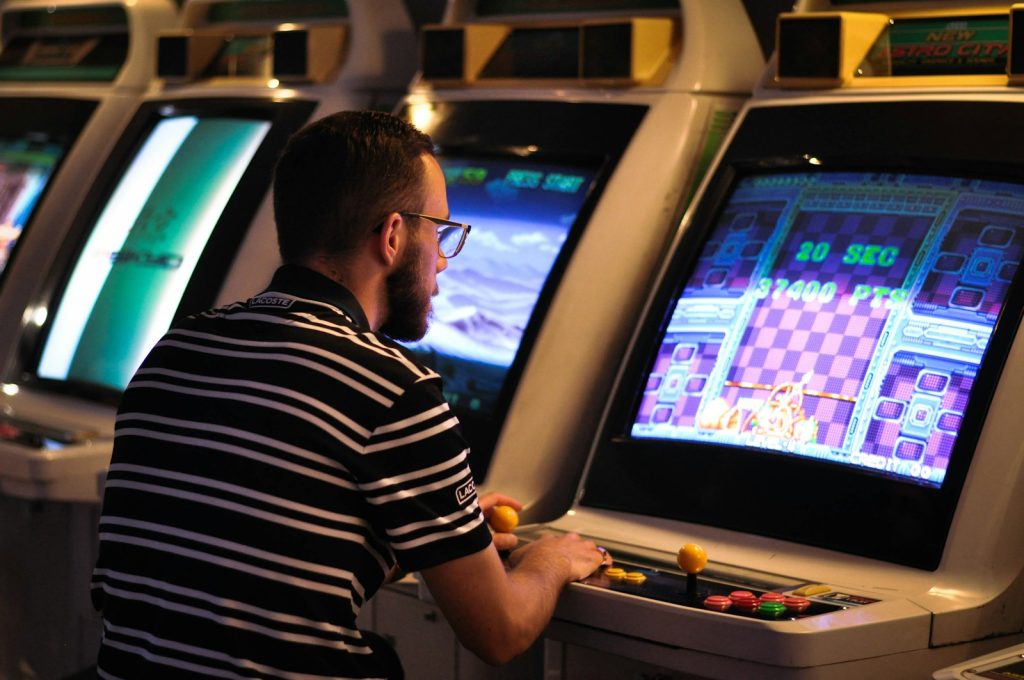
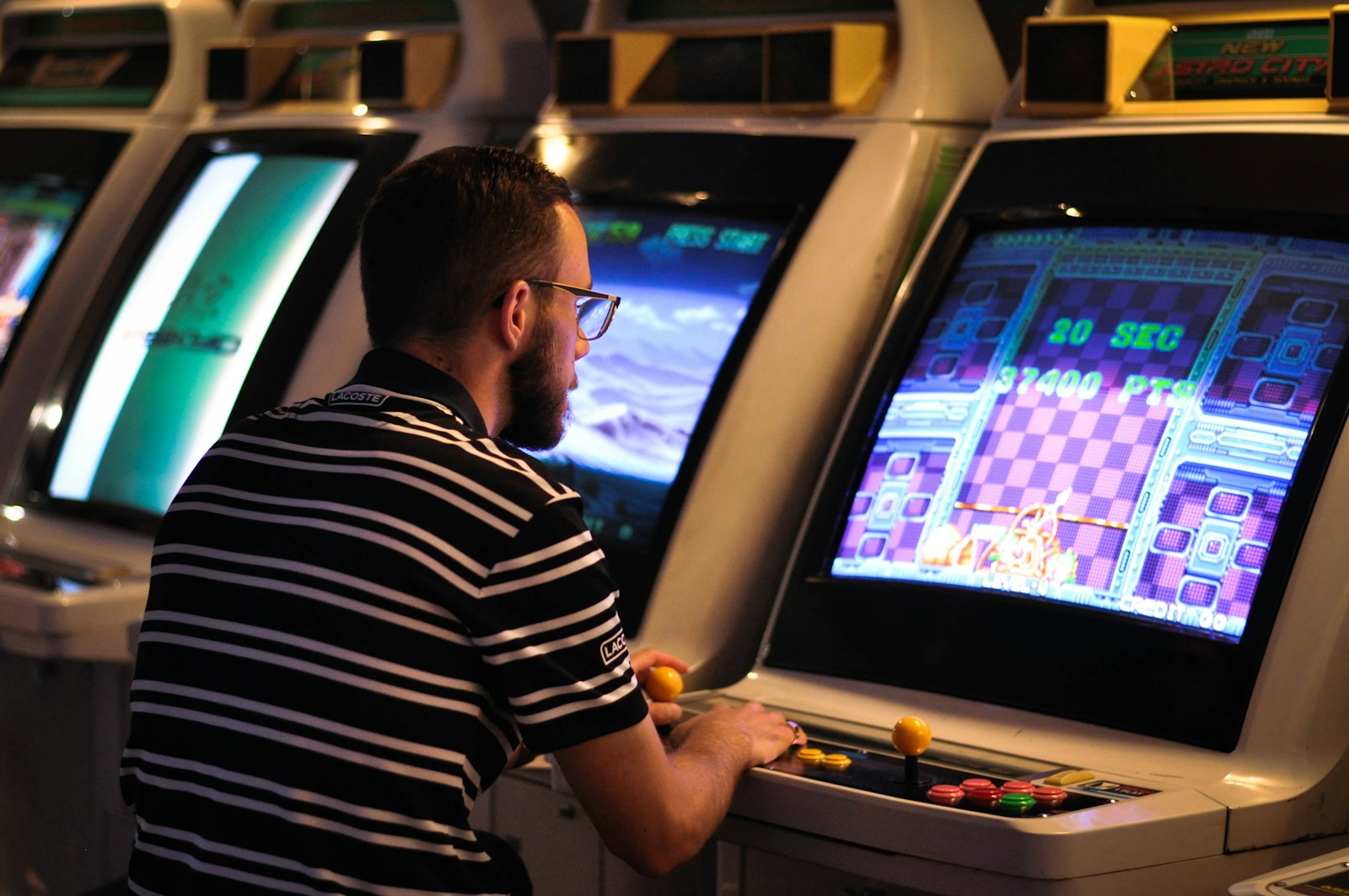
Playing arcade games at Tilt turned pocket change into an afternoon of competition. Tilt locations filled mall corners with flashing cabinets, pinball machines, and fighting games, part of a broader wave of arcade centers that later vanished from national rankings of stores that do not exist anymore. Kids lined up for Mortal Kombat, swapped tips on Street Fighter combos, and measured status in high scores instead of follower counts.
As home consoles like the Sony PlayStation and Nintendo 64 took over living rooms, the business model for coin-op arcades collapsed. The disappearance of Tilt-style spaces did more than shift where games were played, it moved gaming from a public, noisy arena into private bedrooms. That change undercut one of the mall’s biggest draws for teens who were not there to shop at all.
4) Shopping for Toys at KB Toys
Shopping for toys at KB Toys was a sensory overload that online carts cannot match. The chain packed its mall storefronts with floor-to-ceiling displays, demo tables, and bins of discounted action figures, before ultimately liquidating in 2009, a fate documented in retrospectives on mall stores that do not exist anymore. Kids could test remote-control cars in the aisle or beg for one more Beanie Baby at the register.
Once big-box retailers and e-commerce undercut toy margins, KB’s interactive setups disappeared, taking with them a key reason families lingered at the mall. Parents lost an easy bribe to keep kids happy during errands, and children lost a place to discover toys by touch instead of thumbnail. The broader trend signaled how malls shifted away from kid-centered wonder toward more utilitarian, adult-focused shopping.
5) Lounging by the Mall Fountain
Lounging by the mall fountain was practically a sport in 1993 at Apache Mall, where archival video shows shoppers clustered around central water features, chatting and people-watching. That footage of the Apache Mall from 1993 captures teens draped over railings, parents resting with strollers, and kids tossing coins into the water. The fountain was less a decoration and more a meeting point, a place to regroup between stores.
Many of those fountains have since been removed or downsized to make room for kiosks and revenue-generating floor space. Losing them stripped malls of a free, low-pressure hangout zone where no purchase was required. For regulars, that shift signaled a move away from community space toward pure retail, shrinking the number of spots where people could simply exist without swiping a card.
6) Trying On Trends at The Limited
Trying on trends at The Limited was a rite of passage for 1990s mall-goers figuring out their style. The women’s apparel chain dominated corridors with sleek window displays and racks of workwear and going-out tops, before later rebranding efforts and store cuts pulled it back from that peak, as chronicled in lists of Ranked legacy retailers. Shoppers treated it as a step up from teen stores, a place to buy the blazer or dress that made them feel suddenly adult.
As fast fashion chains and online boutiques multiplied, The Limited’s midrange niche got squeezed. Its retreat from malls meant fewer spots where young women could experiment with “serious” clothes in person, with friends hyping or vetoing outfits in the fitting room. That loss chipped away at the mall’s role as a live-in style lab, replacing it with solo mirror selfies at home after a package arrives.
7) Grabbing a Sbarro Slice
Grabbing a Sbarro slice turned the food court into a mini New York pizzeria for suburban teens. Reports on how going to the mall just is not the same anymore point to those food courts as social hubs, where kids camped at tables for hours with a single slice and soda. Sbarro’s oversized cheese and pepperoni slices were cheap, shareable, and easy to eat while scanning the crowd for familiar faces.
As the chain went through restructurings and many malls lost their food courts or downsized them, that casual dining anchor weakened. The shift toward quick pickups and delivery apps means fewer teens lingering over trays and gossip. Without that noisy, central cafeteria energy, malls feel more transactional, less like the all-day hangouts that defined 1990s weekends.
8) Posing in Photo Booths
Posing in photo booths turned spare quarters into instant souvenirs. In the 1990s, malls scattered instant film kiosks and small booths that printed strips of goofy faces, and some even offered quick passport photos, a service that has largely gone digital or been outsourced, as noted in coverage of 14 things every 90s teen did at the mall. Friends crammed four people into a tiny booth, timed their poses to the flash, and walked out with proof of their inside jokes.
Smartphone cameras and social apps made that ritual feel unnecessary, and many booths quietly disappeared. The stakes are small but real: those low-res, physical strips ended up taped to lockers, dorm walls, and bedroom mirrors, becoming tangible markers of friendships. Digital photos are easier to take, but they are also easier to lose in a feed, unlike the crinkled strip someone still finds in a shoebox decades later.
9) Flipping Through Waldenbooks
Flipping through Waldenbooks meant wandering narrow aisles stacked with paperbacks, from mass-market thrillers to fantasy series. The chain’s mall locations were eventually folded into Borders, which then shut down after its 2011 bankruptcy, a trajectory detailed in retrospectives on dozens of stores you once loved. For many kids, Waldenbooks was where they discovered their first Stephen King novel or a dog-eared copy of a favorite series.
As big-box bookstores and online retailers took over, that small, frequent-stop model faded. The disappearance of Waldenbooks from malls meant fewer chances for casual readers to stumble onto a new author while killing time before a movie. It also chipped away at the mall as a place for quiet browsing, not just fashion and food, narrowing the mix of experiences under one roof.
10) Watching Movies at General Cinema
Watching movies at General Cinema turned mall trips into full-day events. The chain’s standalone theaters inside or attached to malls showed the same blockbusters that defined 1990s pop culture, and some of those locations even appeared in films like “Clueless,” before being demolished or repurposed, as documented in surveys of iconic movie locations that do not exist anymore. Teens would shop, grab food, then cap the night with a late show, all without leaving the complex.
As multiplexes moved to standalone complexes and streaming platforms grew, many of those mall-based General Cinema sites shut down. Their loss did more than remove screens, it broke the loop that kept people circulating between shops, food courts, and entertainment. Without a built-in theater, malls lost one of their strongest reasons for people to stay past dinner, accelerating the shift from all-day hangout to quick errand stop.
Supporting sources: 10 Stores That No Longer Exist in Maine But We Wish Still Did.
More from Vinyl and Velvet:

Leave a Reply