

For boomers, growing up meant chores, school rules, and holiday rituals that would look completely alien to kids raised on smartphones and streaming. From hand-washing laundry in metal tubs to lining up for vaccines in the gym, everyday life came with tools and traditions that have quietly disappeared. Here are 12 items and experiences boomers grew up with that most kids today would not even recognize, let alone know how to use.
1) Hand-Washing Laundry
Hand-washing laundry meant boomer teens hauling clothes to large metal tubs, scrubbing each piece on a rippled washboard with harsh lye soap, then wringing everything out by hand. Reporting on boomer chores describes this as a regular expectation, not a once-in-a-while punishment. There were no digital settings, no gentle cycles, just raw friction and elbow grease that left fingers pruned and knuckles scraped.
For kids used to tossing fast fashion into high-efficiency machines, the idea of spending an afternoon bent over a metal tub feels almost medieval. Yet this routine shaped how boomers thought about clothing, waste, and work. When every shirt took real effort to clean, people wore items longer, repaired them more often, and understood exactly how much labor sat behind a simple load of whites.
2) Push Mower Lawn Care
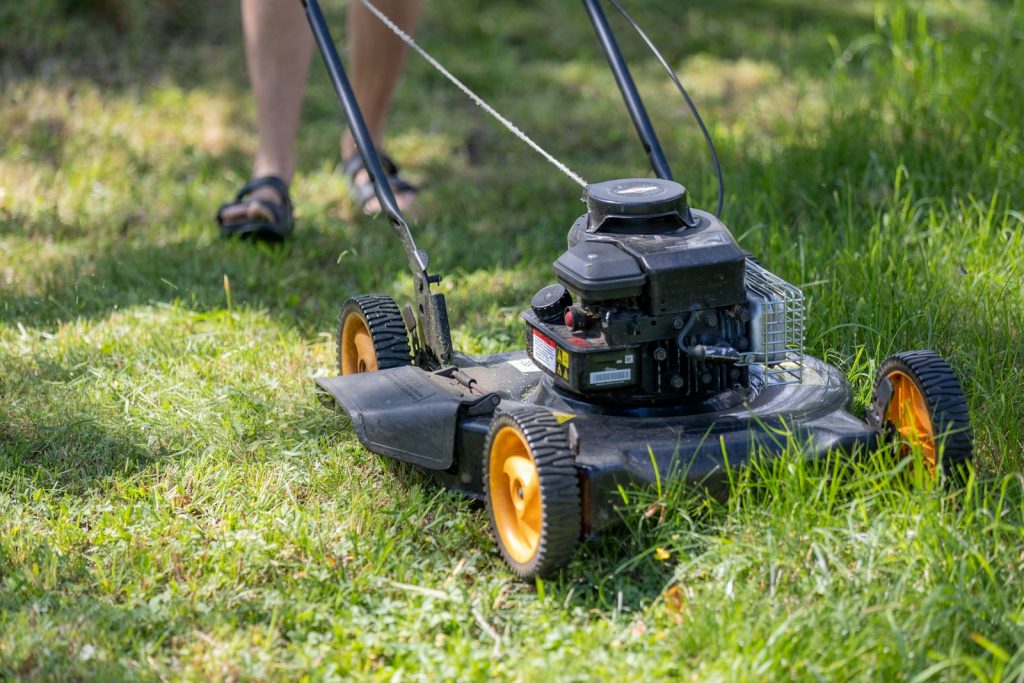
Push mower lawn care was another rite of passage, especially in suburbs with big yards. Instead of gas engines or battery packs, boomer teens often used non-motorized reel mowers whose blades only spun if the user pushed hard enough. Accounts of Mowing the lawn describe long, sweaty afternoons where every uneven patch of grass meant extra passes and extra effort.
Modern kids might complain about guiding a self-propelled mower for twenty minutes, but earlier generations treated lawn duty as weekly strength training. The chore demanded pacing, stamina, and a tolerance for boredom that many parents now say is in short supply. It also reinforced a clear message: if you wanted that tidy, magazine-ready yard, you powered it with your own legs, not a cordless gadget.
3) Chopping Firewood
Chopping firewood with an axe was not a quirky hobby for boomers in rural areas, it was how families kept warm. The same reporting that details Boomers building work ethic through chores notes that splitting logs for wood-burning stoves and fireplaces fell squarely on teenagers. They learned to size up a log, aim the blade, and stack cords neatly so winter heat was literally piled outside the back door.
For kids who tap a thermostat app on their phone, the idea that warmth once depended on a teenager’s swing accuracy is almost unthinkable. Yet that direct link between effort and comfort shaped how boomers viewed energy use and responsibility. If you skipped your chore, the house got cold, a cause-and-effect lesson that no smart home notification can really match.
4) Floor Scrubbing by Hand
Floor scrubbing by hand meant getting down on the knees with a stiff brush and a bucket of soapy water, then working across every inch of wooden flooring. Descriptions of Cleaning the floorboards make it clear that mops and cordless scrubbers were not the default. Kids were expected to attack scuff marks and spills with sheer muscle, rinsing and wringing rags until the water turned gray.
Today’s kids might run a robot vacuum while they play Roblox, but earlier generations learned that “clean” meant sweat, sore backs, and the faint smell of pine cleaner. That standard did more than shine the floors. It taught attention to detail and patience, because missing a corner or skipping under the table was obvious to any parent who walked through the room in bare feet.
5) School Hunter Safety Classes
School hunter safety classes sound like urban legend to younger generations, yet Gen X kids, raised in the shadow of boomer households, really did bring rifles to campus. Accounts of hunter safety describe students carrying their own firearms into classrooms or gyms where instructors walked them through safe handling and rural survival skills. The guns were tools to be managed, not contraband to be locked away.
For kids who associate school security with metal detectors and lockdown drills, that scene is almost impossible to picture. The shift shows how dramatically attitudes around safety, liability, and youth independence have changed. What once passed as practical education in some communities would now trigger emergency calls, even if the underlying goal of teaching respect for weapons has not entirely disappeared.
6) On-Site School Vaccinations
On-site school vaccinations were another everyday experience that would stun kids used to online portals and pediatrician portals. Reports on school vaccines describe Gen X students lining up in gymnasiums or cafeterias, sleeves rolled up, while nurses moved down the row with trays of syringes. There were no parental consent forms to scan and upload, no separate appointments, just a quick jab and a cotton ball.
Today’s families navigate email reminders, insurance networks, and privacy notices, reflecting a culture far more focused on individual choice and documentation. The old assembly-line approach looks blunt by comparison, but it also shows how public health once leaned heavily on schools as a direct pipeline to nearly every child, with far fewer layers of negotiation in between.
7) Mimeograph Machine Worksheets
Mimeograph machine worksheets were the purple-inked, alcohol-scented backbone of analog classrooms. Accounts of mimeograph copies describe teachers cranking out pages on a drum coated with ink, then handing students still-damp sheets that left faint smudges on fingers. The distinctive chemical smell drifting through the room signaled a quiz or a fresh batch of spelling lists.
For kids raised on Google Docs and cloud printers, the idea of duplicating lessons with a hand-cranked machine feels prehistoric. Yet those imperfect copies taught students to live with smears, crooked text, and the occasional missing line. It was a low-tech reminder that information did not always arrive in crisp, high-resolution form, and that learning could still happen even when the tools were messy.
8) Unrestrained School Bus Rides
Unrestrained school bus rides were a daily reality, with kids sliding across vinyl seats and sometimes standing in the aisles as the driver took corners. Descriptions of bus rides without seatbelts or harnesses highlight how relaxed transportation standards once were. The loudest kids claimed the back row, while others perched on armrests or knelt backward to talk to friends.
Modern students are more likely to encounter high-backed seats, cameras, and strict rules about staying put. The contrast shows how safety culture has tightened, often in response to accidents and evolving research. For boomers and Gen X, though, the bus was one of the last semi-wild spaces of childhood, where adult supervision existed but did not micromanage every movement.
9) Aluminum Christmas Trees
Aluminum Christmas trees turned living rooms into shimmering, space-age sets during 1970s holidays. Reporting on ’70s Christmases describes families setting up metallic trees and aiming a rotating color wheel at the branches instead of stringing lights. As the wheel slowly turned, the tree shifted from blue to red to green, casting a surreal glow across shag carpets and wood-paneled walls.
Kids raised on pre-lit artificial pines and smart LED strands would barely recognize these reflective sculptures as Christmas décor. Yet they captured a moment when mid-century design, consumer novelty, and holiday tradition collided. The trees also reveal how boomers grew up with a more experimental, sometimes kitschy idea of festivity, long before Instagram aesthetics flattened December into coordinated neutrals.
10) Sears Wish Book Catalog
The Sears Wish Book catalog was the unofficial start of the holiday season for many boomer kids. Accounts of the Wish Book describe children racing to the mailbox, then spending hours circling toys, bikes, and dollhouses with pens and highlighters. The thick pages served as a curated universe of possibility, long before algorithmic feeds tried to guess what shoppers wanted.
Today’s kids scroll Amazon or watch TikTok hauls, but they rarely experience that slow, tactile ritual of flipping through glossy spreads until the corners curled. The catalog also concentrated family conversations about money and priorities into one shared object. Parents could point to prices, compare options, and gently explain limits, all while everyone stared at the same printed dream list.
11) Handmade Popcorn Garlands
Handmade popcorn garlands turned tree decorating into a craft project that stretched across entire evenings. Reports on ’70s decorations describe families threading needles through air-dried popcorn and looping paper chains from construction paper strips. It was slow, repetitive work that left fingertips pricked and living rooms dusted with stray kernels.
For kids used to unboxing coordinated ornament sets from big-box stores, the idea of building décor one kernel at a time feels wildly inefficient. Yet those homemade garlands taught patience, fine motor skills, and a sense of ownership over the final look of the tree. They also reflected a time when holiday aesthetics leaned more on what families could make together than on what they could buy prepackaged.
12) In-Person Santa Lines
In-person Santa lines at department stores were a core memory for many boomers, and they were not optimized for convenience. Accounts of Santa visits describe parents bundling kids into coats, driving downtown, and then waiting in snaking queues with no online reservations or virtual backups. The only entertainment was store window displays and the occasional candy cane from an overworked elf.
Today’s families can book time slots, upload wish lists, or even schedule video calls with Santa, turning the experience into a managed service. The old system forced kids to practice patience and delayed gratification, skills that boomers also honed in other parts of life, from Disappearing for long stretches outside to Hanging Clothes on a Line to Dry. For kids raised on instant everything, that kind of slow magic is almost as unfamiliar as the rotary phones that once rang in the background.
More from Vinyl and Velvet:

Leave a Reply