

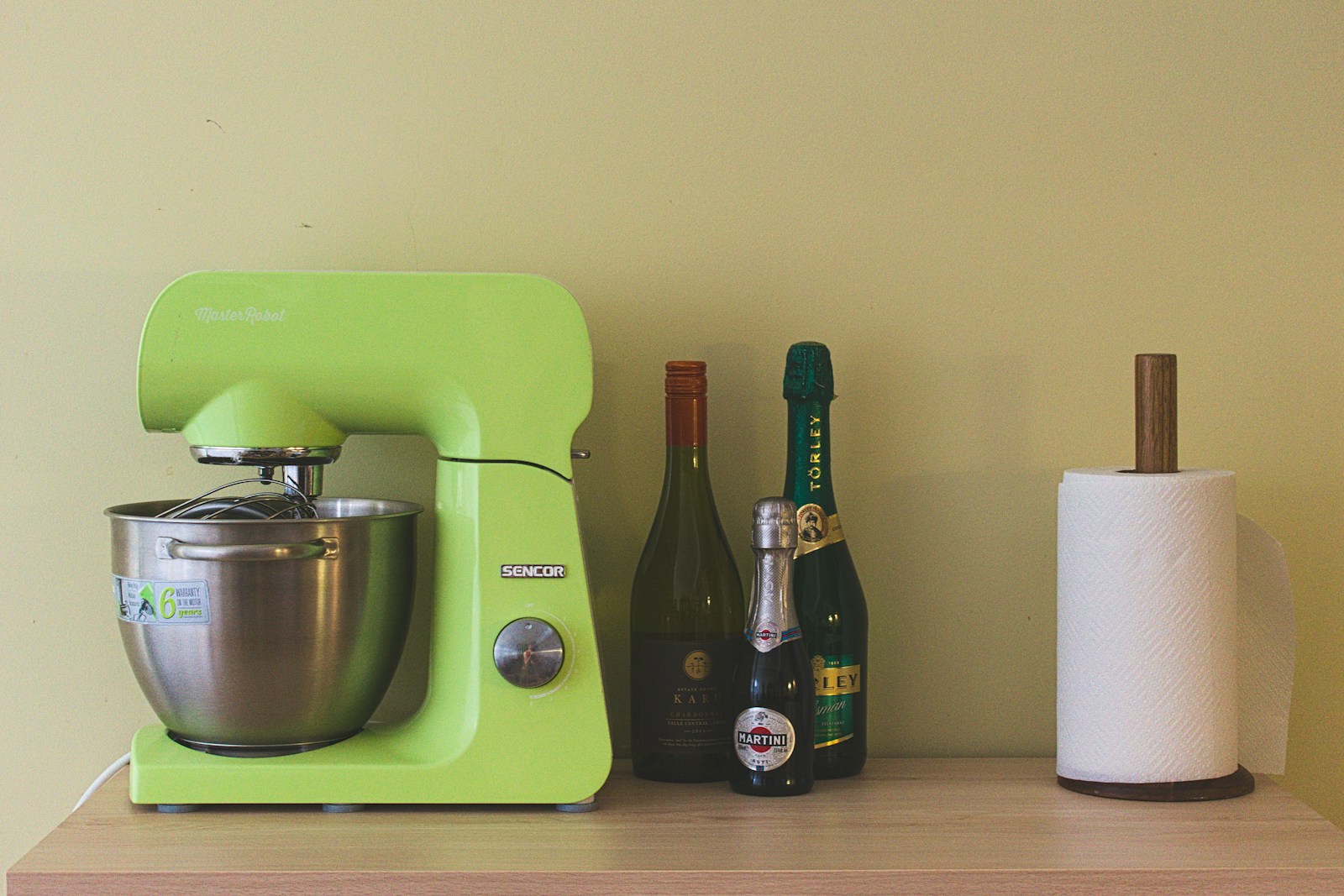
Step into a 1970s kitchen and it is instantly clear that this was the decade when color, gadgets, and a little bit of chaos all collided. From avocado appliances to patterned floors, these rooms were the backdrop for weeknight casseroles and big holiday spreads. Here are 10 things that showed up so reliably that they might as well have come standard with the house keys.
1) The Electric Carving Knife
The electric carving knife was the undisputed star of 1970s holiday meals, humming away beside the turkey or roast. Guides to the era’s must-have tools single it out as a defining gadget, with electric knives topping lists of kitchen innovations that changed home cooking. Plugged in at the dining table, it sliced neat portions that made traditional carving knives look old-fashioned almost overnight.
Remember and They are both wrapped up in the nostalgia for this tool, which symbolized how convenience was starting to matter as much as technique. For busy home cooks juggling work, kids, and social lives, pressing a button instead of sawing through a roast felt like progress. It also hinted at a bigger trend, where small appliances promised to streamline every step of a meal, from prep to plating.
2) Avocado Green Appliances
Avocado green appliances were the visual shorthand for a 1970s kitchen, splashing that unmistakable shade across refrigerators, stoves, and even dishwashers. One nostalgic account flatly states that every kitchen had an avocado green or harvest gold appliance, and After those colors took off they spread to hand mixers, coffee pots, and blenders too. In the early 70s, In the family kitchens described in retro forums, even the wall-mounted telephone and sink joined the green wave.
Design retrospectives note that these bold hues are among the ideas people are still tempted to steal from 1970s kitchens, precisely because they gave appliances personality. You can spot that palette instantly in old photos, and You did not need a timestamp to know the decade. The look signaled a shift away from sterile white utility toward kitchens that felt expressive, coordinated, and a little bit playful.
3) Fondue Pots
Fondue pots turned 1970s kitchens into instant party zones, bubbling away with cheese or chocolate while guests hovered with skewers. Gen X commenters looking back on “forgotten things” from 50 years ago describe fondue sets as practically mandatory for entertaining, right up there with shag rugs and stereo consoles. A roundup of those memories calls out fondue as a go-to centerpiece whenever friends came over.
These pots fit perfectly with the decade’s love of interactive, communal food, where everyone cooked at the table instead of being served from the kitchen. Families remember cheese fondue nights as much as formal dinners, and the gear itself, often in bright enamel or patterned metal, doubled as decor. The trend also showed how 1970s kitchens were becoming social spaces, not just back-of-house workrooms where one person cooked in isolation.
4) Stand Mixers in Retro Colors
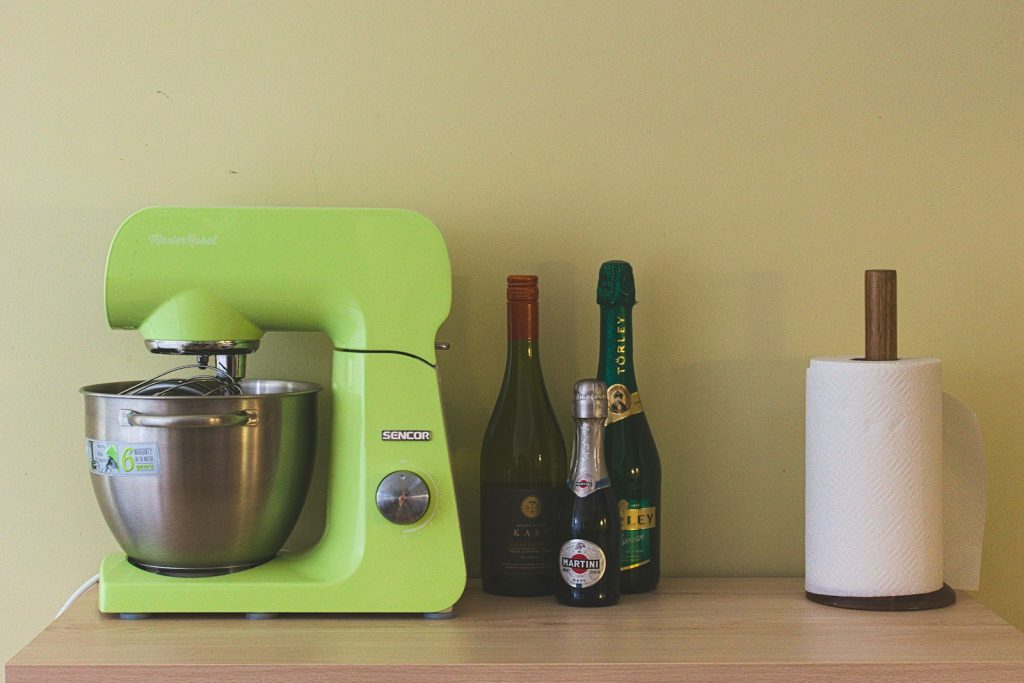
Stand mixers in avocado and harvest tones anchored countless 1970s countertops, ready for everything from layer cakes to molded salads. Lists of vintage appliances point out that avocado-colored stand mixers sat alongside gold-toned refrigerators, proving that even heavy-duty gear followed the same color rules as the rest of the room. These machines were built to last, with solid metal bodies that could handle dense bread dough and endless batches of cookies.
Families who grew up with these mixers remember them whirring away during holiday baking marathons, often right next to matching crock-pots or blenders. Their presence hints at how seriously home baking was taken, long before stand mixers became aspirational status symbols again. In the 1970s, they were simply practical workhorses that also happened to match the curtains, tying together the era’s obsession with coordinated, personality-filled kitchens.
5) Wood-Paneled Cabinets
Wood-paneled cabinets wrapped 1970s kitchens in a warm, slightly rustic hug, even in the middle of the suburbs. Design retrospectives on ideas to borrow from 1970s cabinetry point to those paneled doors and grainy finishes as key to the decade’s earthy vibe. Whether it was dark walnut or lighter oak, the look aimed to make the kitchen feel like a cozy, lived-in space rather than a sterile workspace.
That wood-heavy aesthetic also reflected broader trends toward natural textures, which showed up in everything from wall paneling to dining sets. In many homes, the cabinets blended into matching wood-paneled breakfast nooks, creating a continuous envelope of brown. It was not subtle, but it did make the kitchen feel like the heart of the house, where people lingered over coffee, homework, and late-night snacks.
6) Tupperware Collections
Tupperware collections were the quiet backbone of 1970s kitchen organization, stacked in cupboards and crammed into fridge shelves. Instead of buying them off the rack, many families picked up their sets through party sales hosted in living rooms, where neighbors swapped storage tips along with gossip. Those gatherings turned plastic containers into social currency, with hosts earning freebies and guests comparing which colors they had.
The airtight lids made leftovers feel modern and thrifty, a big deal in an era of rising packaged foods and busy schedules. Kids remember opening lunchboxes to find sandwiches and snacks tucked into familiar pastel tubs. Entire pantries were organized around these pieces, and the sight of a leaning tower of mismatched lids is still enough to transport many Gen Xers straight back to their childhood kitchens.
7) Countertop Microwaves
By the late 1970s, countertop microwaves were muscling their way into pride of place, even if they were bulky and a little intimidating. Guides to the best gadgets of each decade describe how these early microwave ovens shifted from luxury curiosities to everyday tools for reheating and defrosting. Families quickly learned that a baked potato could be ready in minutes instead of nearly an hour.
The arrival of the microwave changed how people thought about meals, making quick solo dinners and late-night snacks far easier. It also nudged kitchens toward the plug-in future, where more and more tasks were handed off to specialized machines. Even if some cooks were skeptical at first, the convenience was hard to ignore, and the humming box on the counter soon became a permanent fixture.
8) Electric Can Openers
Electric can openers were another small but telling sign that 1970s kitchens were chasing convenience wherever they could find it. Gen Xers reminiscing about “forgotten” household habits point to these gadgets as everyday time-savers that quietly replaced manual crank openers. One collection of memories notes how they erased the hassle of wrestling with tins of soup, vegetables, and fruit cocktail.
Mounted under cabinets or sitting on the counter, they were always ready for the next casserole or tuna salad. Their popularity also hints at how heavily families relied on canned goods, from condensed soups to pineapple rings. By automating such a basic task, electric openers fit right in with the decade’s broader push toward gadgets that promised to shave a few minutes off every chore.
9) Bold Linoleum Floors
Bold linoleum floors turned 1970s kitchens into graphic statements, with geometric patterns and harvest tones stretching wall to wall. Design writers looking back at patterned linoleum flooring describe checkerboards, diamonds, and swirling motifs in shades of gold, brown, and orange. The material was practical, easy to mop, and tough enough to handle dropped pots and endless foot traffic.
Visually, those floors tied together the era’s love of color, echoing the avocado appliances and wood cabinets above. In many homes, the pattern was so strong that it became the room’s defining feature, instantly recognizable in old family photos. The look might feel loud by today’s standards, but it captured the 1970s belief that even the most functional surfaces could have personality.
10) Unsupervised Cookie Jars
Unsupervised cookie jars on the counter summed up a very different approach to childhood and kitchen rules in the 1970s. Essays on the small freedoms kids had back then describe how youngsters could help themselves to snacks, with ceramic jars of treats sitting in plain sight. One reflection on those small freedoms argues that this kind of access helped build independence and self-control.
Parents might set loose guidelines, but they were not hovering over every cookie grab, trusting kids to figure out when enough was enough. That casual attitude fit with a broader culture of latchkey afternoons and unsupervised play, where the kitchen was both pantry and pit stop. The cookie jar, always within reach, became part of the daily rhythm, as ordinary and expected as the clatter of pots on the stove.
More from Vinyl and Velvet:

Leave a Reply