

The 2000s were a wild time for celebrity culture, when red carpets and reality TV collided with tabloid headlines in a way that still shapes pop gossip today. From awards-show chaos to personal meltdowns, certain scandals from that decade refuse to fade from memory. Here are 12 celebrity scandals from the 2000s people still talk about, and how they helped rewrite the rules of fame.
1) The Oscars’ long history of controversy
The Academy Awards might look polished on TV, but its reputation is built on a long string of awkward moments, snubs, and full-blown scandals. A detailed rundown of Oscars controversies shows how everything from shocking wins to tone-deaf jokes has turned the ceremony into a magnet for drama. Even when the chaos is not criminal or career-ending, it sticks in the public memory because the Oscars are supposed to represent Hollywood at its most glamorous and controlled.
That tension between prestige and mess is exactly why people still dissect 2000s-era Oscar nights. Every unexpected upset, awkward speech, or off-color bit fed into bigger conversations about who gets rewarded in Hollywood and why. The stakes were not just trophies, but questions of taste, representation, and power. When a single telecast can spark think pieces, fan wars, and industry backlash, it becomes more than a show, it becomes a cultural fault line.
2) Britney Spears’ public breakdown
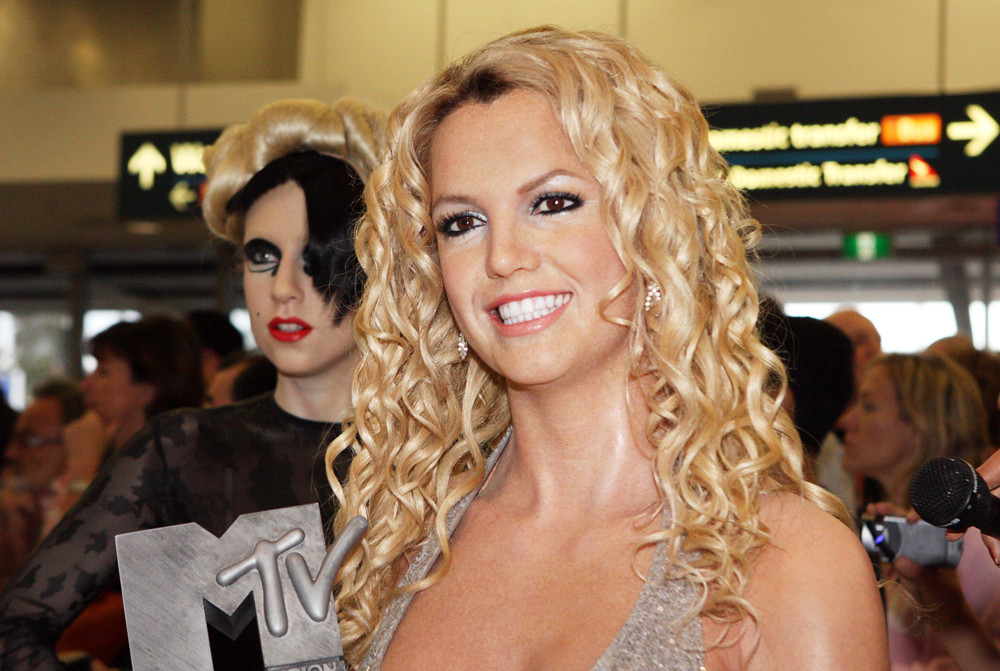
Britney Spears’ mid-2000s unraveling remains one of the defining celebrity scandals of the era, in part because it exposed how brutal the fame machine could be. Paparazzi followed her relentlessly as she shaved her head, attacked a photographer’s car with an umbrella, and cycled in and out of rehab. Those images were treated as entertainment at the time, replayed on loop, even as they clearly showed a young mother in crisis rather than a punchline.
The fallout reshaped how people talk about mental health and media ethics. Her eventual conservatorship, and the later backlash to it, forced fans and journalists to reckon with how much the 2000s culture of mockery contributed to her situation. The scandal was not just Britney’s behavior, it was the ecosystem that profited from every breakdown, and that legacy still fuels debates about privacy and exploitation today.
3) Janet Jackson and the Super Bowl “wardrobe malfunction”
Janet Jackson’s 2004 Super Bowl halftime show with Justin Timberlake turned into one of the most infamous live-TV scandals of the decade. A brief flash of Jackson’s breast, described as a “wardrobe malfunction,” triggered a wave of complaints, Federal Communications Commission scrutiny, and years of fallout for her career. The moment became shorthand for broadcast indecency, even though it lasted less than a second and was clearly the result of a staged costume reveal gone wrong.
The controversy exposed a double standard that still gets discussed. Jackson bore the brunt of the backlash, with blacklisting and reduced airplay, while Timberlake’s career largely sailed on. The incident also pushed networks to adopt longer broadcast delays and stricter content controls, showing how a single pop performance could reshape media policy and conversations about race, gender, and responsibility in entertainment.
4) Tom Cruise’s couch-jumping and Scientology spotlight
Tom Cruise turning up on daytime TV in the mid-2000s and jumping on a couch while professing his love for Katie Holmes instantly became late-night joke material. The over-the-top display, combined with his public criticism of psychiatric medication and his outspoken ties to Scientology, shifted his image from untouchable movie star to something more polarizing. What might have been a quirky moment instead became a symbol of how tightly controlled celebrity personas can suddenly crack.
The scandal mattered because it showed how quickly public affection can flip when a star’s off-screen beliefs overshadow their work. Cruise’s behavior sparked broader curiosity and skepticism about Scientology, and it raised questions about how much fans want to know about a celebrity’s personal convictions. The episode is still referenced whenever a carefully managed A-lister veers into unpredictable territory on live television.
5) The rise and fall of Paris Hilton’s party-girl image
Paris Hilton dominated early-2000s gossip as the ultimate party heiress, with leaked tapes, DUI arrests, and nightclub photos defining her public persona. Her reality show persona as a clueless rich girl blurred into real life, making every misstep feel like part of an ongoing performance. The scandals around her private videos and legal troubles were treated as must-see spectacle, feeding a 24/7 tabloid cycle that thrived on humiliation and voyeurism.
Looking back, her notoriety helped set the template for influencer culture and the idea of being “famous for being famous.” The way her scandals were monetized, from club appearances to branded products, showed how controversy could be turned into a business model. At the same time, the backlash she faced highlighted how young women in the spotlight were often punished more harshly than their male counterparts for the same behavior.
6) Lindsay Lohan’s legal troubles and career derailment
Lindsay Lohan went from critically praised actor to tabloid fixture in what felt like record time. After early success, her 2000s were marked by DUIs, missed court dates, and stints in rehab that played out in public. Each new mugshot or courtroom appearance chipped away at the promise of her early career, turning her into a cautionary tale about child stardom and Hollywood excess rather than the bankable lead she once seemed destined to be.
The stakes were high not just for Lohan, but for studios and insurers wary of casting someone perceived as unreliable. Her struggles forced conversations about how the industry supports, or fails, young actors dealing with addiction and pressure. Even now, her name is shorthand for a certain kind of 2000s meltdown, illustrating how hard it can be to reclaim a narrative once scandal becomes the main storyline.
7) Mel Gibson’s DUI arrest and anti-Semitic rant
Mel Gibson’s 2006 DUI arrest became a career-defining scandal when reports emerged that he launched into an anti-Semitic tirade against the officers involved. The incident shattered his image as a beloved leading man and action star, raising serious questions about bigotry and accountability in Hollywood. Apologies followed, but the words attributed to him were specific and ugly enough that they could not be brushed off as a simple lapse in judgment.
The fallout showed how public tolerance for certain behavior was shifting in the 2000s. Studios distanced themselves, and his name became entangled with debates about whether powerful figures should be forgiven or sidelined after hateful speech. The scandal still comes up whenever he appears in new projects, proving how some moments leave a permanent mark on a celebrity’s legacy.
8) The Brangelina affair and tabloid triangle
When Brad Pitt and Angelina Jolie connected on the set of “Mr. & Mrs. Smith,” it ignited one of the decade’s most obsessive tabloid storylines. Rumors that their relationship began while he was still married to Jennifer Aniston turned a private breakup into a global soap opera. Magazine covers dissected every glance and quote, painting Jolie as a homewrecker, Aniston as the wronged wife, and Pitt as the man in the middle of a very public triangle.
The scandal mattered because it showed how celebrity relationships could fuel an entire media economy. Fans picked sides, gossip outlets sold narratives, and the trio’s every move was framed as a new chapter in an ongoing drama. It also highlighted how women in these stories were often pitted against each other, while the man at the center faced comparatively less scrutiny for the same choices.
9) Michael Jackson’s 2005 trial
Michael Jackson’s 2005 criminal trial on child molestation charges was one of the most watched legal spectacles of the 2000s. Cameras camped outside the courthouse, fans gathered daily, and every testimony detail was dissected in real time. Although he was acquitted, the allegations and the intense coverage permanently altered how many people viewed him, turning his private life into a global referendum on fame, power, and trust.
The stakes extended far beyond one verdict. The case raised questions about how the justice system handles accusations against extremely wealthy and influential figures, and how media coverage can shape public opinion long before a jury speaks. Even years later, discussions about Jackson’s legacy are inseparable from that trial, showing how some scandals never fully fade, no matter the legal outcome.
10) Winona Ryder’s shoplifting case
Winona Ryder’s arrest for shoplifting from a Beverly Hills department store in the early 2000s stunned fans who knew her as a respected, quirky leading actor. The images of her in court, accused of stealing designer clothes and accessories, clashed sharply with her on-screen persona. For a while, the case overshadowed her work, and she largely disappeared from major studio projects as the industry quietly backed away.
The incident became a touchpoint in conversations about celebrity entitlement and mental health. People debated whether the response was proportionate or punitive, and whether a nonviolent crime should effectively sideline a career. Her eventual comeback years later has been framed as a redemption arc, but the shoplifting scandal remains a key chapter in how audiences remember the 2000s fascination with watching stars fall from grace.
11) The Anna Nicole Smith saga
Anna Nicole Smith’s life and death played out like a tragic reality show long before streaming made that format standard. Her highly publicized marriage to elderly billionaire J. Howard Marshall, legal battles over his estate, and visible struggles with substance use kept her in the headlines. When she died in 2007 after the loss of her son and amid a paternity dispute over her infant daughter, the coverage was relentless and often ghoulish.
The saga exposed how far media would go to turn personal tragedy into content. Court hearings, autopsy details, and custody fights were treated as entertainment, sparking criticism about exploitation and the lack of boundaries around grief. Smith’s story is still cited as an example of how the 2000s blurred the line between celebrity news and human suffering, with lasting implications for how such stories are handled today.
12) The early days of reality TV scandal culture
The explosion of reality TV in the 2000s created a new kind of celebrity scandal, one built into the format itself. Shows about dating, competition, and “real” families thrived on drunken fights, cheating accusations, and shocking eliminations that spilled into tabloids the next day. Contestants who had never been famous before suddenly found their worst moments replayed endlessly, with little control over how they were edited or perceived.
This shift changed the scandal economy. Instead of waiting for a movie star to slip up, networks manufactured drama weekly, and audiences learned to expect a steady drip of outrage. The model paved the way for influencer culture and social media callouts, where personal missteps and messy storylines are part of the brand. Many of the scandals people still reference from that era are less about one person and more about how the entire system was built to keep viewers hooked on chaos.
More from Vinyl and Velvet:

Leave a Reply