

Some sitcom characters fade the second the credits roll, and then there are the ones people are still arguing about decades later. Love, hate, grief, even full-on hate-watching, they all keep these faces alive in the culture. Here are 11 TV characters who prove that once a personality lodges in the collective brain, it is not going anywhere.
1) Lucy Ricardo from I Love Lucy
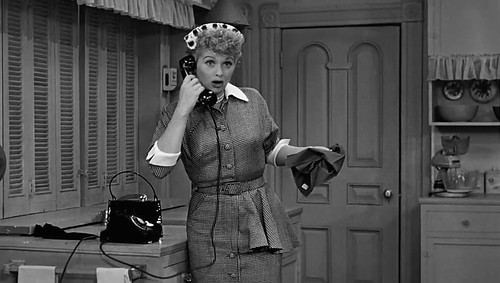
Lucy Ricardo is the blueprint for chaotic sitcom energy, and that chaos still feels fresh even though I Love Lucy ended generations ago. Fans still trade clips of her grape-stomping and chocolate-factory disasters, but they also debate how her scheming would play now. Modern lists of annoying sitcom characters show how audiences keep revisiting old favorites to decide whether the antics are lovable or grating, and Lucy sits right at that crossroads of affection and exasperation.
That tension is exactly why she endures. Lucy is messy, ambitious, and constantly pushing against the limits of her era, which makes her feel weirdly current to viewers who grew up with streaming instead of black-and-white TV. Every new generation discovers the same thing: even when her plans are a disaster, she is the engine of the story, and the conversation around her never really stops.
2) Edith Bunker from All in the Family
Edith Bunker is one of those characters people talk about like she was a real neighbor they lost. On Edith Bunker’s page, she is described as a fictional character on the 1970s sitcom All in the Family played by Jean Stapleton, and it notes that she is married to Archie Bunker and that She is the mother of Gloria. That simple setup turned into a decades-long emotional bond, because Edith’s warmth and confusion in the face of social change felt painfully human.
When fans discuss TV deaths they are still grieving, they often mention long-gone matriarchs whose absence reshaped entire shows, echoing the kind of loss cataloged in lists of main character deaths that viewers are still not over. Edith’s legacy sits in that space, where a gentle presence becomes a moral anchor, and her departure still stings for anyone who watched her hold a fracturing family together.
3) Norm Peterson from Cheers
Norm Peterson turned a barstool into sacred ground. Every time he walked into Cheers and the whole bar shouted his name, it reinforced the fantasy that there is always a place where everybody knows your business and still pours you a beer. That familiarity is exactly why he keeps getting reimagined, including in playful projects that recast sitcom characters as horror villains, where his unmovable presence becomes something darker and more surreal.
Norm’s staying power says a lot about how audiences latch onto side characters who feel like background texture until they quietly become the emotional core. His one-liners about work, money, and marriage still circulate as reaction memes, and the idea of the eternally parked regular at the end of the bar shows up in newer comedies that want that same lived-in, hangout vibe.
4) Carrie Bradshaw from Sex and the City (and And Just Like That…)
Carrie Bradshaw might be one of the most divisive TV leads still on the air, and that is exactly why people cannot quit her. Even viewers who roll their eyes at her choices keep tuning into And Just Like That…, a revival that some critics have flat-out called one of the worst shows on television while admitting that audiences are still watching. The gravitational pull is Carrie’s voice, that familiar narration that once defined a whole era of prestige rom-com TV.
Her staying power shows how nostalgia can override frustration. Fans who grew up with her column-style monologues now watch to see how she navigates aging, grief, and changing New York, even when the plotting feels off. The stakes are personal, not just for Carrie but for viewers measuring their own lives against a character they have been arguing with for decades.
5) Jessica Day from New Girl
Jessica Day is a more recent entry in the sitcom hall of fame, but her quirky optimism already feels like comfort food. The loft dynamic on New Girl often played like a rotating set of couples, breakups, and reconciliations, which mirrors the way reality fans obsess over which couples are still together long after a season ends. Jess’s relationships with Nick, Cece, and the rest of the gang created that same long-term investment in who sticks and who drifts.
What keeps Jess in the conversation is how her relentless sincerity clashes with a world that rewards detachment. Viewers still quote her awkward pep talks and offbeat songs, and they revisit the show when they want proof that found family can survive job changes, bad dates, and cross-country moves. In a TV landscape full of cynicism, her earnestness has become a nostalgic safe zone.
6) Kramer from Seinfeld
Kramer is the human embodiment of a door flying open at the worst possible moment, and that image has not aged a day. His wild entrances, half-baked schemes, and questionable business ideas still fuel debates about whether he is charming or exhausting, the same kind of split that powers lists of horrible TV relationships that people love to hate. He is chaos in vintage shirts, and audiences cannot stop replaying his greatest disasters.
Part of his longevity comes from how modern he feels, even in reruns. Kramer is the guy who would absolutely be trying to monetize a bizarre app or launch a pop-up restaurant in his apartment. That timeless absurdity keeps him relevant in memes, Halloween costumes, and think pieces about how much weirdness a friend group can realistically tolerate.
7) Tara Thornton from True Blood (in a comedic vein)
Tara Thornton technically comes from a supernatural drama, but her sharp sarcasm and exhausted eye-rolls gave True Blood a darkly comic streak. When she was written out, fans reacted with the kind of lingering anger usually reserved for sitcom favorites, echoing the long-term grief captured in rundowns of TV moments people are still not over. Her death felt less like a plot twist and more like losing the one character who always called out the nonsense.
That reaction shows how tone-bending characters can stick, even when the show around them shifts genres. Tara’s mix of vulnerability and biting humor made her feel like the friend who jokes through every crisis, and viewers still bring her up when talking about wasted potential. She lingers as a reminder that killing off the comic relief can permanently change how a series is remembered.
8) Dwight Schrute from The Office
Dwight Schrute is so intense that he practically invites parody, which is why he fits perfectly into projects that imagine sitcom characters as horror villains. His beet farm, survivalist hobbies, and obsession with rules already feel one step away from a slasher backstory, yet he is also the emotional backbone of The Office. Fans still quote his bizarre management philosophies in real workplaces, half as a joke and half as a weirdly effective productivity hack.
Dwight’s longevity comes from that balance of menace and heart. He is loyal to a fault, desperate for recognition, and completely unselfconscious, which makes him endlessly watchable in reruns and reaction clips. As newer workplace comedies try to capture similar lightning, they often echo his archetype, proving how deeply he has shaped the modern idea of the oddball coworker.
9) Miranda Hobbes from And Just Like That…
Miranda Hobbes has gone from fan-favorite realist to lightning rod, and that evolution keeps her at the center of online arguments. Viewers who once saw her as the grounded counterpoint to Carrie now dissect every midlife decision she makes in And Just Like That…, a series that some critics argue people watch precisely because it feels like the worst season of a beloved franchise. The frustration is part of the draw, and Miranda’s arc is often the flashpoint.
Her enduring relevance shows how long-running characters can become mirrors for shifting cultural expectations. Fans project their own anxieties about career, parenting, and sexuality onto her, which raises the stakes of every storyline. Even when the writing stumbles, the debate over whether Miranda is being betrayed or liberated by the narrative keeps her firmly in the zeitgeist.
10) Ross Geller from Friends
Ross Geller is the sitcom nice guy who launched a thousand arguments, and that is exactly why he has not faded. His jealous spirals, “we were on a break” defense, and messy love life with Rachel land him on lists of worst couples that fans still pick apart. Yet the same people who roast him also quote his dinosaur lectures and leather-pants fiasco, proving that annoyance and affection can coexist.
Ross’s staying power lies in how uncomfortably familiar he feels. He is smart but insecure, romantic but controlling, and those contradictions make him a perfect case study for how sitcoms handle male vulnerability. As younger viewers discover Friends on streaming, they keep re-litigating his choices, ensuring that Ross remains a permanent fixture in relationship discourse.
11) Eddie Munson from Stranger Things (comedy-adjacent)
Eddie Munson may not come from a traditional sitcom, but his mix of big-hearted goofiness and metalhead bravado gave Stranger Things some of its funniest, loosest moments. When he died, fans reacted with the kind of long-term heartbreak usually reserved for classic TV icons, echoing the lingering grief described in lists of character deaths people are still not over. His heroic send-off turned a side character into a legend almost overnight.
What keeps Eddie alive in the culture is how instantly complete he felt. From Dungeons & Dragons monologues to awkward cafeteria speeches, he embodied the outcast who finally gets to be the hero. Memes, fan art, and convention cosplay have turned him into a modern cult figure, proving that even a short run can leave a decades-long imprint when a character hits the right emotional chord.
More from Vinyl and Velvet:

Leave a Reply