

Some 90s TV shows did more than fill a primetime slot, they quietly built the blueprint for the way people binge, meme, and obsess over series today. Looking at how they are still ranked among the best of all time, it is easy to imagine them dropping weekly episodes now and instantly taking over timelines. Here are ten 90s staples that would go wildly viral if they premiered in the streaming and TikTok era.
1) Friends
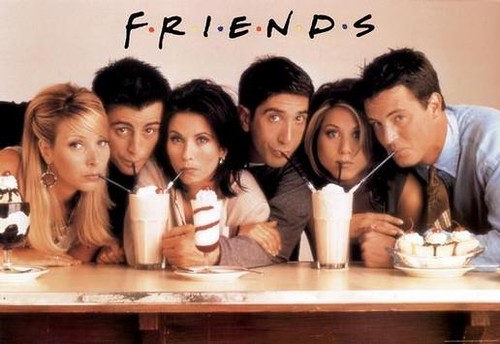
Friends is still treated as appointment viewing, which is why it shows up prominently on lists of the 100 best TV shows that everyone should watch. That kind of staying power hints at how a modern rollout would play online. Every episode ends with a quotable line, a coffee-shop confession, or a relationship cliffhanger that would be clipped into reaction videos within minutes.
In a weekly streaming model, fans would dissect Ross and Rachel the way they now analyze prestige drama couples, complete with Twitter polls and Instagram story debates. The running gags, from “pivot” to the holiday armadillo, are basically pre-packaged meme templates. Brands would jump on Central Perk aesthetics for sponsored posts, and reunion talk would trend every time a cast member posted a behind-the-scenes throwback.
2) Seinfeld
Seinfeld’s reputation as a top-tier sitcom is cemented in modern rankings of the 100 Greatest TV Shows of All Time, which is built from a poll of actors, producers, showrunners, critics, and other insiders. That “show about nothing” structure is perfect for short-form video culture, where a single awkward interaction or petty argument can fuel millions of views. Every episode is basically a series of self-contained bits that could live on TikTok or YouTube Shorts.
In a current release cycle, the Soup Nazi or the puffy shirt would not just be catchphrases, they would be trending audio and cosplay prompts. The observational stand-up segments would be clipped as shareable commentary on dating apps, subway etiquette, or office life. For creators, Seinfeld would be a gold mine of formats to imitate, from “close talker” skits to stitched debates about who was actually right in each argument.
3) The Fresh Prince of Bel-Air
The Fresh Prince of Bel-Air is consistently singled out as essential 90s viewing in curated rundowns of the best TV shows of all time, sitting alongside Crime thrillers, sci-fis, and period epics. That mix of broad comedy and sudden emotional depth is exactly what tends to go viral now. One week it is a goofy school prank, the next it is a raw monologue about family that would dominate discourse threads.
The show’s theme song and Carlton’s dance would instantly become TikTok challenges, with remixes and duets flooding feeds. At the same time, the way it tackled class, race, and belonging would spark think pieces and stitched video essays. In a streaming environment, each serious episode would be clipped as a standalone, shared like a short film that still lands hard for teenagers figuring out their own identity.
4) The X-Files
The X-Files keeps turning up in lists of the 100 Best Sci-Fi TV Shows of All Time, which puts it in the same conversation as Stranger Things, Star Trek, Battlestar Galactica, The Expanse, and Westworld. That kind of company shows how its 90s blend of conspiracy, horror, and slow-burn mythology still hits modern tastes. Dropping weekly today, every “monster of the week” would spawn Reddit breakdowns and YouTube explainers.
Mulder and Scully’s dynamic would be shipped relentlessly, with fan edits set to moody pop tracks. The overarching alien-abduction plot would feed the same appetite that drives true-crime podcasts and ARG-style TikTok mysteries. Brands and creators would lean into “I want to believe” aesthetics for everything from merch drops to escape-room collabs, turning each season into a cross-platform guessing game.
5) Buffy the Vampire Slayer
Buffy the Vampire Slayer is regularly ranked among the best 100 TV shows for the way it turned a teen horror premise into a long-running story about empowerment. That 90s mix of high-school melodrama and literal demons would slide neatly into today’s fandom-heavy internet. Each “big bad” season arc would be tracked like a Marvel phase, with theory threads and spoiler-avoidance rituals.
Buffy’s metaphor-heavy storytelling, where monsters stand in for trauma, addiction, or toxic relationships, would light up modern conversations about mental health and feminism. Clips of key speeches would circulate on Instagram and X as motivational posts. Cosplay communities would keep the fashion alive, from leather jackets to scythes, and every new viewer discovering the show would add to a rolling wave of live-tweet rewatches.
6) Dexter’s Laboratory
Dexter’s Laboratory earns a spot among the 32 best Cartoon Network shows of all time, which underlines how its late-90s run still resonates. The show’s sharp, minimal art style and quick-hit gags feel tailor-made for looping GIFs and short clips. Dexter’s secret lab reveals, Dee Dee’s chaotic entrances, and the mock-heroics of “Monkey” would all become endlessly shareable reaction material.
In a modern context, the series would also feed STEM and maker culture. Fans would build real-life versions of Dexter’s gadgets on YouTube, while educators would use episodes to spark interest in science. The exaggerated sibling rivalry and “do not push this button” energy would translate into viral skits, with kids and adults recreating scenes using phone cameras and basic editing apps.
7) The Simpsons
The Simpsons is entrenched in rankings of the Top 100 Best TV Shows of All Time, a list that IGN and collaborators assembled to spotlight 100 standout series. Its 90s seasons in particular are already meme factories, with screenshots and quotes circulating daily. If those episodes were premiering now, each satirical jab at politics, pop culture, or suburban life would be clipped and subtitled within hours.
The long-running joke that the show “predicts the future” would only intensify in the age of viral conspiracy threads. Every time a real-world event vaguely matched an old gag, fans would resurface the clip and push it back into trending territory. For streamers and commentators, live reactions to new episodes would become a weekly ritual, turning Springfield into a constant reference point for online debates.
8) Dawson’s Creek
Dawson’s Creek helped define the 90s teen-drama template, and its use of pop songs lines up neatly with how modern series revive older tracks. Recent coverage of how shows like Stranger Things and Beef give old pop songs new life shows the playbook Dawson’s Creek was already running with its soundtrack-heavy storytelling. If it aired today, every breakup or dockside confession would send a different 90s ballad up the streaming charts.
Beyond the music, the show’s wordy, self-aware dialogue would fuel endless discourse about teen relationships and privilege. Clips of the infamous “crying Dawson” moment would be remixed into reaction memes, while fans would argue over ships in long comment threads. The small-town setting, complete with creeks, porches, and video stores, would become a nostalgic aesthetic for mood boards and fan edits.
9) Twin Peaks
Twin Peaks is a fixture in curated rundowns of the 100 greatest TV shows, where a poll-driven methodology highlights how influential its surreal mystery remains. Dropping in today’s environment, each episode would be treated like a puzzle box. Fans would pause to analyze every red curtain, log, and dream sequence, then upload frame-by-frame breakdowns.
The show’s mix of small-town soap opera and unsettling horror would inspire elaborate theory threads that read like unboxing videos for clues. Coffee, cherry pie, and the Black Lodge would become instant visual shorthand in memes and merch. For creators, Twin Peaks would offer a shared language of weirdness, letting them reference scenes in everything from music videos to indie games while audiences eagerly connect the dots.
10) Trading Spaces
Trading Spaces helped pioneer the home-makeover format that still dominates unscripted TV, and its influence is visible in coverage of the 10 Most Anticipated TLC Shows Returning in 2025, where nostalgia for earlier reality styles drives excitement. If its 90s run launched now, every reveal would be clipped for TikTok, with viewers stitching their shocked reactions to bold paint choices and risky DIY builds.
The show’s structure, where neighbors redesign each other’s rooms on a budget, is perfect for viral debate. Interior designers on Instagram would critique each episode, while DIY creators would post “fixes” or budget-friendly recreations. The occasional disaster room would trend as a cautionary tale, feeding a broader conversation about design, consent, and the line between entertainment and people’s actual homes.
More from Vinyl and Velvet:

Leave a Reply