

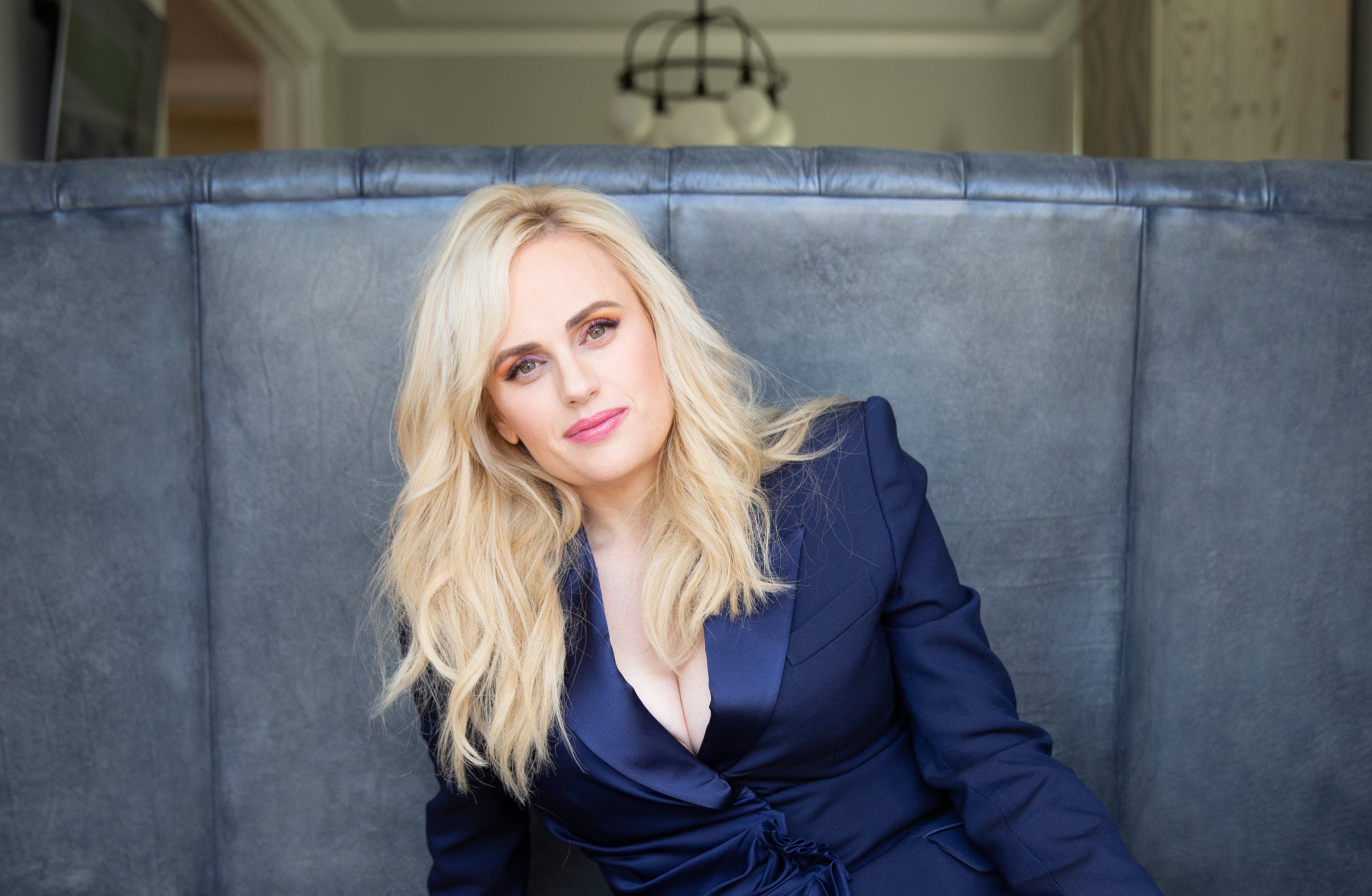
Rebel Wilson is turning one of the most private chapters of her life into a public conversation about shame, timing and consent. The actor and writer has confirmed that she did not have sex until she was 35, and she is adamant that there is nothing wrong with that timeline. By laying out the story in her memoir and in follow-up interviews, she is challenging the idea that sexual milestones must happen on a schedule set by anyone else.
Her candor arrives at a moment when celebrity confessions are often treated as clickbait, yet Wilson is using her own late start to argue for less pressure on young people and more respect for individual readiness. Instead of treating her experience as a punchline, she frames it as a deliberate choice that ultimately left her feeling more in control of her body and her story.
From private anxiety to public admission
Wilson’s decision to speak openly about first having sex at 35 did not come easily. She has described years of quietly leaving rooms when friends compared “numbers,” only to sit with the fear that her own age would make her look, in her words, “like the biggest loser” once she finally admitted it. That tension, between personal comfort and social expectation, runs through her reflections on how long she waited and why she now wants others to know they are not alone in making a similar choice, a theme she develops at length in Rebel Rising.
In recounting those years, Wilson has said that, when conversations turned to sex, she would sometimes joke that she had done it “to just get it over with when I was like 23,” a line she used to deflect questions and avoid revealing the truth about her inexperience. That invented story, she later admitted, was a shield against a culture that treats virginity as something to discard quickly rather than a boundary to cross on one’s own terms, a dynamic she revisits when she talks about how she finally told friends the real age and why she had waited until 35 to do it, as detailed in her comments about how she used to talk to friends at 23 in one interview.
Why 35, and why speak now?
Wilson has been explicit that the age itself, 35, is less important than the fact that she finally felt ready. She has said she imagined intimacy for years, but that actually going through with it required a level of emotional safety she had not found earlier in life. That perspective is echoed in her explanation that she did not experience her first orgasm until 39, a detail she includes to underline how long it can take to feel fully at ease in one’s own body, even after intercourse has begun, a point she lays out in more detail when she notes that, although she first had sex at 35, she reached that later milestone at 39 in her account.
Her choice to go public now is tied directly to the release of her memoir and to a broader desire to “take the pressure off other late bloomers” by normalizing different timelines. She has said that, for years, she internalized the idea that everyone was supposed to have sex as a teenager, a belief reinforced when she watched the comedy 40-Year-Old Virgin and worried she might become a real-life version of the joke. Now, she frames her story as proof that waiting can be “absolutely incredible” if it means crossing that threshold with genuine enthusiasm and consent, a message she connects to her hope of easing social pressure in an interview where she stresses wanting to take that weight off others who did not have sex until 35 in a detailed discussion.
Rewriting the script on “late bloomers”
Wilson’s story also includes the revelation of who she was with when she finally chose to have sex, a detail she shares not for gossip value but to underline that the relationship felt safe and mutual. She has identified the actor Mickey as the partner involved and has said that he was “the first person to read” her tell-all so he would understand that she had been a virgin when they met, a disclosure she framed as part of being honest about her past and about how that relationship fit into her larger journey, as she explained when she told the New York Times and others that Mickey had been given that context.
Her willingness to attach names and ages to the story has also meant confronting the way pop culture treats virginity as a punchline. Wilson has joked that she almost wished it were an April Fools’ gag when people first saw the headline about her losing her virginity at 35, but then added that she was “so glad” it happened on her own terms and at an age when she felt more than ready, a contrast she draws sharply in a conversation where she emphasizes that, but for the joke, she is proud of how it unfolded in her life in a follow-up interview.
Challenging the pressure on young people
Underlying all of this is a critique of how early and how intensely young people are pushed toward sex. Wilson has been blunt that “you shouldn’t feel pressure as a young person” to have intercourse just to fit in, a line that directly counters the peer dynamics she remembers from her own youth and that many teenagers still face. She has described how she would “normally” leave the room when sex talk started, a small act of self-protection that, in hindsight, shows how alienating those conversations can be for anyone whose experience does not match the perceived norm, a point she underscores when she recalls how, normally, she would simply walk away from such discussions in her reflections.
Her comments sit alongside a broader set of revelations in her memoir, where she also writes about her status as a “late bloomer” in other areas and even jokes about how little she knew about orgasms before her late thirties. Those passages, which appear alongside chapters about figures like Sacha Baron Cohen, reinforce the idea that sexual development is just one thread in a much larger life story. By placing her confession about being 35 next to career highs, conflicts and personal growth, she implicitly argues that virginity is not a defining trait but one detail among many, a framing that is echoed in coverage that simply notes, “Rebel Wilson Reveals She Lost Her Virginity” at that Age without treating it as the sum of who she is in one write-up.
Owning the narrative in a data-driven culture
Wilson’s disclosures are landing in a media environment where intimate details are quickly scraped, sorted and resurfaced by algorithms that treat every confession as content. Her story about waiting until 35 is now part of a searchable trail that can be pulled into recommendation systems and shopping feeds as easily as a movie credit, a reality that mirrors how tools like Google’s Shopping Graph ingest Product information from across the web. In that context, her insistence on telling the story in her own words, in a book she controls and in interviews where she sets the tone, becomes a form of digital self-defense as much as personal vulnerability.
At the same time, the coverage of her admission has highlighted the specific language she uses to push back on stigma. Reports have quoted her stressing that “you shouldn’t feel pressure as a young person,” that waiting until 35 is “okay,” and that she is “so glad” she lost her virginity on her own terms, lines that have been repeated in summaries that note how Rebel Wilson framed the experience and in analyses that emphasize how, although she first had sex at 35, she did not reach other milestones until later, as one profile notes. Another account, which opens by stating that, Mar or not, she was clear about the number 35 and about how You should not feel rushed, even plays on the idea that her “Pitch Perfec” persona might have made the revelation more surprising, a reminder that public images rarely capture private timelines, as seen in coverage that spells out that she lost her virginity at 35 in one widely shared story.
Her willingness to revisit the topic repeatedly, including in a later conversation where she elaborated that, But for the joke about April Fools’, she is genuinely relieved she waited, shows a determination to keep the focus on consent and self-knowledge rather than on the shock value of the number, a nuance she underscores again when Rebel Wilson circles back to how she used to lie about being 23 just to avoid further questions.
More from Vinyl and Velvet:

Leave a Reply