

Nearly three decades after 6‑year‑old JonBenét Ramsey was killed in the basement of her Boulder home, her father says a new trove of material and technology could finally crack the case. John Ramsey has framed the latest developments as “new evidence” that might at last identify who murdered his daughter, even as he remains shut out of the specifics. His renewed optimism comes as investigators quietly expand testing, gather fresh leads and lean on advanced DNA tools that did not exist in 1996.
For a family that has lived under suspicion, scrutiny and grief for almost 30 years, the suggestion that the investigation is meaningfully shifting is not a casual claim. John Ramsey, now 82, has spent years pressing authorities to revisit old samples and embrace cutting‑edge forensic methods, and he is signaling that the current push feels different. The question is whether this moment represents a genuine turning point or another painful cycle of raised hopes and limited answers.
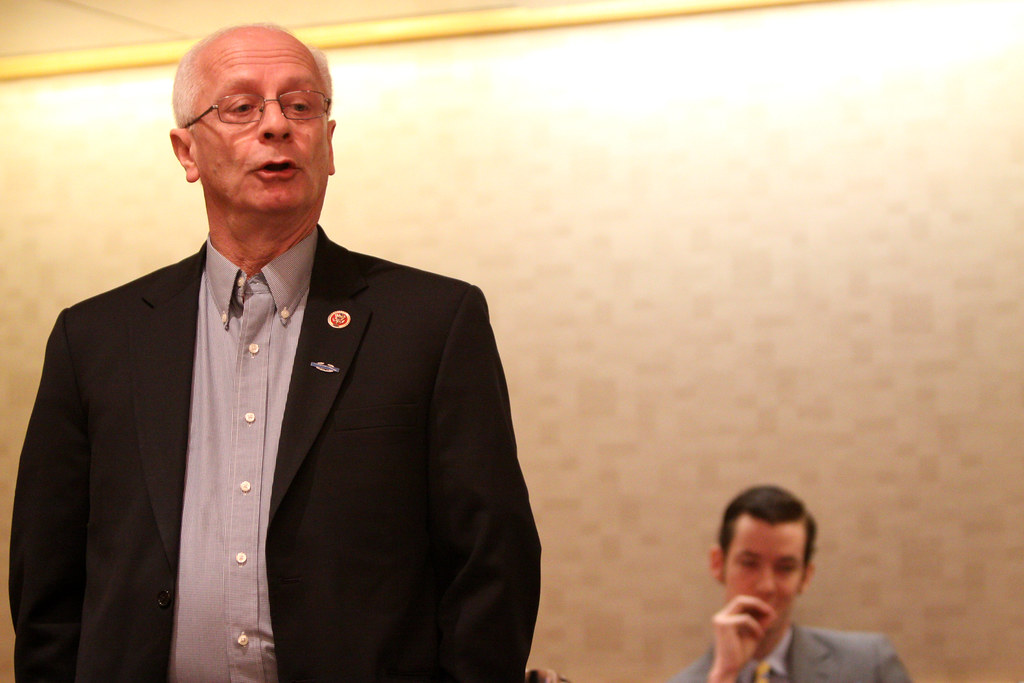
The father’s guarded optimism about “new evidence”
John Ramsey has been careful to distinguish between hope and certainty, but he has made clear that he sees the latest investigative activity as a real opening. In an interview highlighted as an EXCLUSIVE, the piece describes a “Devastated Father John Believes Daughter Murder Will Finally Be Solved After Nearly Thre” decades, underscoring how long he has waited for a break. He has said that the emotional toll of the unsolved case has been profound, affecting everything from his public reputation to his private relationships, yet he continues to insist that the truth is reachable. That blend of exhaustion and resolve is what gives his current comments about progress their weight.
Part of Ramsey’s optimism stems from what he has been told by current leadership in Boulder. He has pointed to conversations with officials, including references to “new evidence,” as signs that the case is not simply being maintained but actively pushed forward. In one account, he recalled being encouraged by a police chief’s remarks about fresh material and the addition of new leadership in the department, comments that surfaced in coverage of John speaking on Banfield and citing Chief Redfearn by name. That kind of direct engagement, after years in which the family often felt stonewalled, has helped convince him that the investigation is entering a more serious phase.
Police say they are still testing, collecting and re‑testing
Behind Ramsey’s public comments is a quieter but significant shift in how authorities describe their own work. Investigators have said they are still collecting and testing physical material in the case, emphasizing that the evidence is not static. One detailed update noted that Police continue to process items from the Ramsey home and that progress is being made, with the report explicitly citing the figure 59 in connection with the scope of their work. That kind of granular accounting, even without disclosing specific items, signals that the case file is being actively re‑examined rather than simply archived.
Officials have also confirmed that they have gathered additional material that they classify as new. Colorado investigators in DENVER have said that they have New evidence in the Ramsey case, describing it as part of a broader effort across Colorado to revisit unsolved homicides. While they have not publicly detailed what those items are, they have framed the additions as potentially meaningful leads rather than routine paperwork. That language, combined with the ongoing testing and re‑testing of older samples, suggests a multi‑layered strategy that blends fresh information with a re‑evaluation of what has been in the file since 1996.
DNA technology and the push for modern testing
The most consequential change in the JonBenét investigation may be the tools now available to analyze what was collected decades ago. Investigators have said they have “collected new evidence and tested and re‑tested other pieces of evidence to generate new leads,” explicitly tying their work to advances in Technique related to DNA testing. Those methods include far more sensitive profiling than was possible in the late 1990s, as well as the ability to work with degraded or mixed samples that older systems could not reliably interpret. For a case that hinges on items like clothing, ligatures and a ransom note, the potential to extract new genetic information from old evidence is significant.
Ramsey himself has become a vocal advocate for these tools, arguing that they represent the best chance to identify his daughter’s killer. He has said he is “absolutely convinced” that modern DNA analysis is the gold standard and has criticized earlier approaches as “primitive,” urging authorities to fully embrace the latest methods. In one detailed report, Ramsey described pushing hard for more sophisticated testing and for outside experts to get involved in the case. That advocacy has helped keep pressure on local officials to partner with cutting‑edge labs and to consider techniques like genealogical matching that have solved other long‑cold homicides.
A father kept at arm’s length from the details
For all the talk of progress, John Ramsey has repeatedly stressed that he and his family remain largely in the dark about what investigators have actually found. He has said that, despite being 82 and having devoted much of his life to seeking answers, he has not been briefed on the specifics of the new material or how it is being analyzed. In one account, John Ramsey described learning about developments largely through public statements and media reports, even as he continues to argue that key items from the crime scene could yield results if subjected to modern testing. That disconnect between his central stake in the case and his limited access to information is a recurring source of frustration.
Ramsey has gone further, accusing local authorities of being overly protective of the file. In an interview clip shared on social media, he said that John Ramsey believes Boulder investigators have been “guarded” with new evidence, suggesting a reluctance to share even high‑level updates with the family. That criticism reflects a long‑running tension between the Ramseys and the Boulder Police Department, rooted in the early years of the investigation when the parents themselves were treated as prime suspects. While officials argue that confidentiality is essential to protect the integrity of the case, the family sees the continued secrecy as an unnecessary barrier to collaboration that could help generate new leads.
Tips, public interest and the long shadow of an unsolved case
Even after nearly 30 years, the JonBenét case continues to draw intense public attention, and investigators are trying to harness that interest in more structured ways. A recent update noted that Investigators received more than two hundred electronic tips within the first forty‑eight hours of a new portal’s launch, a volume that underscores how many people still feel connected to the case. Authorities have said that these submissions are being reviewed alongside the physical evidence, with the goal of identifying patterns or corroborating details that might align with what is already known from the crime scene. The challenge is separating credible information from speculation in a case that has spawned countless theories.
For Ramsey, the combination of new evidence, advanced testing and a structured tip system has become a source of cautious optimism. He has described the latest developments as “encouraging,” framing them as a sign that the investigation is finally moving beyond maintenance and into active problem‑solving. One detailed report noted that Ramsey sees the new details as a genuine source of optimism, even as he acknowledges that the crime scene in the basement room of the Ramsey home can never be revisited. Another account, describing how JonBenét Ramsey was just 6 years old and died from strangulation associated with craniocerebral trauma, paired a current image of Ramsey with a photo of his daughter, a visual reminder of the human stakes behind the forensic jargon. As one summary put it, Nearly 30 years after 6‑year‑old JonBenét Rams was killed, the case still casts a long shadow over Boulder and over American true‑crime culture.
More from Vinyl and Velvet:

Leave a Reply