

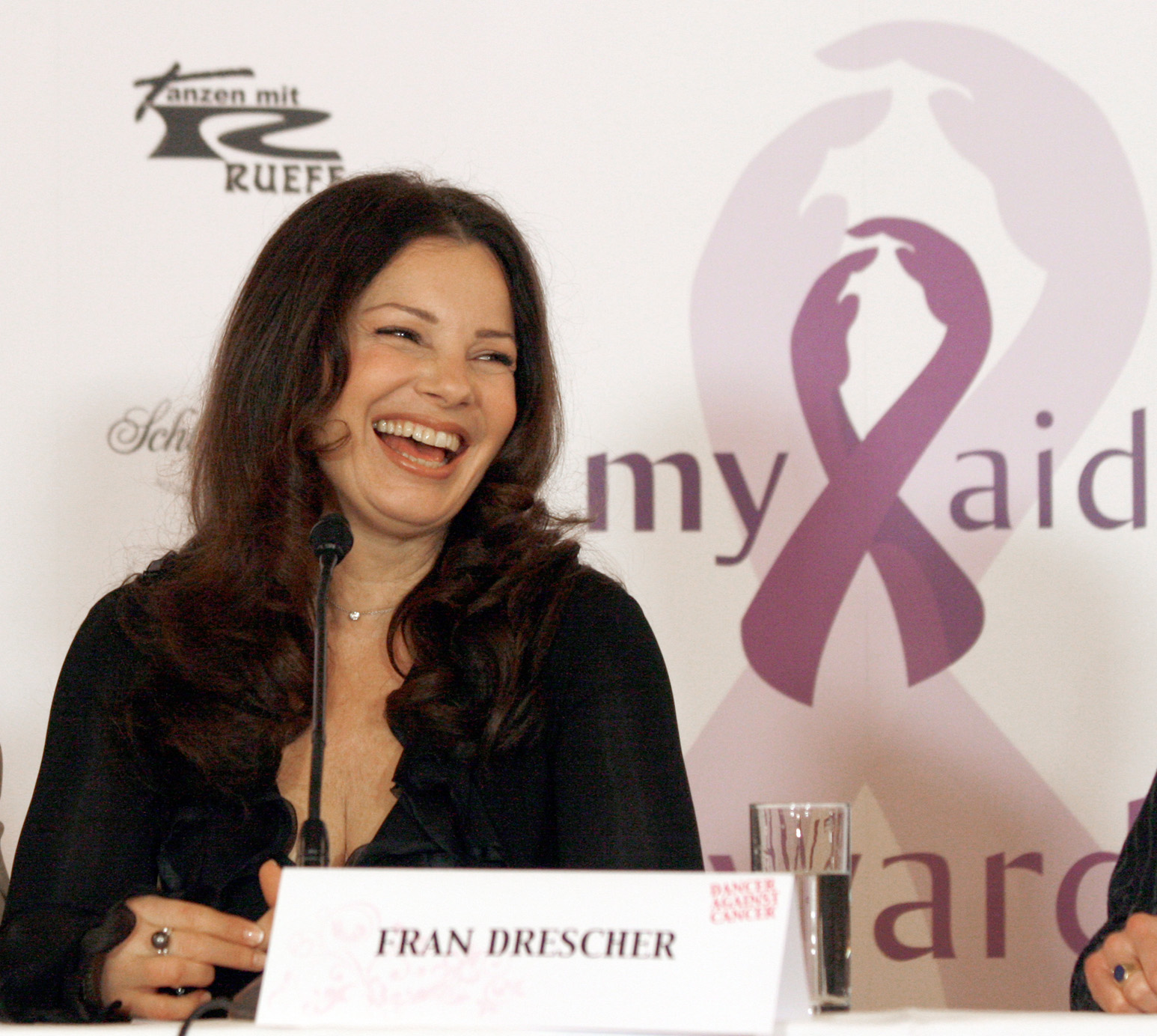
Fran Drescher is grieving a figure who helped shape both her life and the world of The Nanny, paying tribute to a colleague she describes as wise, big-hearted and deeply talented. Her remembrance underscores how the sitcom’s success was built not only on its stars, but also on the teachers, mentors and behind-the-scenes creatives who followed her from a Queens classroom to a hit television set. As fans revisit the show and its legacy, her loss highlights the enduring bonds that formed around its creation.
The mentor who bridged classroom and soundstage
At the center of Drescher’s tribute is Jan Posner, a teacher who first guided her long before studio lights and live audiences. Posner mentored Drescher and Peter Marc Jacobson at Hillcrest High School, helping the future actor and her eventual co-creator find their voices as performers and writers. That early encouragement did not stay confined to a drama classroom, it became the foundation of a creative partnership that would later carry over to the set of their signature sitcom, where Posner joined them as a trusted colleague and collaborator, according to reporting on how Posner mentored Drescher and Peter Marc Jacobson at Hillcrest High School.
That journey from public school to prime time illustrates how The Nanny was, in many ways, a family affair built from long-standing relationships. When Drescher later announced the recent death of her former teacher and colleague, she was not only acknowledging a professional loss, but also mourning someone who had been present at the earliest stages of her artistic life. The continuity between those Hillcrest High School days and the later television work shows how Posner’s influence threaded through decades of her career, shaping the tone and confidence that would define her on-screen persona and the show they eventually created together, a connection detailed in coverage of how Drescher and Peter Marc Jacobson carried their Hillcrest High School bond into The Nanny.
A beloved actor and director remembered
Drescher’s public farewell to Posner focused on his character as much as his résumé, framing him as both a creative force and a moral compass on set. In her statement, she emphasized that he would long be remembered for his wisdom, big heart and talent, a trio of qualities that, in her telling, mattered as much as any credit line. At 68, Drescher is now looking back on a career that spans decades, and her choice to highlight those traits suggests she sees Posner’s legacy in the culture he helped cultivate behind the camera as well as in the scenes he helped shape, a sentiment reflected in reports quoting her description that he will long be remembered for his wisdom, big heart and talent and noting that Drescher is 68.
Her remembrance also acknowledged the personal life Posner built away from the cameras, noting that he is survived by his adored family. That detail, paired with her insistence that not one moment should be taken for granted, turns the tribute into a broader reflection on time, gratitude and the finite nature of even the most enduring collaborations. By foregrounding his loved ones and the emotional imprint he left on those around him, Drescher positioned Posner not only as a beloved actor and director within The Nanny community, but as a fully realized person whose impact extended well beyond the industry, a framing echoed in coverage that highlights how Drescher called him a beloved actor and director and stressed that not one moment should be taken for granted.
The Nanny’s enduring family, on and off screen
The outpouring of emotion around Posner’s death underscores how The Nanny has remained a living community rather than a closed chapter of 1990s television. The sitcom, which followed a Queens-born nanny navigating life with a wealthy Manhattan family, has continued to attract new viewers through syndication and streaming, keeping its ensemble and creative team in the public eye. That ongoing relevance has helped maintain the bonds among its cast and crew, with reunions and public appearances reinforcing the sense that the show’s “family” still gathers, a dynamic that can be seen in coverage of how Drescher has reunited with her The Nanny costars Renée Taylor & Joe Bologna.
Those reunions are not just nostalgic photo opportunities, they are reminders that the relationships forged on the series have endured through personal milestones and losses. When Drescher mourns someone like Posner, she is speaking as the public face of a show that still commands affection from audiences and as a colleague who has shared decades of history with the people who built it. The continued cultural footprint of The Nanny, which remains a recognizable touchstone in searches and retrospectives on 1990s television, helps explain why tributes to its behind-the-scenes figures resonate so widely, as fans revisit the world of The Nanny and the creative network that sustained it.
From guest roles to lasting impact
Posner’s influence on The Nanny was not limited to mentorship and off-camera guidance, he also appeared on screen, leaving a small but concrete mark in the show’s credits. In the Episode titled The Heather Biblow Story, he was credited as the Stage Manager, a role that placed him within the fictional world he had helped nurture from the sidelines. That appearance, modest on its face, symbolized the way the series often folded its real-life creative community into its narrative, blurring the line between the people who made the show and the characters who populated it, as documented in listings that identify The Nanny Episode The Heather Biblow Story with Steve Posner as Stage Manager.
That kind of crossover reflects a broader pattern in long-running television productions, where crew members and creative partners occasionally step in front of the camera, cementing their presence in the show’s visual history. For Drescher, who has long celebrated the collaborative nature of her work, Posner’s on-screen credit is another thread in the tapestry she is now publicly honoring. It offers fans a tangible way to revisit his contribution, not only by reading tributes but by watching the Episode in which his name appears, connecting the emotional weight of her words to a specific moment in the series’ run.
A legacy of guidance and gratitude
Drescher’s reflections on Posner’s death also function as a meditation on mentorship and the responsibility artists feel to those who helped them find their path. By foregrounding his role as a teacher at Hillcrest High School and later as a colleague on The Nanny, she is drawing a straight line between early educational support and later professional success. That narrative reinforces the idea that creative industries are sustained not just by star power, but by educators and directors who invest in young talent long before any network executives take notice, a point underscored in accounts that describe how Posner guided Drescher and Peter Marc Jacobson from Hillcrest High School into their sitcom careers.
Her insistence that not one moment should be taken for granted gives that story a clear emotional throughline, turning a personal loss into a call for appreciation of the people who quietly shape creative lives. As fans revisit The Nanny and its extended universe of actors, writers and directors, Posner’s story stands as a reminder that some of the most influential figures in entertainment are those whose names rarely appear above the title. By honoring him so publicly, Drescher is inviting audiences to look beyond the familiar faces and recognize the mentors, like Jan Posner, whose wisdom, big heart and talent helped make the show, and her own career, possible, a sentiment echoed in tributes that describe how Drescher mourns a beloved The Nanny actor and director whose impact she credits with shaping her journey.
More from Vinyl and Velvet:

Leave a Reply