

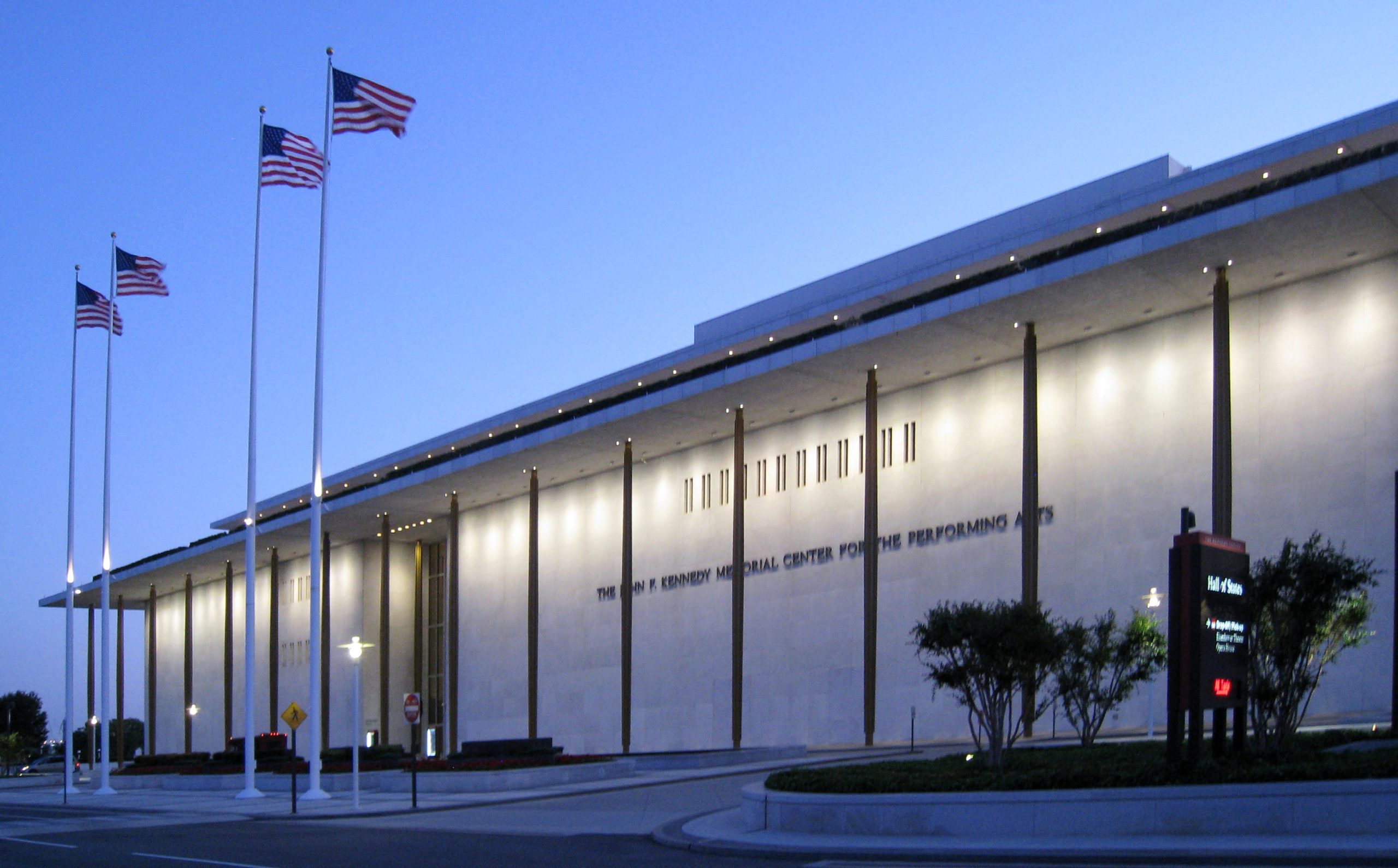
When an ‘80s rock mainstay walks away from the Kennedy Center, it is not just a scratched date on a tour calendar, it is a pointed statement about who holds cultural power in Washington. Peter Wolf’s decision to pull out of a high‑profile appearance, which he later described as “a very easy decision to make,” has become a flashpoint in a broader clash between artists and the political direction of the nation’s premier arts institution. His move lands at a moment when the Kennedy Center itself is being reshaped from the top down, and performers are deciding whether they can live with those changes.
At the center of the dispute is President Donald Trump’s imprint on the Kennedy Center, from the boardroom to the building’s very name. For Wolf and a growing list of peers, the question is no longer whether to speak out, but whether to keep showing up at all.
The rock legend who walked away
Peter Wolf built his reputation as the charismatic frontman of the J. Geils Band, an ‘80s radio staple whose mix of rock and R&B made him a familiar face on arena stages and MTV. That history is part of what made his planned appearance at the Kennedy Center so notable, a veteran performer returning to one of the country’s most prestigious arts venues to help honor the music that shaped him. Instead, Wolf chose to cancel, later saying he had no regrets and that stepping back from the event was, in his words, an easy call.
Wolf’s stature as an “iconic rock star” is not just nostalgia, it is grounded in decades of work that still commands attention, from his early band days to his solo career and collaborations. His decision to withdraw from the Kennedy Center placed that legacy in direct conversation with the institution’s current direction, signaling that his reputation as a performer now comes with a willingness to take a public stand. That choice echoed beyond a single night’s program, turning a routine booking into a test of how far an artist of his generation is prepared to go when politics and performance collide.
Why the Kennedy Center became a political flashpoint
The backdrop to Wolf’s move is a Kennedy Center that has been dramatically reconfigured under President Donald Trump. Earlier this year, President Donald Trump fired all 18 board members at the Kennedy Center, replacing the entire slate of trustees in a sweeping show of control over the institution’s leadership. That intervention signalled that the White House was not content to treat the center as an arm’s‑length cultural venue, but as a board it could remake according to its own priorities.
The symbolism has only intensified as Trump’s presence has been woven more visibly into the building itself. Numerous artists began reassessing their relationship with the venue after Trump’s name was added to the Kennedy Center, a change that turned the complex into a literal monument to the current president as well as a stage for the arts. For performers who see the institution as a national commons rather than a presidential showcase, the combination of a purged board and a rebranded facade has raised the stakes of every booking, including the one Wolf ultimately declined.
Inside Wolf’s “easy decision” to cancel
Wolf has framed his choice in starkly personal and political terms, describing the cancellation as something he did not agonize over once he weighed the circumstances. He had been scheduled to appear at the Kennedy Center for an event connected to honouring blues icon Muddy Waters, a figure whose influence runs through Wolf’s own musical DNA. Walking away from a tribute to one of his heroes was not a casual move, yet Wolf has said he has no second thoughts about cancelling the upcoming planned appearance.
What tipped the balance, according to Wolf, was the broader climate around the center and the Trump administration. Concerns about the current Trump administration led Wolf to move the event instead to an independent bookstore, a shift that turned a Washington‑anchored celebration into something more grassroots and less entangled with federal symbolism. By relocating rather than simply scrapping the appearance, Wolf signalled that he was not retreating from public life or from honouring Muddy Waters, but from lending his name to a venue whose leadership and branding he no longer felt comfortable endorsing.
A wave of artist resistance
Wolf’s decision did not occur in isolation, it is part of a pattern of performers distancing themselves from the Kennedy Center as Trump’s influence has grown. Numerous artists have called off Kennedy Center performances since Mr. Trump returned to office, including Issa Rae and Lin‑Manuel Miranda, who cancelled a planned production of “Hamilton.” Their withdrawals, like Wolf’s, have transformed the center’s calendar into a running tally of who is willing to appear under the current conditions and who is not.
The list of cancellations has continued to grow as the institution’s leadership has shifted. Award‑winning singer‑musician Rhiannon Giddens became one of the latest high‑profile figures to call off an appearance at the Kenn, a move that underscored how the controversy is affecting artists across genres, from roots music to hip‑hop‑inflected theater. Each departure chips away at the Kennedy Center’s claim to be a neutral home for the arts, replacing it with a more contested identity shaped by the choices of those who decline its stage.
What is at stake for culture and legacy
The clash over the Kennedy Center is ultimately about more than a single building on the Potomac, it is a struggle over who gets to define American culture in a polarized era. When an ‘80s rock veteran like Singer Peter Wolf decides that cancelling a high‑profile gig is preferable to appearing under a Trump‑remade board, he is effectively arguing that artistic legacy cannot be separated from institutional politics. That stance resonates with younger performers who have grown up expecting their heroes to take positions on public issues rather than remain politely silent.
At the same time, the controversy highlights how artists are rethinking where and how they connect with audiences. Wolf’s choice to shift his event to an independent space mirrors a broader move toward venues that feel less compromised, whether that is a small bookstore or a club more rooted in community than in federal patronage. Even in other corners of the music world, figures like Wolf in different genres have built careers that thrive outside traditional institutions, with one modern artist known simply as Wolf earning well‑earned accolades and acclaim through collaborations that range from Eminem to Wynonna rather than relying on legacy stages. As more performers follow Peter Wolf, Rhiannon Giddens, Issa Rae, and Lin‑Manuel Miranda in reassessing the Kennedy Center, the institution faces a choice of its own: adapt to the expectations of the artists it hopes to host, or risk watching the culture it seeks to represent migrate elsewhere.
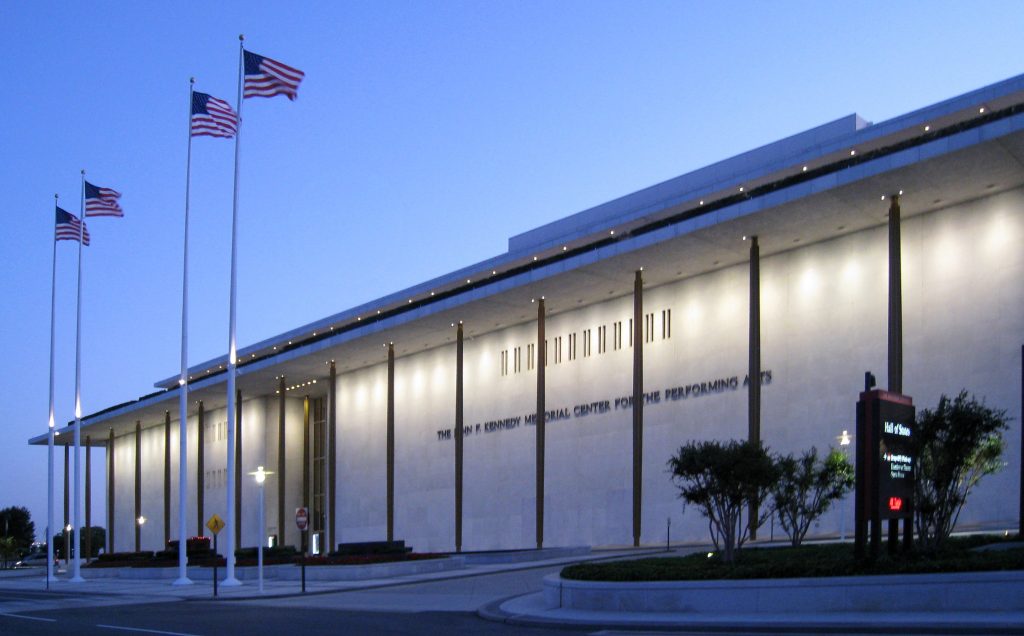
That migration is not just metaphorical, it is geographic. The Kennedy Center has long marketed itself as a destination for visitors to Washington, a place that appears on tourist maps alongside the monuments and museums. Its prominence is reflected in digital guides that highlight the complex as a key cultural stop in the capital, placing it alongside other landmarks in curated overviews of Washington attractions. If the center becomes synonymous less with artistic excellence and more with political controversy, those guides may start to feel out of step with how performers and audiences actually experience the place, underscoring how much is riding on decisions like the one Wolf made.
For now, the story of Peter Wolf’s “very easy decision” captures a turning point in the relationship between artists and one of America’s flagship arts institutions. The Kennedy Center can still fill its stages, but it can no longer assume that the presence of a famous name signals quiet endorsement. In an era when the board can be wiped clean in a single presidential move and the building itself can be rebranded with a president’s name, every booking has become a referendum, and every cancellation a headline.
- Washington attractions
- concerns about the current Trump administration
- fired all 18 board members
- “a very easy decision to make”
- Singer Peter Wolf
- Award‑winning singer‑musician Rhiannon Giddens
- Numerous artists have called off Kennedy Center performances
- Wolf is prolific and has well‑earned accolades
More from Vinyl and Velvet:

Leave a Reply