

Chase Chrisley is speaking with a new level of candor about how close his addiction came to costing him his life, describing a moment when he was certain he would not survive the night. His account, shared while cameras were rolling and emotions were raw, reframes the familiar reality‑TV figure as a young man confronting the wreckage of substance abuse and the fear that he had pushed his body too far. By walking through the darkest hours of his dependency, he is also trying to show what it looks like to pull back from the edge and start over.
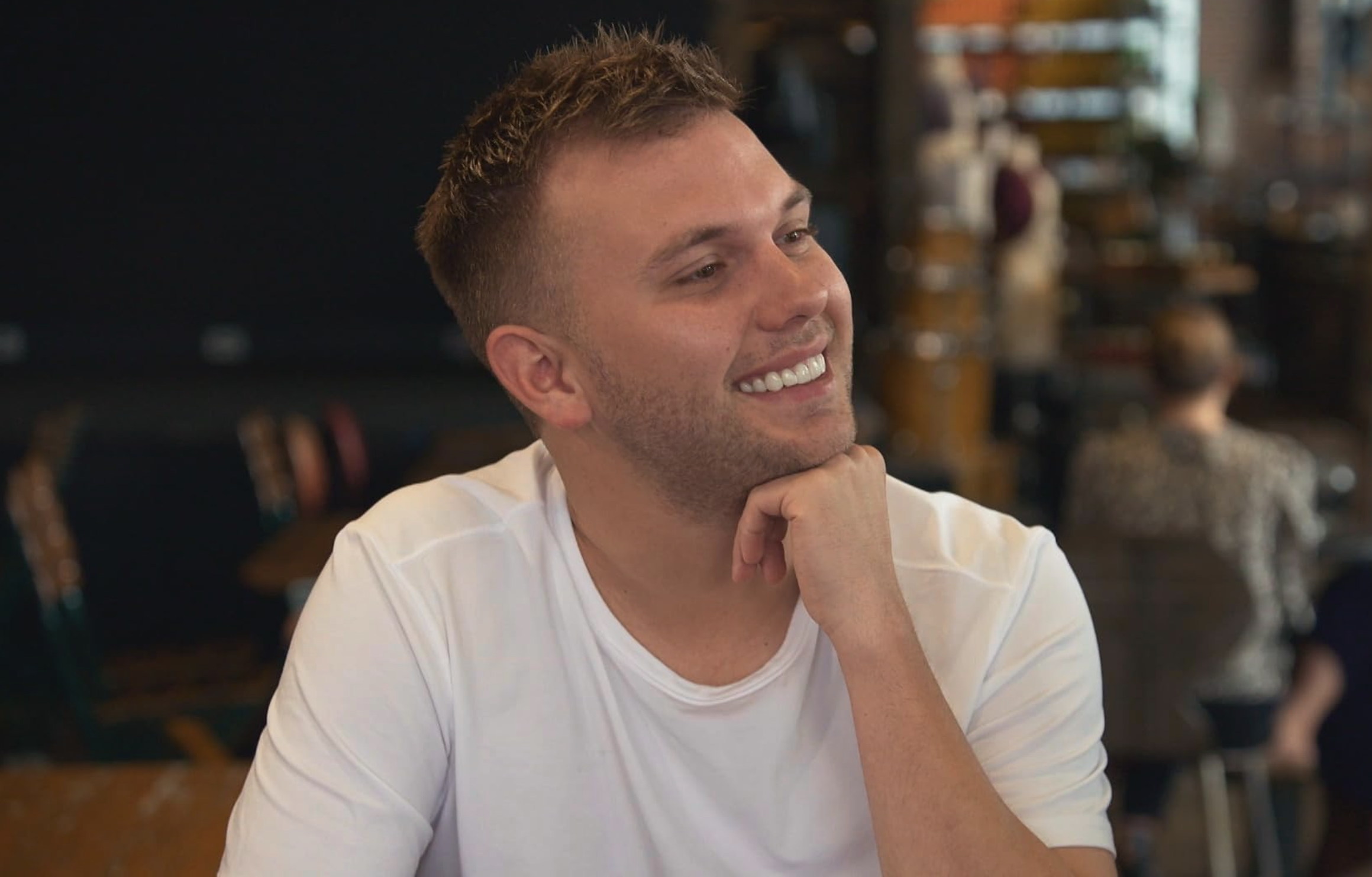
The reality star who nearly did not make it home
For viewers who watched him grow up on television, Chase Chrisley has long been the quick‑witted son in a larger‑than‑life Southern family, but his recent disclosures reveal a far more fragile chapter that unfolded away from the polished confessionals. He has described a night when he was using so heavily that he became convinced he was going to die, a realization that cut through the denial that had allowed his addiction to escalate. In his telling, the fear was not abstract, it was physical, immediate and tied to the sense that his body simply could not absorb any more substances without shutting down.
That near‑death awareness did not arrive in a therapist’s office or a quiet intervention, it hit while he was still in the cycle of chasing relief and ignoring limits. He has recalled that if he had stayed out instead of finally getting himself home, he believes he would not have survived, a stark admission that underlines how thin the margin was between another reckless night and a fatal overdose. His decision to revisit that moment publicly, including in a detailed account of how he thought he was going to die, turns a private crisis into a cautionary story about how quickly recreational use can become life threatening.
How family turmoil fed a dangerous coping mechanism
Chase has linked the worst of his substance use to a period when his family life was under extraordinary strain, particularly after Todd and Julie Chrisley reported to prison. The son who had once been the comic relief on camera suddenly found himself grappling with grief, anger and responsibility, and he has said he turned to drugs and alcohol as a way to “cope” with that upheaval. Instead of processing the shock of seeing both parents incarcerated, he tried to numb it, and the substances that initially dulled the pain soon became the only strategy he trusted to get through the day.
He has been blunt that his personality made that pattern especially dangerous, describing how, once he started using, there was “just not an off switch,” a phrase that captures both the compulsive nature of addiction and his own recognition that moderation was not realistic for him. The more he leaned on that chemical escape, the more his tolerance and risk‑taking grew, until the coping mechanism turned into a full‑blown crisis that threatened his health and his relationships. His explanation of how he used to cope after Todd and Julie Chrisley went away underscores how family trauma can accelerate a slide into dependency.
Rock bottom in front of the cameras
The most harrowing stretch of Chase’s addiction did not unfold in secret, it played out while he was filming a new project, The Chrisleys: Back to Reality, which was meant to capture the family’s next chapter. Instead, he has said that period became the height of his substance abuse, a time he now calls “really, really dark.” The pressure of performing for television while privately unraveling created a split between the version of himself he was presenting to viewers and the one who was spiraling off set, and that disconnect only deepened his shame.
He has acknowledged that during that shoot he was not just struggling, he was at the point where he genuinely believed he might not survive, a realization that eventually forced him to confront how unsustainable his life had become. The fact that he reached that conclusion while cameras were nearby adds a surreal layer to his story, but it also means there is a visual record of a young man trying to hold it together while his addiction was at its worst. His description of hitting rock bottom while filming The Chrisleys: Back to Reality shows how reality television can capture only a fraction of what is happening in a star’s life.
The night he was sure his body was giving out
When Chase talks about the night he thought he would die, he describes a breaking point where his body and mind were both overwhelmed, and the usual rationalizations no longer worked. He has recalled sobbing uncontrollably, gripped by the belief that he had finally crossed a line his system could not come back from, and that the damage he had done might be permanent. In that moment, the bravado that often surrounds substance use fell away, replaced by raw terror and a sense of helplessness that he could not mask even from himself.
He has said that if he had not made it home that night, he is convinced he would have been dead, a statement that underlines how close he feels he came to a fatal outcome. That conviction is not framed as melodrama but as a sober assessment of how much he had consumed and how little control he had left, and it has become a reference point in his recovery for just how far things went. His account of being “just sobbing” and certain he would not survive, shared as he broke down describing that night, gives his story a visceral detail that statistics about overdoses often lack.
Guilt, shame and the fear no one would forgive him
Surviving that night did not bring instant relief, and Chase has been open about the wave of guilt that followed once the immediate danger passed. He has said he was overwhelmed by the thought that he had not only endangered himself but also betrayed the trust of people who loved him, and he struggled to imagine how they could ever look at him the same way. That fear was compounded by his own self‑loathing, as he questioned how he could forgive himself for the choices that had brought him to the brink.
In recounting those emotions, he has described feeling as if he had broken something fundamental in his relationships, worrying that his family would never fully believe in his recovery or see him as anything other than an addict. That internal narrative is common among people emerging from a crisis, but hearing it articulated by someone who has spent years in the public eye adds another dimension, because he also had to reckon with how viewers and strangers might judge him. His admission that he did not know how anyone else would forgive him, or how he would forgive himself, came as he reflected on the aftermath of his lowest point.
A candid conversation with his sister
One of the most revealing settings for Chase’s story has been a conversation with his sister, where the usual reality‑TV banter gave way to a stark discussion of addiction and survival. Speaking directly to a sibling who has shared the spotlight and the family turmoil, he laid out how far his substance use had gone and how certain he had been that it would kill him. The dynamic in that exchange is different from a formal interview, with less polish and more vulnerability, as he tried to explain not just what he did but why he kept doing it even when he knew it was dangerous.
In that dialogue, he acknowledged that he was not sober during some of the periods when viewers might have assumed he was simply stressed or withdrawn, and he tried to bridge the gap between the version of himself his sister thought she knew and the one who was hiding a serious dependency. The conversation underscored how addiction can thrive in secrecy even inside close families, and how breaking that secrecy is often a crucial step toward change. His remarks about that period, shared while speaking with his sister, show how family members can become both witnesses to and partners in recovery.
From denial to acceptance of addiction
Chase’s narrative traces a familiar arc from denial to reluctant acceptance, as he moved from insisting he was just blowing off steam to recognizing that he had lost control. Early on, he has suggested, he framed his substance use as a way to manage stress and keep up a party‑centric lifestyle that fit the image of a young reality star, and he resisted labels like “addict” that felt too heavy or permanent. The near‑death experience, however, shattered that framing, forcing him to confront the reality that his behavior was not recreational but compulsive and life threatening.
That shift in perspective is evident in the language he now uses, describing his addiction as something that had “no off switch” and acknowledging that he could not simply will himself to stop. Accepting that he was dealing with a chronic condition rather than a series of bad nights opened the door to seeking structured help and being honest with the people around him. His explanation of how he moved from rationalizing his use to admitting he had a serious problem aligns with the way he has reflected on the height of his addiction in recent interviews.
Owning the story instead of letting tabloids write it
By choosing to detail his addiction and near‑death scare on camera and in controlled conversations, Chase is asserting some ownership over a story that could easily have been reduced to gossip. As a public figure, any hint of substance abuse or erratic behavior is ripe for speculation, but his decision to lay out the facts in his own words limits the space for rumor and distortion. It also allows him to frame his past not as a scandal to be outrun but as a chapter he is actively learning from, which can be a powerful stance for someone whose life has long been edited by others.
That approach does not erase the harm his addiction may have caused, but it does signal a willingness to be accountable and to invite viewers into a more honest understanding of what was happening behind the scenes. In a media environment that often flattens complex struggles into click‑friendly narratives, his detailed recollections of fearing he would die, of sobbing on the way home, and of worrying he would never be forgiven, create a fuller picture of a person in crisis. His choice to break down his addiction publicly, as he did when he opened up about nearly dying, suggests he would rather confront uncomfortable truths than let them surface through secondhand leaks.
What his survival means for the next chapter
Today, Chase describes himself as being in a better place, but he does not present recovery as a neat, completed arc so much as an ongoing process shaped by that brush with death. The memory of believing he would not make it home, and of realizing how close he came to leaving his family without answers, appears to function as both a warning and a motivator. It reminds him of what is at stake if he slips back into old patterns, and it gives weight to his commitment to stay sober and rebuild trust.
His willingness to revisit that trauma publicly may also have a broader impact, particularly on fans who have followed the Chrisley family for years and may be facing their own struggles with substances. Hearing a familiar figure describe the terror of thinking his body was shutting down, the shame of feeling unforgivable, and the slow work of piecing life back together can make the abstract dangers of addiction feel more immediate. As he continues to share how he once believed he was “going to die” during a dark addiction struggle, his story stands as both a warning about how far things can go and a testament to the possibility of turning back before it is too late.
More from Vinyl and Velvet:

Leave a Reply