

The New England Patriots are chasing the top of the AFC standings while two of their most prominent players, Stefon Diggs and Christian Barmore, are now facing criminal charges that have spilled into public view. After days of silence, both finally addressed reporters, offering carefully limited comments that underscored how tightly the legal and competitive pressures are intertwined. Their brief appearances did not resolve the allegations, but they did reveal how the players, the team, and the league are trying to navigate a volatile moment in Jan.
Their remarks in FOXBOROUGH came with the Patriots still preparing for a critical matchup and with scrutiny intensifying on how the organization and The NFL handle off‑field conduct. Diggs chose to speak at length about his mindset while refusing to get into specifics, and Barmore stuck to a rehearsed line that kept the focus on football. Together, their approaches highlight the modern playbook for stars under legal fire, and the limits of what fans and media can expect to hear while cases are active.
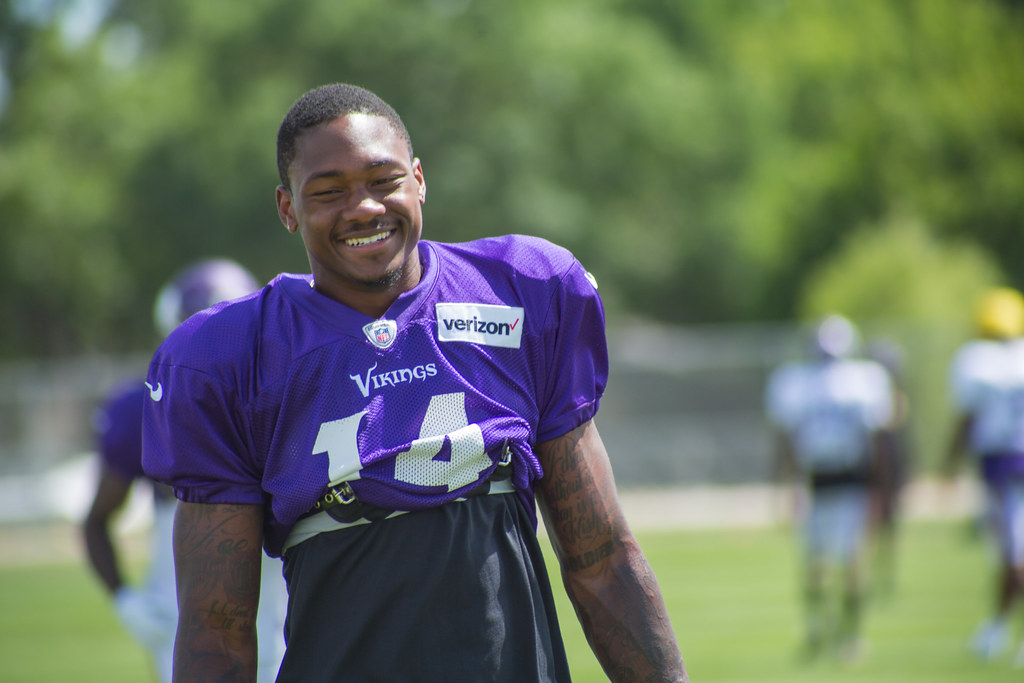
The charges surface as Patriots chase the AFC’s top seed
The legal cases involving Stefon Diggs and Christian Barmore emerged just as the New England Patriots were contending for the No. 1 seed in the AFC, turning what should have been a straightforward playoff push into a test of crisis management. Reporting has detailed that As the New England Patriots pursue that top spot, the criminal allegations against two starters have become an unavoidable backdrop, raising questions about how much off‑field turmoil a contender can absorb while still performing at an elite level on Sundays. The timing has amplified every development, from the filing of charges to the first time either player agreed to face cameras and microphones.
Within this context, Diggs and Barmore’s decision to speak publicly in Jan was not just a legal or personal milestone, but a competitive one, because anything they said could ripple through a locker room that still has to line up and play. Coverage of the situation has emphasized that the Patriots’ pursuit of the conference’s top seed is happening in parallel with the unfolding legal process, and that both storylines are now inseparable in the public eye, a reality underscored by detailed accounts of the team’s position in the AFC race.
FOXBOROUGH backdrop and the first media appearances
The first real glimpse of how the players would handle the controversy came in FOXBOROUGH, where cameras captured Stefon Diggs and Christian Barmore walking to the podium with the Patriots’ practice fields and stadium as a stark backdrop. In FOXBOROUGH, Mass, the setting itself mattered, because it signaled that the team was not hiding its players, but also that any comments would be tightly controlled within the familiar rhythms of a football workday. Wide receiver Diggs and defensive tackle Barmore both appeared in front of reporters, but their strategies diverged sharply once the questions began.
Accounts from that day describe how Wide receiver Stefon Diggs and Christian Barmore broke their silence in FOXBOROUGH, Mass, only to immediately set boundaries on what they would discuss. Diggs acknowledged the gravity of the situation while declining to walk through the allegations, and Barmore leaned on a short, repeated answer that steered everything back to the next opponent. The scene, captured in detail by coverage of the FOXBOROUGH, Mass session, illustrated how both men were willing to be seen, but not necessarily to be fully heard on the specifics of their cases.
Stefon Diggs’s carefully measured comments
Stefon Diggs chose a more expansive, if still guarded, approach than his teammate, using his availability to acknowledge fans and media while drawing a firm line around the legal details. In FOXBORO, Stefon Diggs addressed reporters Friday for the first time since it became public that he is facing criminal charges, and he framed his appearance as a matter of respect. He apologized for not being available earlier and emphasized that he understood why questions were being asked, but he also made clear that he would not walk through the allegations point by point while the case is active.
Diggs’s remarks were notable for their tone as much as their content. He spoke about wanting to keep the focus on football and his responsibilities to the Patriots, while also signaling that lawyers and the courts, not press conferences, would ultimately handle the dispute. Coverage of that session highlighted how he stressed respect “for all parties involved” and insisted that the situation had not changed “where it’s been at,” language that was captured in detail in reports on how Stefon Diggs broke his silence.
Christian Barmore’s six-word script and refusal to engage
Christian Barmore, by contrast, opted for a minimalist script that left little room for interpretation. When asked about the domestic assault charge he is facing, Barmore repeatedly brushed aside questions and instead delivered the same short answer again and again. Reports from Jan describe how Barmore answered every inquiry about the case with a six‑word phrase, a tactic that effectively shut down any attempt to draw him into a substantive discussion of the allegations or his personal response to them.
That phrase, quoted verbatim in multiple accounts, was “I’m focus on Miami. Playing football,” a line that Barmore used regardless of how the question was framed. The repetition underscored his determination to keep the conversation on the upcoming opponent, Miami, and to avoid adding any public commentary that could complicate his legal position. Detailed coverage of the exchange noted that Barmore answered all of them with the same phrase, as relayed via Karen Guregian of MassLive, and that his approach was designed to deflect attention from his off‑field issues, a strategy laid out in reports on how Barmore repeated his six-word answer.
Team messaging and The Patriots’ public stance
While Diggs and Barmore were setting their own boundaries with the media, The Patriots were also working to define the organization’s position. The team has emphasized that it was informed about the incident involving Diggs at the time it occurred and that it notified the league in accordance with policy. In public statements, the club has stressed that Stefon has informed the organization about the situation and that the matter remains part of an ongoing legal process, language that signals cooperation with league protocols while avoiding any judgment on guilt or innocence.
The Patriots’ messaging reflects a familiar balance in modern sports, where teams must show they take allegations seriously without compromising the rights of players who have not been convicted of any crime. Reports detailing the club’s response note that The Patriots were made aware at the time of the incident and informed the NFL in a timely manner, and that the organization has declined to offer further comment while the case proceeds. That stance, and the specific wording that Stefon has informed the organization, is laid out in coverage of the team’s handling of Diggs’s legal situation.
Media dynamics: from WHDH clips to national scrutiny
The way Diggs and Barmore’s comments reached the public also shaped the narrative, with local television, national outlets, and social media all amplifying different angles. WHDH described how Two Patriots players who are in trouble with the law were now speaking out for the first time, highlighting the novelty of hearing directly from the men at the center of the controversy. That framing underscored how their silence had become a story in itself, and how their eventual remarks, however limited, were destined to be dissected far beyond FOXBOROUGH.
Video clips circulated widely, including footage that showed Barmore standing at the podium and not addressing any of the questions that were posed to him while Stefon Diggs did address the media and did say a lot more by comparison. Those visuals, captured in a segment focused on how Stefon Diggs handled his media session, reinforced the contrast between the two players’ strategies and gave fans a direct look at their body language and tone. At the same time, national reporting by Ayrton Ostly for USA TODAY Sports, which explicitly referenced the figure 57 in its coverage, placed the story in a broader league‑wide context, showing how quickly a local legal issue can become a national talking point when it involves high‑profile starters on a playoff contender.
Patriots coach Mike Vrabel and The NFL’s eligibility call
As the legal questions swirled, attention also turned to how the coaching staff and league office would respond in competitive terms. Patriots coach Mike Vrabel was asked directly about the mounting legal woes and about whether Diggs and Barmore would be available for the upcoming game. His comments reflected a coach trying to keep the focus on preparation while acknowledging that the situation is serious, and he pointed to league guidance on player availability rather than making a unilateral decision to sit either man.
The league’s position was clear: The NFL has said both Diggs and Barmore are eligible to play Sunday against the Miami Dolphins, a determination that effectively shifted the decision back to the team while signaling that no immediate suspension or exemption list move was forthcoming. That eligibility ruling, detailed in coverage of how Diggs and Barmore can play Sunday, underscores the league’s preference to let the legal process unfold before imposing discipline, even when public pressure is intense and the stakes in the standings are high.
Inside the press conferences: tone, repetition, and deflection
Beyond the headlines, the texture of the press conferences revealed how each player is trying to manage competing obligations to the legal system, the team, and the public. Detailed accounts from FOXBOROUGH, Mass describe how New England Patriots wide receiver Stefon Diggs told reporters Friday that he would not discuss the specifics of the case, even as he fielded multiple questions that tried to draw him out. He acknowledged the seriousness of the situation but repeatedly steered answers toward his preparation for the next game and his commitment to his teammates.
Christian Barmore’s appearance was even more tightly controlled. In Jan, Barmore just kept to his script, although he did answer one question about being able to play football after years dealing with off‑field challenges, according to court documents and reporting on his background. Coverage of that exchange noted that Christian Barmore, speaking with reporters, deflected questions about the domestic assault charge and instead emphasized his focus on the season, a pattern laid out in detail in reports on how Barmore deflected questions. Together, the two sessions showed how repetition and deflection have become standard tools for athletes navigating active legal cases in front of live microphones.
Fan reaction, locker-room impact, and what comes next
For fans, the twin press conferences offered only partial answers, leaving much of the underlying legal story unresolved while clarifying how the players intend to handle public scrutiny in the short term. Reports from FOXBOROUGH noted that Patriots Stefon Diggs and Christian Barmore refused to get into specifics regarding the off‑field allegations, a stance that has divided some supporters who want transparency from their stars and others who prioritize due process and on‑field performance. The fact that both men chose to speak in Jan, even within strict limits, suggests an awareness that total silence was no longer tenable as the team’s playoff push intensified.
Inside the building, the focus remains on preparing for Miami and maintaining cohesion in a locker room that suddenly finds itself at the center of a national conversation about player conduct and accountability. Local coverage has emphasized that in FOXBOROUGH, the Patriots are trying to keep their routine intact while Two Patriots players deal with criminal charges, a tension captured in reports on how Two Patriots addressed the media. With court proceedings still ahead and league discipline a possibility once the legal process plays out, the only certainty is that Diggs and Barmore’s brief remarks will not be the last word on a saga that now stretches from the courthouse to the playoff race.
Legal uncertainty and the limits of what players can say
The guarded nature of both players’ comments reflects the legal uncertainty that surrounds any active criminal case, especially one involving allegations of assault or domestic violence. Attorneys typically advise clients to avoid detailed public statements that could be used against them in court, which helps explain why Diggs and Barmore leaned so heavily on generalities about respect, focus, and preparation. In Jan, coverage from FOXBOROUGH made clear that Patriots Stefon Diggs and Christian Barmore refused to get into specifics regarding off‑field allegations, even as they acknowledged that the situation had become a major storyline around the team.
That tension between public curiosity and legal prudence is unlikely to ease in the near term. As the cases move forward, there may be filings, hearings, or other developments that shed more light on what happened, but the players themselves are almost certain to remain cautious in any future media appearances. Reporting from FOXBOROUGH has already shown how both men are trying to walk that line, with Diggs offering more context about his mindset and Barmore sticking to a narrow script, a dynamic first detailed in accounts of how Patriots Stefon Diggs and Christian Barmore handled questions. Until the courts speak, their public posture is likely to stay much as it was in their initial Jan sessions: present, but tightly constrained.
More from Vinyl and Velvet:

Leave a Reply