

You’re about to travel back to a decade that reshaped how you connect, dress, and entertain yourself. This article ranks 10 trends that shaped the 2000s and shows how those moments still ripple through your playlists, fashion choices, and screen time today.
Bold the key sentence? Okay you asked bold. You’ll get a clear, ranked look at the trends that mattered most so you can spot what stuck, what fizzled, and why those choices felt so defining.
Rise of Social Media Platforms like MySpace and Facebook
You watched social life move online as MySpace let you customize profiles and blast your favorite songs to anyone who visited.
You felt networks get smarter once Facebook focused on real identities, friend lists, and news feeds that kept you scrolling.
You learned new social norms quickly — friend requests, pokes, and profile photos became everyday actions.
Those early platforms set patterns for how you connect, share, and advertise today.
Low-Rise Jeans Taking Over Fashion
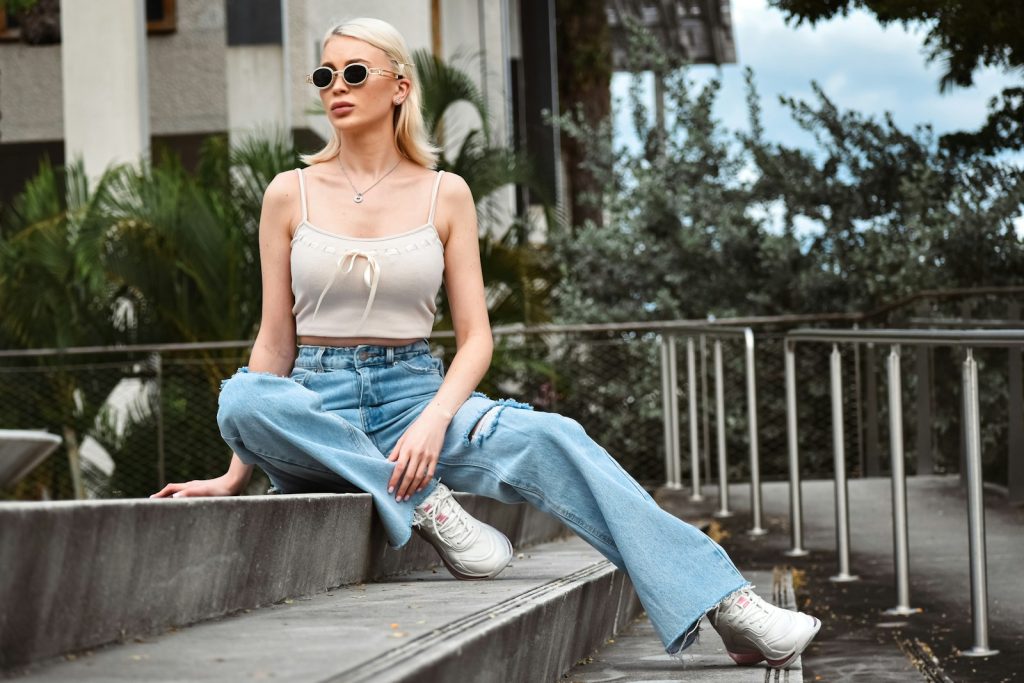
You probably remember the ultra-low waistlines that ruled early-2000s wardrobes. They framed outfits around exposed hips and low-slung belts, creating a distinct Y2K silhouette.
Now the style has reappeared, worn by new influencers and reworked with modern fits and stretchier denim. If you try them, expect a nostalgic look updated for comfort and contemporary proportions.
The Popularity of Velour Tracksuits
You probably remember seeing velour tracksuits everywhere in the 2000s — on celebrities, in malls, and in weekend streetwear.
They felt luxe yet comfy, so you could wear them lounging at home or out with friends without missing a beat.
Brands like Juicy Couture turned them into status pieces with logos and rhinestones, making your outfit a statement.
The look was as much about the relaxed fit as it was about easy glamour, which explains why you still spot revivals today.
Explosion of Reality TV Shows
You watched formats multiply across networks, from talent competitions to survival contests.
The 2000s turned reality TV into appointment viewing, with shows that prioritized unscripted drama and audience participation.
You saw trends like makeover shows, cooking battles, and celebrity-centered series dominate watercooler talk.
Those formats reshaped casting, editing, and how audiences engaged with TV.
Early 2000s Ringtone Craze
You spent time and maybe cash choosing a ringtone that felt like part of your identity.
Phones went from simple beeps to mini soundtracks, and your ringtone could announce your mood or music taste.
Downloading tones felt like a hobby—polyphonic tracks, song clips, or movie themes.
That craze even shaped how artists and labels thought about single releases and promotion.
Dominance of Boy Bands and Pop Princesses
You watched charts fill with glossy pop and synchronized dance moves from groups like *NSYNC and Backstreet Boys.
You also tuned into pop princesses—Britney, Christina, Beyoncé—whose songs and looks shaped your playlists and mall posters.
Teen-focused marketing turned fandom into a cultural force you felt everywhere: radio, TV, and early social media.
Those acts set a template for catchy hooks, tight choreography, and image-driven pop that still resurfaces today.
Classic iPod Changing Music Listening
You suddenly carried a whole music library in your pocket, not just a few CDs or burned mixtapes. The iPod made picking songs and building playlists simple, which shifted listening from albums to individualized sets.
You used iTunes to buy and organize tracks, and syncing felt magical compared to ripping CDs. That convenience nudged labels and listeners toward digital distribution and away from physical formats.
Butterfly Clips as a Hair Accessory
You probably remember clipping tiny plastic butterflies into half-up styles and braids.
They were an easy, playful way to add color and personality without much effort.
Today they’ve returned as a Y2K nod you can wear with minimalist or bold looks.
Mix a few across a parted style or use one to secure a tiny twist for instant nostalgia.
Launch of YouTube Transforming Video Sharing
You watched the first viral clips on a site that made uploading simple.
YouTube debuted in 2005 and let anyone share short videos without technical hassle.
It shifted attention from broadcast schedules to on-demand moments you choose.
Creators and viewers found each other directly, changing how you discover and spread content.
Widespread Use of Flip Phones
You carried a compact flip phone in your pocket for calls, texts, and the occasional snake game.
They felt satisfying to snap shut and lasted longer on a charge than many early smartphones.
You used tactile keys and simple menus, which made messaging fast and predictable.
Those devices shaped how you stayed connected before app overload and constant notifications.
More from Vinyl and Velvet:

Leave a Reply