

You grew up in an era that felt normal at the time but now reads like a different planet. This article walks through everyday routines you once accepted—small rituals that shaped weekends, friendships, and how you got from A to B—and shows why they feel so outdated today.
You’ll recognize the habits and understand why they’ve mostly disappeared, from mixtapes and waiting on dial‑up to relying on payphones and paper maps. Expect a nostalgic, clear look at the little customs that made sense then and now seem oddly inefficient.
Making mixtapes to confess a crush
You spent hours hunting songs that said what you couldn’t, then recorded them in a precise order.
The tape felt personal—handwritten label, careful pauses between tracks, a little nerve waiting for their reaction.
Now you can send a playlist in seconds, but that ease strips away ritual.
A digital link lacks the tactile effort that made the gesture feel like a reveal rather than a click.
Gathering around one TV for shows
You planned your evening around a single set in the living room.
Everyone squeezed onto the couch, and whoever held the remote got quiet power.
You watched the same program together at the same time, no on-demand or multiple screens.
Conversations and jokes bounced off one signal; spoilers didn’t exist because you all lived them.
Hanging out for hours at the mall
You spent whole afternoons wandering storefronts without a plan, treating the food court like a living room.
No phones meant you actually bumped into people instead of scrolling past them.
You’d watch a movie, buy a cassette, and loiter under neon skylights until your parents called.
It felt normal then; now it seems odd to use a giant building as a primary social app.
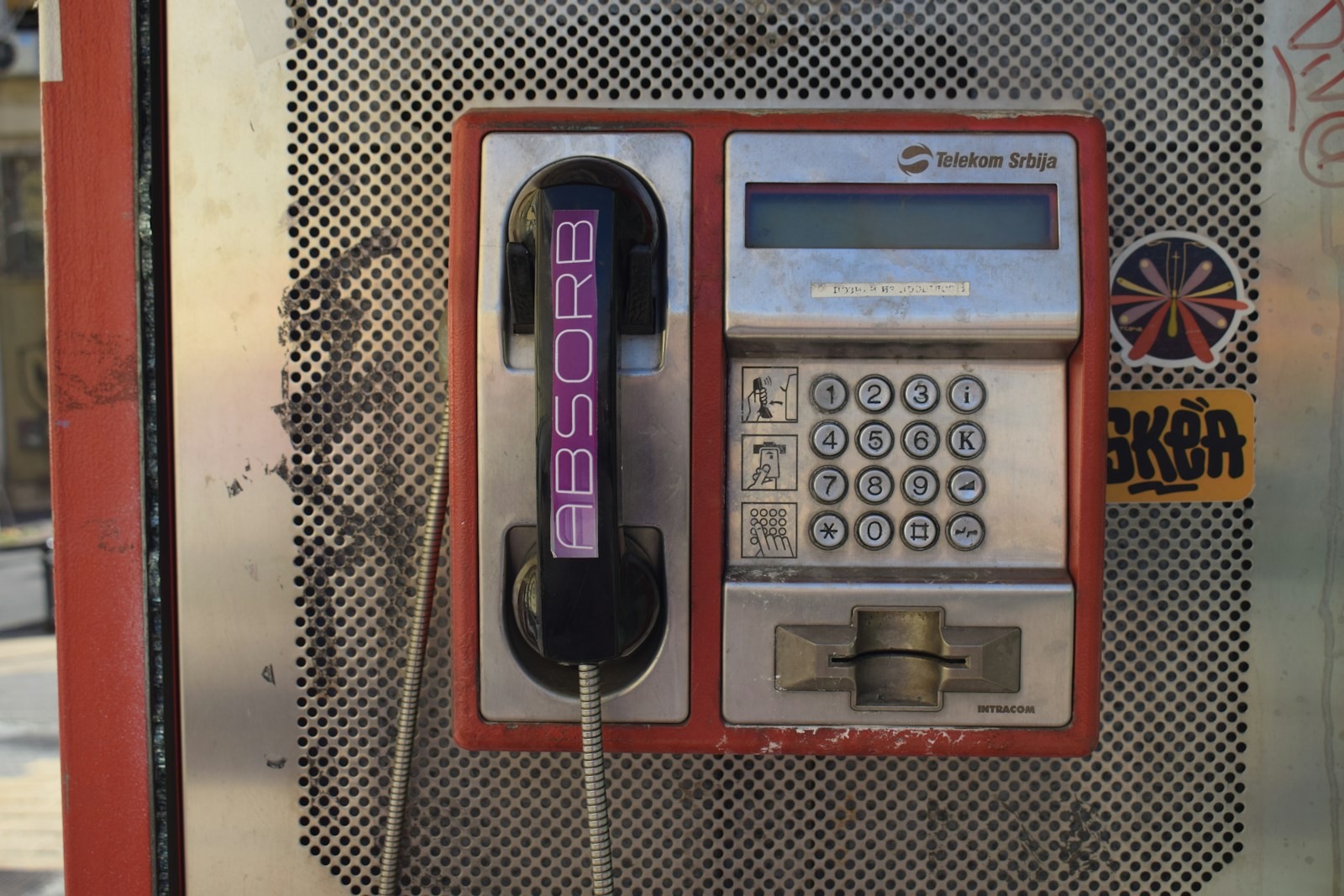
Using payphones to call friends
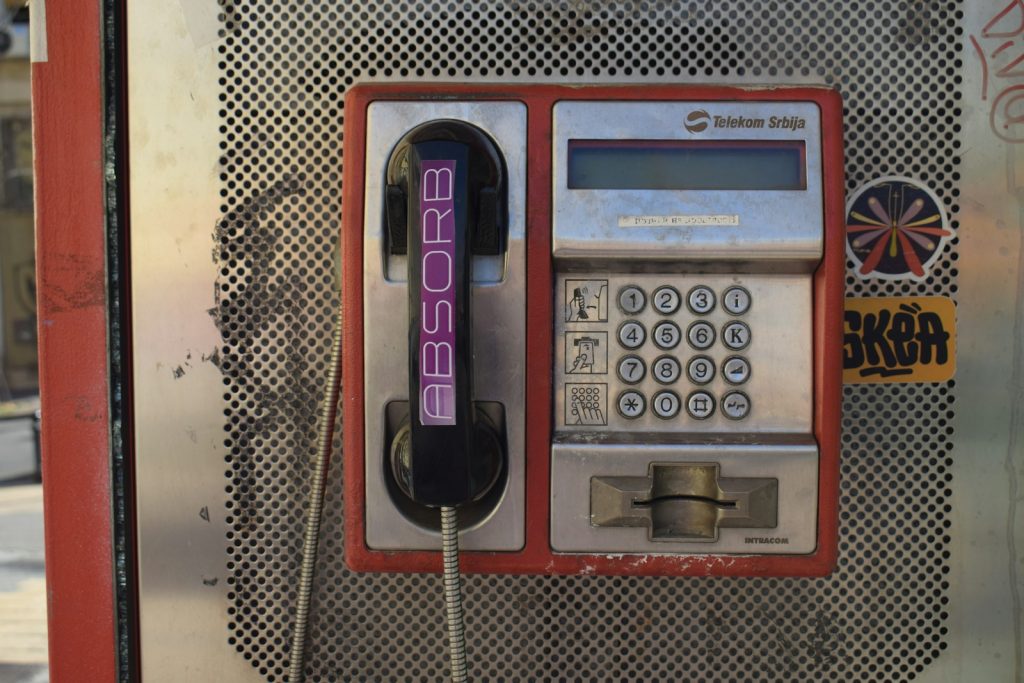
You walked to a payphone when plans changed or your ride was late.
You fed coins, dialed, and hoped the line wasn’t busy.
If you forgot enough change, you stood there waiting or ran home.
Sometimes you paged someone and held the phone until they called back.
The whole ritual feels clumsy now next to texts and location sharing.
But it also forced immediate decisions and brief, actual conversations.
Waiting for dial-up internet to connect
You’d dial a number, listen to the modem’s screeching handshake, and wait. Connections could take a minute or more, so you learned patience fast.
You scheduled online time around phone availability and tolerated dropped calls. Today’s always-on world makes that routine feel oddly deliberate.
Leaving kids unsupervised outside
You remember being told to be home by dark and then just wandering off with friends. Neighborhoods felt safe, adults trusted each other, and kids learned independence the hard way.
Today you’d worry about traffic, strangers, and social media risks. Laws and norms now favor supervision, so letting a child roam alone would raise serious concerns.
Rewinding VHS tapes before returning them
You always rewound rentals before dropping them off, like a tiny civic duty.
Stores even charged fees if you forgot, so you learned fast.
You might have also worried the next person would hit play and see credits.
It felt polite, and it kept the store’s rewind machine free for others.
Now streaming skips that whole ritual, but the memory of hurried rewinds still sticks.
Using physical maps for directions
You unfolded a giant paper map and traced routes with your finger before starting a trip.
If you missed a turn, you pulled over to refold the map and figure out where you went wrong.
Maps taught you patience and planning, but they lacked real-time traffic or rerouting.
Now your phone gives turn-by-turn directions and live updates, so paper maps feel impractical for most people.
More from Vinyl and Velvet:

Leave a Reply