

You probably notice how certain corners of your home feel emptier when you think back to the 2000s — gadgets, decor, and everyday tools that once seemed essential have quietly disappeared. This article takes you on a quick walk through those vanished items so you can spot them in old photos, garage-sale piles, or memory-lane conversations.
Bold takeaway: You’ll rediscover ten familiar objects that shaped daily life two decades ago and learn why they faded away. Expect a mix of tech, homewares, and kitschy decor that together paint a clear picture of how fast household life changed.
Cassette tape players
You probably had one shoved in a closet or on a dusty shelf, complete with tangled tape once or twice.
They were cheap, portable, and perfect for mixtapes you burned from the radio or a friend’s CD.
As digital music and MP3 players took over, these players stopped being practical.
Today you might find one in thrift stores or as a retro prop, but they no longer live in most homes.
Phone books
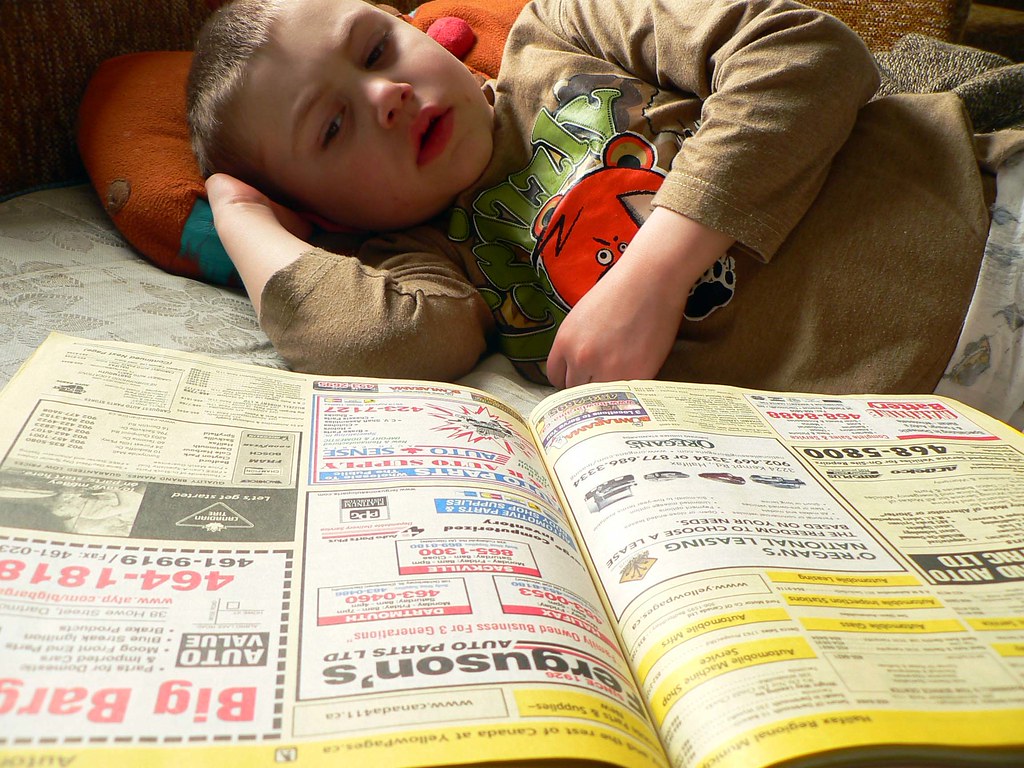
You probably remember a thick yellow or white book sitting by your door or under a stack of junk mail.
You used it to look up numbers, addresses, or to find a plumber at 2 a.m.
Smartphones and search engines made those bulky tomes obsolete.
Now you tap a screen and get reviews, maps, and contact details instantly.
Rotary dial phones
You probably saw one on a hallway table or kitchen wall in the early 2000s, heavy and mechanical.
Dialing meant rotating a numbered disk and waiting for it to snap back, a deliberate ritual compared with touchpads.
These phones sent pulses down copper wires instead of tones, so they worked without power during outages.
They faded as push-button and mobile phones became cheaper and more convenient.
VHS tape players
You probably had a clunky VCR under the TV, blinking 12:00 until someone set the clock.
They let you rent movies, record shows, and rewind arguments over who ruined the tape.
By the mid-2000s DVDs and streaming made VCRs obsolete, and most stopped working or got tossed.
Collectors keep a few alive, but for most people your old tapes now gather dust or live on in digital transfers.
Rolodex card holders
You probably had one on your desk or your parents’ shelf, a rotating wheel of index cards for names and numbers.
Flip through it to find contacts quickly without scrolling a screen, and you could tuck notes or business cards behind entries.
By the mid-2000s phones and online address books replaced Rolodexes, but they still show up in vintage shops and DIY art projects.
Beaded curtains
You probably had one draped over a doorway or wanted one for that instant boho vibe.
They clacked underfoot, tangled easily, and did more mood than practical room dividing.
Today you’ll still find modern takes — wooden strands or crystal beads — but the loud, plastic versions mostly disappeared.
If you kept one, it’s likely in a closet waiting for a nostalgia moment.
Slide projectors
You probably remember feeding a tray of 35mm slides and dimming the lights while everyone gathered around a flickering screen. They made family vacations and school shows feel like events, but digital photos and easy sharing pushed them into attic storage.
If you find one now, you can repurpose it as a quirky lamp or donate it to a museum or collector. Repairs and parts are harder to find, so most people choose nostalgia over restoration.
Encyclopedia sets
You probably remember a shelf sagging under thick volumes labeled A–Z.
They were your go-to for homework, trivia, or proving a point at the dinner table.
Once bulky and costly, sets lost purpose as the internet made facts faster and cheaper to find.
You might still see a few as decor, but their role as the household reference has mostly vanished.
Floppy disks
You probably remember sliding a square disk into your PC and praying the file saved.
They held tiny amounts of data — fine for school essays but laughable today — and often wore tape labels.
By the early 2000s you started using CDs, USB drives, and cloud storage instead.
Now floppy disks only show up in nostalgia collections or on older machines that never got upgraded.
Polaroid cameras
You probably had one or knew someone who did — those chunky instant cameras that spat out a white-bordered photo seconds after you snapped it.
They felt like magic and made parties and vacations instantly tangible, even if prints were small and grainy.
By the late 2000s smartphones and cheap digital prints replaced them, so they stopped being everyday household staples.
You can still buy modern instant models, but they’re now niche rather than ubiquitous.
More from Vinyl and Velvet:

Leave a Reply