

You’ll recognize how daily life has shifted the moment you look back: the ways you get news, meet people, work, and entertain yourself no longer follow the patterns of the 2000s. This article shows ten familiar experiences from that decade that highlight how much your routines, tools, and small habits have changed.
Expect quick, relatable snapshots that connect your current routines — from scrolling social feeds and tapping to order food, to using GPS and streaming whole seasons — with their older counterparts. Each example will make it easy to see why the era you live in feels fundamentally different.
Scrolling social media instead of reading newspapers
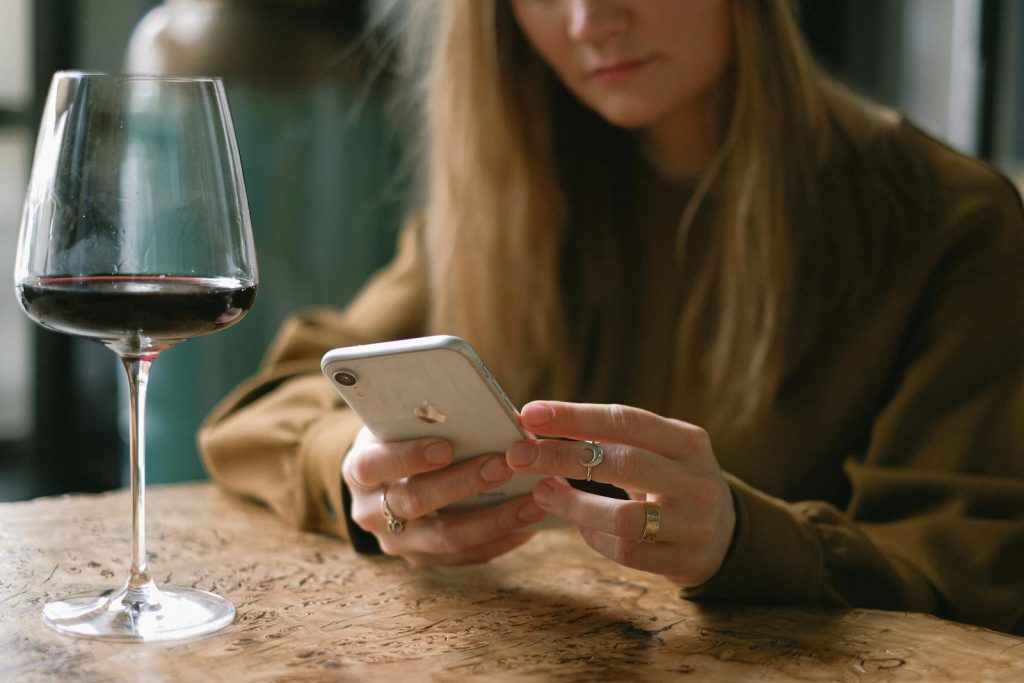
You grab your phone and swipe through an endless feed while people once read front-page stories over coffee. The content is faster and more personal, but often shallower and driven by algorithms.
You see headlines, hot takes, and memes mixed together, so separating fact from noise takes effort. That trade-off—speed over depth—defines how you consume news now.
Using emojis to express emotions fast
You send a smiley or a crying face and your mood lands instantly, without typing a full sentence.
Emojis compress tone and intent into a single tap, so your messages feel clearer and less prone to misreadings.
You use them to soften criticism, celebrate small wins, or signal sarcasm with just one icon.
Their visual shorthand speeds up chats and helps you bridge language gaps in group texts and social feeds.
Streaming shows instead of going to theaters
You used to plan nights around movie release dates; now you scroll and press play whenever you want.
Streaming put global, niche, and new-release films in your living room, so the theater is optional more often than not.
The convenience and variety mean you can discover foreign hits and binge entire series without leaving the couch.
Ordering food through apps instead of calling
You used to call, give your address, and hope they heard the toppings right. Now you tap, scroll, and customize without a single verbal mix-up.
Apps show menus, prices, and delivery times in seconds. You can track the driver, pay digitally, and reorder favorites with one tap.
Working remotely in pajamas
You probably start work steps from your bed and still join video calls with a mug in hand.
The rise of remote jobs since the 2000s turned pajamas from a novelty into a practical uniform for many.
You trade commutes for quick breaks and flexible hours, which can boost work–life balance when you set boundaries.
But you still need routines, a decent chair, and occasional real pants for in-person meetings.
Binge-watching entire TV series in one weekend
You used to wait a week for the next episode; now you can finish a whole season between Saturday morning and Sunday night. Streaming services and full-season releases turned appointment TV into an all-you-can-watch weekend habit.
You trade weekly suspense for immediate closure, which changes how you talk about shows with friends. The pace shifts storytelling, binge-friendly pacing often favors cliffhangers and rapid character arcs.
Relying on GPS instead of paper maps
You mostly trust your phone to get you where you need to go, not a folded paper chart.
GPS gives turn-by-turn directions, live traffic, and reroutes automatically, so you rarely plan a full route ahead.
That convenience costs you some navigation skills.
If your battery dies or signal drops, you might struggle to orient yourself without landmarks or a map-reading habit.
Digital dating replacing traditional meet-cutes
You swipe, message, and match from your phone instead of bumping into someone at a café. Apps made casual connections normal and reduced the stigma around meeting online.
Your dating pool broadened—geography matters less and first impressions come from profiles and photos. That changes how attraction, selection, and even small talk start.
Sharing life moments instantly via stories
You can capture a moment and have it seen by friends within minutes, not days. Stories let you share a slice of your day without crafting a long post.
They encourage quick honesty — a quick selfie, a short clip, a thought. That immediacy changes how you document memories and how others expect to receive them.
Sharing this way flattens the gap between private life and public peek, for better and worse. You get real-time connection, and you trade some privacy for that immediacy.
Wearing wireless earbuds everywhere
You walk into a coffee shop and almost everyone has an earbud in. They started bulky in the 2000s, but tiny wireless buds made constant listening normal.
You use them for calls, music, and to tune out a noisy commute. People wear them at the gym, in line, even while ordering food.
That casual ubiquity changes how you interact—more private, less spontaneous. It also reshapes fashion: earbuds are both utility and accessory.
More from Vinyl and Velvet:

Leave a Reply