

You grew up in a world that let you roam farther, play louder, and invent entertainment out of thin air. This piece walks you through ten everyday Gen X habits that felt normal then but look wild now, so you can laugh, wince, and appreciate how much social norms and technology have changed.
Bold sentence must be included: You’ll see how things like unsupervised outdoor freedom, mixtape rituals, cassette-era patience, and boombox bravado once shaped a generation’s independence and creativity.
Playing outside all day without adult supervision
You disappeared after breakfast and didn’t come back until dinner — no check-ins, no GPS, just knowing the neighborhood.
You learned to negotiate games, handle minor injuries, and navigate friendships without a parent mediating every interaction.
Sometimes you rode your bike to the park, explored creeks, or built forts with friends.
Those long, unsupervised hours taught independence, problem-solving, and a tolerance for boredom you rarely see today.
Eating snacks like Dunkaroos and Fruit Roll-Ups nonstop
You remember pulling bright packets from your lunchbox without a second thought.
Dunkaroos, Fruit Roll-Ups, Gushers—sugary, portable, and perfect for trading at recess.
You didn’t worry about labels or ingredients back then.
Snacking was about fun and status, not nutrition charts or long-term health debates.
Now those treats read differently, but the memories stick.
They still taste like summers and schoolyard bargains whenever you see them.
Using payphones to call friends
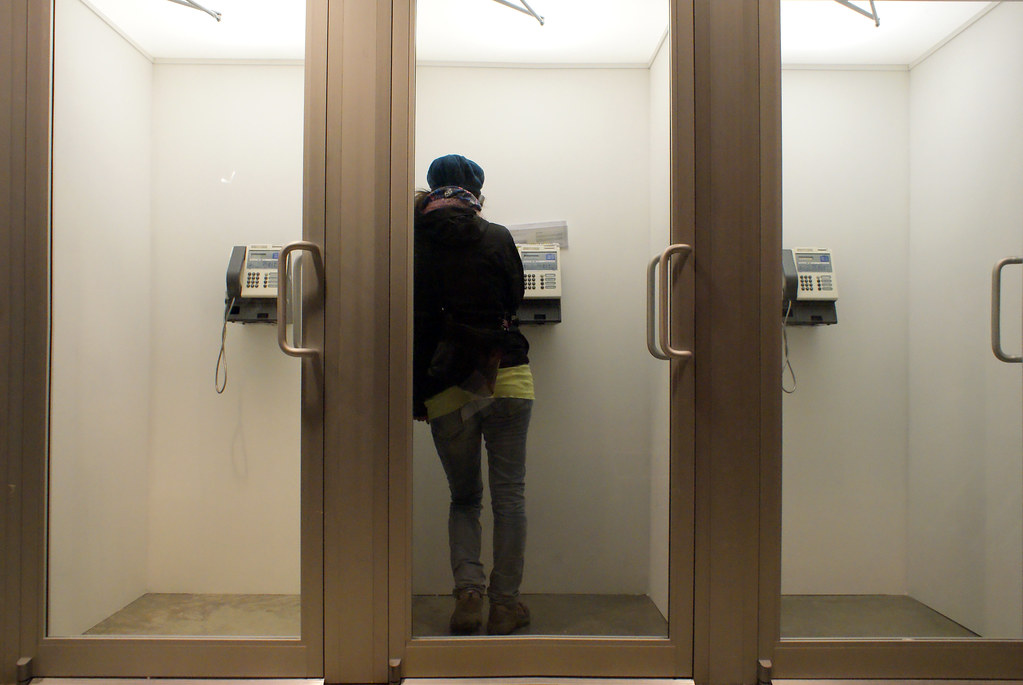
You hunted down an orange or blue payphone when you needed to call home or a friend.
You fed in coins, hoped the line wasn’t busy, and timed your chat to avoid long-distance charges.
Sometimes you made collect calls or patched through from another payphone to save money.
Waiting by a payphone taught patience and small social hacks you rarely need now.
Listening to music on cassette tapes and making mixtapes
You carried a pocket-sized music library and rewound songs with a pencil when the tape stuck.
Making a mixtape meant planning song order, timing sides, and sometimes recording from the radio — patience and intention.
You swapped tapes with friends or gave them as low-key love letters.
The hiss, the covers, the accidental skip became part of the experience you accepted without question.
Watching MTV for hours straight
You sat transfixed as music videos cycled nonstop, treating MTV like a personal radio-visual channel.
No playlists, no on-demand—just waiting for that one clip to come on and replaying it until your tape wore out.
You traded conversation for VJs, learning trends and slang from quick edits and flashy wardrobes.
It feels wild now, but at the time it was how you discovered music, style, and a slice of youth culture.
Roaming freely until streetlights came on
You left after breakfast and didn’t check in until dinner; the neighborhood was your playground.
No GPS, no permission slips — you and your friends decided plans by who showed up.
You knew the curfew: when the streetlights flicked on, you headed home.
Parents trusted you to figure out skinned knees, scraped elbows, and how to get back before dark.
Messing around with boomboxes and Walkmans
You lugged a boombox to the park and treated it like a portable concert. People crowded around; you controlled the vibe with a mixtape.
You threaded cassette tapes into Walkmans and rewound songs with a pencil when batteries died. You prized private playlists and shared them like secret messages.
You tinkered with EQ dials, swapped tapes between friends, and accepted static as part of the sound. It felt normal then, even a little rebellious.
Wearing baggy jeans and flannel shirts
You wore baggy jeans and flannel like it was a uniform, not a fashion statement.
The look said you prioritized comfort and attitude over polish, and it stuck.
Flannel layered over tees felt effortless and a little rebellious.
Today those pieces come with nostalgia — and a surprising fashion comeback.
Riding skateboards on sidewalks and streets
You rode wherever felt fun — sidewalks, streets, parking lots — and worried little about laws or lanes.
Sometimes that meant dodging pedestrians or cars; sometimes it meant getting scolded by a neighbor or cop.
Today many places ban or limit sidewalk skating and even skateboarding on roads for safety and liability reasons.
But back then you just hopped on, pushed off, and treated the city like your personal skate park.
Living through dial-up internet frustrations
You remember the shrill handshake of the modem and that slow crawl to a webpage.
You couldn’t use the house phone and the internet at the same time, so timing calls became strategic.
Pages loaded line by line while you practiced patience.
A dropped connection meant restarting the whole thing — often right before a post saved.
More from Vinyl and Velvet:

Leave a Reply