

You’ll step into a time when everyday communication looked very different — and notice how those habits shaped work and social life. This article shows eight Gen X communication habits that feel outdated now and explains why they mattered then and what replaced them.
Expect a quick tour from landlines and pagers to faxes, handwritten letters, and floppy disks, with a focus on how those choices affected timing, privacy, and teamwork. You’ll spot the practical logic behind each method and see why many of those once-standard moves feel prehistoric in today’s instant, digital world.
Using landline phones for every chat
You used the house phone for quick check-ins, long catch-ups, and even passing along messages to family members.
Calls often happened in the kitchen or on a corded handset stuck to the wall, so you timed conversations around who needed the line next.
No caller ID, no group text — just voice and patience while you waited your turn.
Today that kind of single-point, always-on tether feels oddly formal and a little slow.
Faxing documents instead of emailing
You probably remember feeding a stack of papers into a clunky machine and waiting for the noisy beep.
Faxing meant real-time transmission of signed forms, but it required paper, dedicated phone lines, and patience.
Now you expect instant digital attachments and searchable PDFs.
Still, some industries kept faxing for legal or procedural reasons, so you might encounter it at clinics or courts.
Writing and mailing handwritten letters
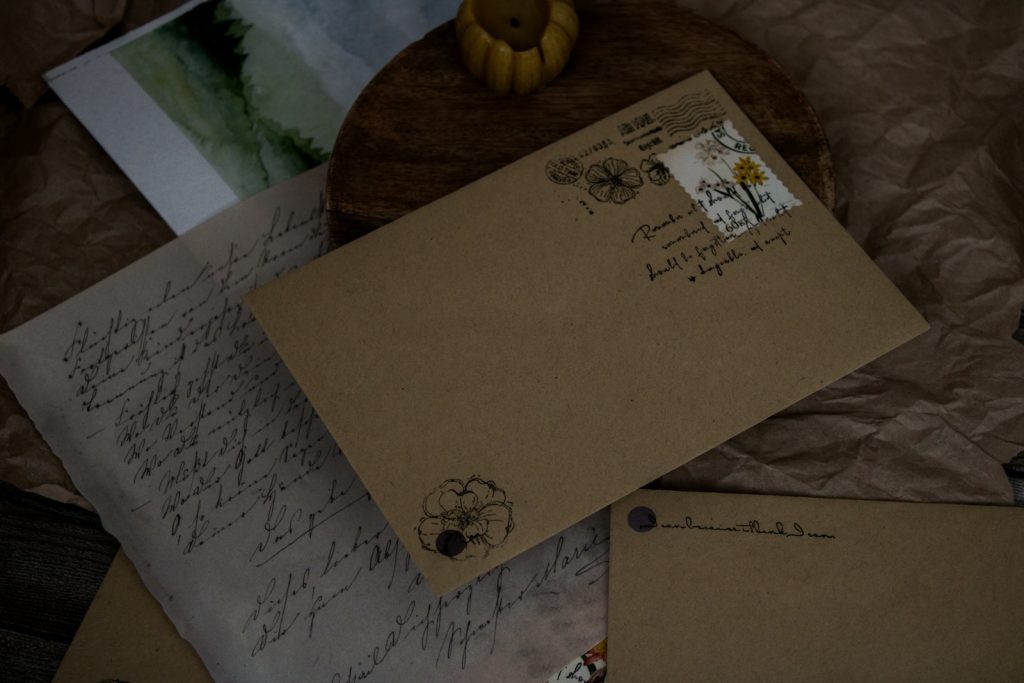
You used to sit down with paper and pen and craft a message that lasted beyond the moment.
Folding the page, addressing the envelope, and waiting days for a reply made communication deliberate.
You chose stationery and ink like tools of intent; your words felt more considered.
Now you tap and send in seconds, but those slow rituals shaped patience and memory.
Sending physical memos at work
You used to drop a typed memo on someone’s desk and wait for a reply by end of day. It felt formal and concrete; paper carried weight and required attention.
Now you’d shoot a quick chat message or email and expect an instant answer. Physical memos slow workflow and clutter desks, so most teams swapped them for digital threads.
Relying on pagers to get messages
You used to carry a small beep that meant someone needed you.
Pagers sent short alerts or brief alphanumeric notes, so you often called back from a payphone or landline.
The system worked for urgent stuff, but it was clunky by today’s standards.
Messages arrived late, lacked context, and you couldn’t have a quick back-and-forth chat.
Waiting to check voicemail frequently
You used to expect a message any minute and checked the answering machine like it might hold a plot twist.
Voicemail required patience: no read receipts, no instant previews, just the slow ritual of dialing in and listening.
Now you tap a notification and read what was said or shoot a quick text instead.
That old waiting habit feels oddly formal next to today’s instant updates.
Using floppy disks to share files
You carried a small plastic square that held your documents, photos, or the latest game save.
Sticking it into another computer felt like handing someone a tiny, physical email.
You had to watch file sizes and hope the disk wasn’t corrupted.
No instant uploads, no cloud—just a literal handoff and a bit of luck.
Organizing face-to-face meetings over calls
You used to schedule in-person meetings for anything important, trusting body language and direct conversation.
Now you balance that instinct with how much time people have and whether a quick call or chat would do.
When you pick face-to-face, aim for clear purpose and a short agenda so the meeting earns the commute.
Respect others’ schedules: offer a virtual option and confirm it’s worth the extra effort.
More from Vinyl and Velvet:

Leave a Reply