

A vintage lighter with a baseball player on the side is the kind of find that sets a collector’s heart racing, until you try to work out who the player is. In a post from November 23, 2026, @curatedflamepittsburgh shows off two old lighters and asks the questions that have kept hobbyists talking: “Who’s the ballplayer? Who made the bottle?”
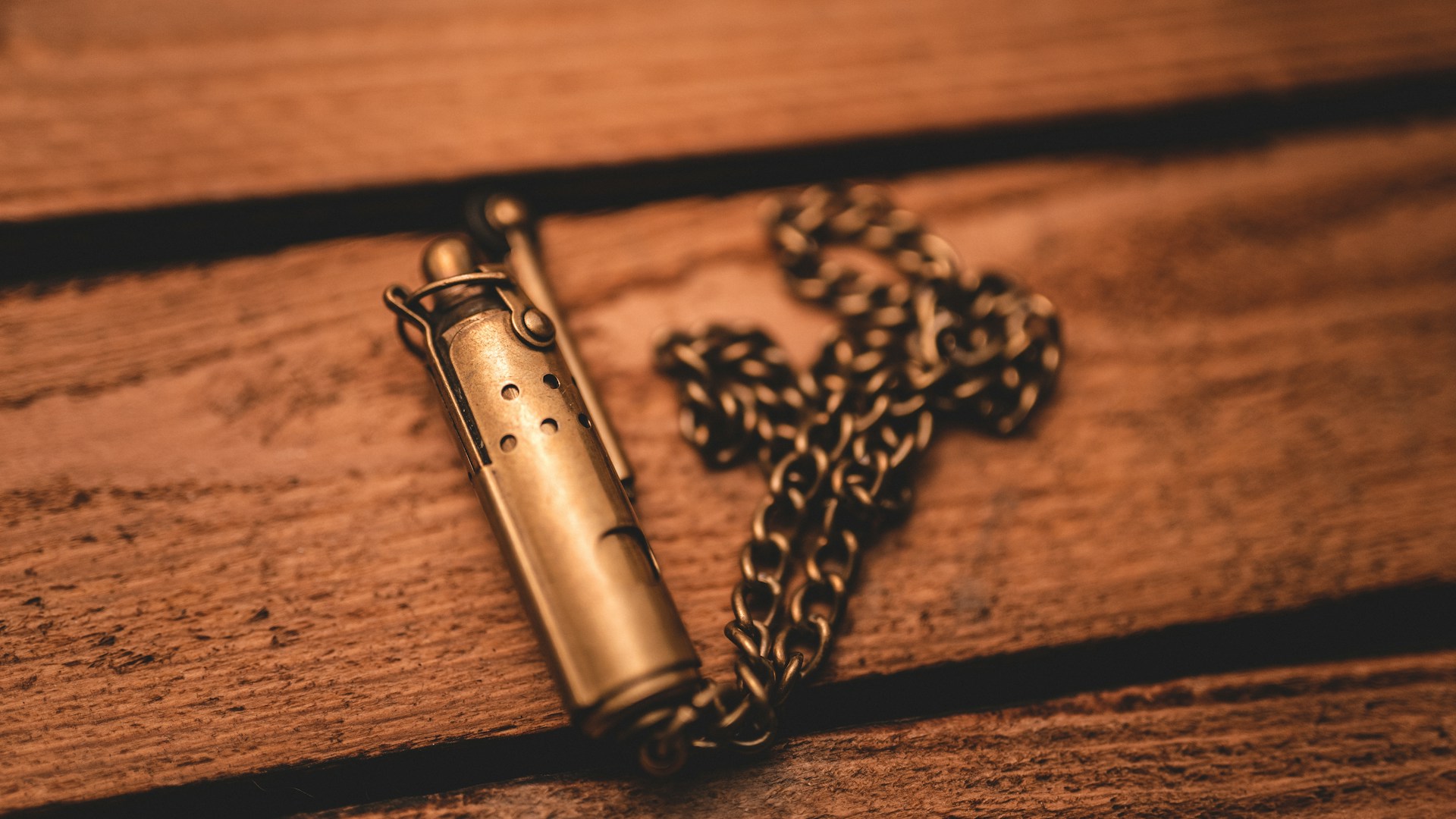
The caption tags the post #VintageLighters and #Antiques, and the short reel packs in more history than most museum placards.
View this post on Instagram
Is It Honus Wagner Or Babe Ruth On The Lighter?
The creator starts with a note of honest frustration. “It’s unfortunate,” he says, but there is a lot of information about cool vintage lighters that simply is not out there.
For the first lighter, the maker is known. The creator says “Lewis and Ronson made this,” yet even with that credit in hand, collectors are split on the batter. According to him, it is “debated” whether the figure is Honus Wagner or Babe Ruth.
That is a juicy argument for a baseball fan. Wagner was a Pittsburgh Pirates legend, and Ruth is probably the most famous slugger who ever lived, so each name has plenty of fans ready to claim the lighter for their hero.
Why Pittsburgh Collectors Love A Wagner Mystery
The account behind the post is based in Pittsburgh, which gives the Wagner guess extra charm. Honus Wagner is a hometown name there, and his baseball card from the early 1900s is one of the most talked-about collectibles in the whole hobby.
Still, a hunch is not proof. Lighters of this era often showed a generic ballplayer in a swing or a pitch, and the details on a small metal sculpture can be too simple to settle a debate.
That is part of the fun. When a piece does not come with a name tag, the hobby turns into detective work, and every collector gets to bring their own clues to the table.
The Second Lighter Has No Markings At All, And That Is Not A Surprise
Then the creator turns to a second piece, and he points out that it was left unmarked. “Which Ronson was known to do,” he explains, “but that doesn’t necessarily mean it was made by him.”
That is a useful reminder for anyone who buys vintage lighters. A missing name does not automatically tie a piece to a famous maker, and a famous maker does not guarantee that every unsigned piece came from the same factory.
Ronson was one of the best-known lighter names in America, and its pocket and table lighters were popular gifts for decades. A company that large could leave some pieces unsigned and still have collectors guessing generations later.
“It Is For Someone Trading Commodities In Scotland”
Here is the twist the creator likes best. “What makes this lighter super cool,” he says, “is that it is for someone trading commodities in Scotland.”
That one sentence turns a plain object into a story. A commodities trader of that day would have spent long hours on the phone and at the exchange, and a handsome lighter was exactly the sort of personal gift that signaled success and a good business relationship.
It also shows how lighters were often personalized or commissioned for a particular person. The piece may carry no name, but it was made with someone in mind, which makes it more than a mass-market trinket.
How To Research An Unmarked Vintage Lighter
If you own a lighter like these, start with the base. Look for maker names, patent numbers, city names or tiny stamped logos, and use a magnifying glass and a bright lamp because the marks can be faint.
Next, look at the mechanism. The style of the flint wheel, the hinge and the wick can help narrow down the decade, and comparing them with pictures in collector guides and old company catalogs is one of the best ways to date a piece.
Be gentle with cleaning. Heavy polishing can wipe away plating and fine detail, and collectors generally prefer honest wear to a shiny finish that has lost its character.
Finally, talk to people. Collector groups and specialized dealers have seen thousands of lighters, and a good question with clear photos from every side is often how a mystery finally gets solved.
What Makes A Vintage Lighter Worth Hunting For
Lighters sit at the crossroads of several collecting hobbies. Baseball fans want the athlete, advertising fans want the logo, and design lovers want the sleek metalwork that made a lighter feel like jewelry for the pocket.
Condition matters, and so does the story. A piece that comes with a name, a date or a tale about who it was made for is easier to place and often more fun to own, even when the exact maker takes a little detective work.
Why These Little Mysteries Keep The Hobby Alive
Not every antique comes with a certificate. The lighters in this post sit in a gray zone where the maker is known, the subject is debated, and the story behind the second piece comes from the details of who it was made for.
That mix of fact and open question is what keeps collectors scrolling, commenting and digging through old catalogs. If you have a lighter in a drawer with a ballplayer, a sailing ship or a set of initials, it may be worth a second look.
More Stories You May Like
- Garage Sale Bag Cost Just $1 And Mostly Held Scrap, Until One Vintage Gruen Precision With A Patina Dial Made The Whole Gamble Worth It
- Vintage Ring Listed With A Dull Purple Cloudy Stone Gets Sold At Melt Value, Then A Careful Cleaning Reveals A Quality Piece Nobody Saw Coming
- Toy Dealers Buy A Collector’s Boxes Of Vintage Toys, Then Find He Opened Sealed Boxes To Shove 50¢ Happy Meal Toys Into Every Empty Space

Leave a Reply