

You’ll take a fast trip through ten discontinued 80s classics that shaped music, play, fashion, and tech—items you might have owned, coveted, or only seen in old photos. You’ll discover which iconic gadgets, toys, and accessories actually disappeared from shelves and why they still spark nostalgia today.
This article guides you through each pick, from portable music players and handheld games to viral toys and must-have sneakers, so you can test your memory and relive the decade’s quirks. Dive in and see how many of these familiar names you can still picture.
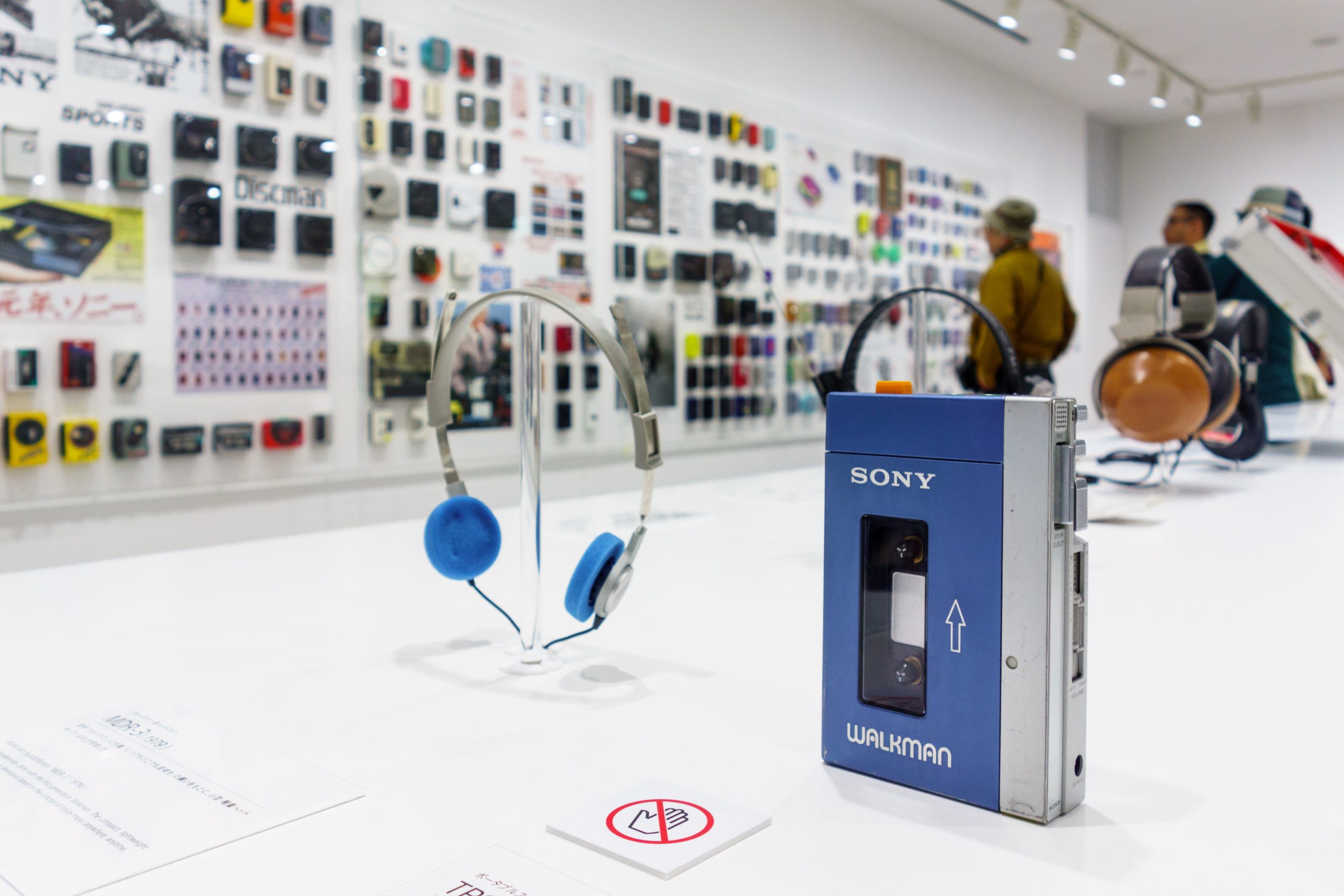
Sony Walkman TPS-L2
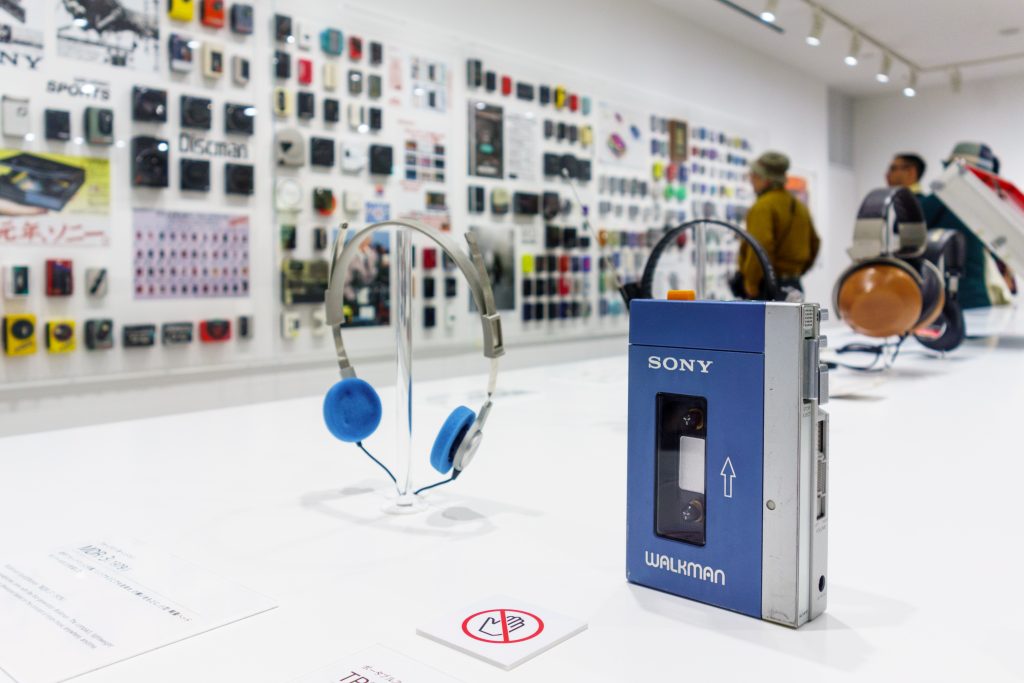
You probably remember slipping on bulky headphones and popping in a cassette. The TPS-L2 arrived in 1979 and made personal, portable stereo listening a thing.
Sony adapted a press recorder to create a lightweight player you could carry on flights or walks. It let two people listen at once and sparked a culture of portable music long before digital players.
Cabbage Patch Kids
You probably remember the chaos when these dolls first hit stores in the early ’80s.
Shoppers lined up for hours, and some stores even saw fights over the last dolls on the shelves.
Each Cabbage Patch Kid came with a unique name and adoption papers, which made them feel personal.
They started as handmade creations and grew into a nationwide craze before production eventually slowed and certain lines were discontinued.
Polaroid OneStep Camera
You probably recognize the chunky white body and big front shutter button from family albums.
Released in the late 1970s as an affordable, simplified Land Camera, it made instant prints easy for everyone.
You load Type 600 or modern i-Type film and press once — rollers eject a bordered print seconds later.
Its fixed-focus lens and built-in flash keep shooting simple, which is part of the charm.
Rubik’s Cube
You probably remember twisting that colorful cube until your fingers hurt. It exploded into popularity in 1980 and became one of the decade’s biggest toy obsessions.
You might have seen it in movies, ads, and on classroom desks. Millions were sold, and it still shows up in nostalgia collections and speedcubing today.
Atari 2600
You probably remember the blocky graphics and simple controls that hooked you for hours.
The console launched in the late 1970s and dominated the early 80s, bringing classics like Adventure and Missile Command into your living room.
Cartridges were small but packed with creativity, and many titles were later reissued or bundled in retro collections.
If you kept any boxed games or a working unit, they can be treasured nostalgia pieces today.
Tamagotchi
You probably remember the tiny egg-shaped pet that beeped until you fed it.
Released in the mid-1990s, Tamagotchi made you responsible for a pixelated creature with just three buttons and simple care tasks.
It started a global virtual-pet craze and showed up in pockets, classrooms, and backpacks.
If you lost track of its needs, the little screen could get very noisy — and your classmates would notice.
Reebok Pump Sneakers
You probably remember the Pump’s inflatable tongue bladder and that satisfying squeeze.
Released in late 1989, the Pump let you dial in a custom fit around the ankle for added support.
They felt futuristic and bulky compared with other 80s sneakers, which helped them stand out on courts and in pop culture.
Today they live on as retro icons, and occasional reissues remind you why the original stuck in so many memories.
Nintendo Game Boy
You probably remember the brick-shaped Game Boy from 1989, a chunky handheld that fit in your pocket and lasted for hours on batteries.
Its monochrome screen and simple controls made games like Tetris and Link’s Awakening easy to pick up anywhere.
By the late ’90s the Game Boy gave way to the Game Boy Color, which ended many original Game Boy lines.
If you owned one, it likely defined how you first experienced portable gaming.
Boom Box
You probably remember lugging a boom box to the park or blasting it from your apartment window.
Those bulky players combined radio, cassette decks, and big speakers so your music traveled with you.
Some models were flashy and loud; others aimed for clearer sound or programmable cassette play.
Today you can find replicas with Bluetooth, but the original 80s machines had a distinct analog charm.
Furby
You probably remember Furby as that oddly vocal, blinking furball that learned words over time.
It launched in 1998, not the 80s, but its late‑90s craze feels tied to that retro toy era you love.
You fed it “Furbish” and English, watched it mimic speech, and sometimes unplugged it to stop the noise.
Collectors now hunt special editions, so your old classroom Furby might be worth a look.
More from Vinyl and Velvet:

Leave a Reply