

You step into a time before smartphones and constant connectivity, where everyday life hinged on physical objects and simple routines. This quiz will test how well you remember the habits, gadgets, and small freedoms that shaped daily life in the 90s before the internet took over.
Expect questions that tap into the feel of the era — from cassette players and VHS rentals to payphones, beepers, and weekend cartoon rituals — and see how many moments still click for you.
Landline Phones and Rotary Dials
You probably used a landline to call friends or the pizza place, dialing by hand instead of tapping a screen.
Rotary phones kept things simple: you turned the dial, waited for the pulse, and listened for the ring.
If you still find one, it might work on some modern systems with an adapter that converts pulses to tones.
But many carriers phased out full support, so compatibility can be hit or miss.
Cassette Tapes and Walkmans
You carried music in your pocket on a tiny plastic tape long before streaming existed.
Mixtapes let you curate mood and message, recording songs off the radio or from friends.
The Walkman made music portable and private, with earbuds sealing you into your own soundtrack.
Batteries, tape jams, and flipping cassettes were part of the ritual—flaws that felt charming then.
VHS Tapes and VCRs
You probably rented movies or taped TV shows onto VHS cassettes using a VCR.
Those machines used magnetic tape and mechanical heads to record and play analog video.
You had to rewind or fast-forward to find scenes, which could take ages.
VHS and VCR technology made home movie collections and time-shifted TV common before streaming existed.
Dial-Up Internet Sounds
You remember the screeching, beeping handshake that meant your computer was connecting.
That sequence of tones signaled a negotiation between your modem and the ISP over a phone line.
You had to wait through static and clicks before pages slowly loaded.
The sound can still trigger nostalgia or mild frustration, depending on your memories.
Beepers and Pagers
You wore a pager clipped to your belt when being reachable mattered but a phone wasn’t practical.
They beeped or displayed numbers so you could call a specific pay phone or line back.
Messages were short and often coded with shorthand you and your friends understood.
Hospitals and emergency crews still used them because radio coverage was reliable and simple.
Playing Outside Until Dark
You left the house after dinner and didn’t worry about a phone or GPS.
Neighborhood rules came from parents’ voices at windows and the glow of streetlights.
Games changed with the seasons—kickball in summer, flashlight tag in fall.
You learned independence, negotiated friendships, and came home with scraped knees and big stories.
Using Public Payphones
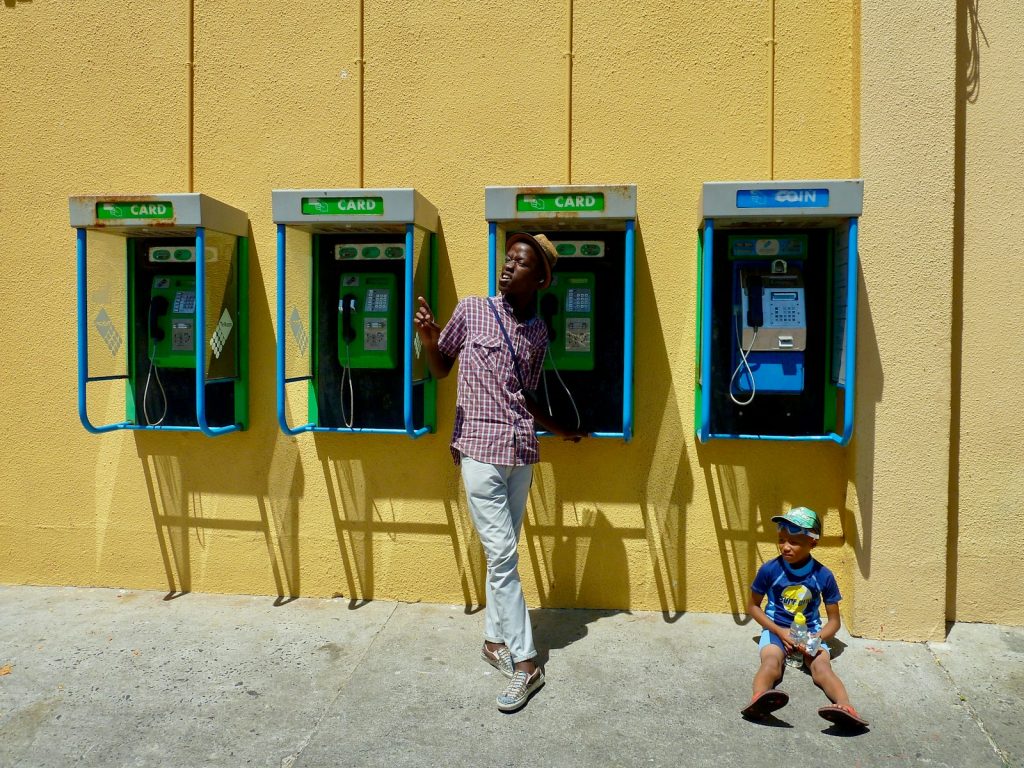
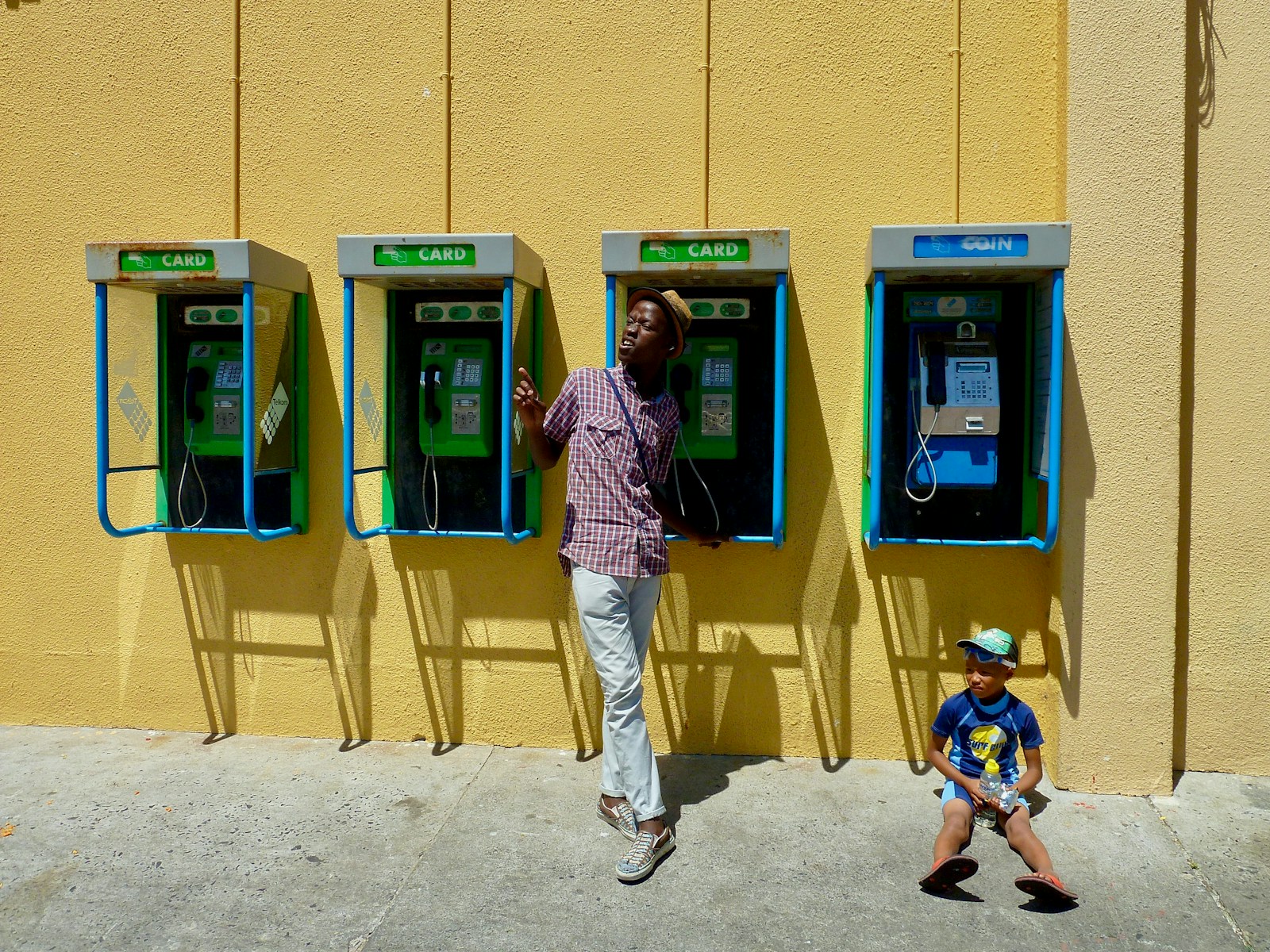
You kept quarters and a phone card in your pocket for emergencies or long days out.
Payphones sat on street corners, in malls, and at gas stations — they were the reliable way to call home.
You learned to listen for the dial tone and feed coins quickly when time ran out.
Operator assistance or collect calls saved you when you had no change or needed a long-distance connection.
Tamagotchis and Digital Pets
You probably remember clutching a small egg-shaped device, feeding beeps and checking lights between classes.
Those handheld pets taught you routine care and created performance-style anxiety when they beeped in public.
They also sparked a nostalgia that keeps digital pets alive today, now updated with AI and apps.
You can see how simple pixel care grew into a wider conversation about companionship and tech.
Polaroid Instant Cameras
You could snap a photo and watch it develop in your hands within minutes, no screens involved.
Polaroids simplified photography: point, shoot, wait — the surprise was part of the fun.
Carrying film packs meant you had to think before shooting, so your shots felt more deliberate.
Refurbished 600-series and other vintage models still give that tactile, nostalgic experience you can’t replicate digitally.
Watching Saturday Morning Cartoons
You woke up early, cereal bowl in hand, and tuned the TV to a channel that actually scheduled cartoons. Networks ran blocks of shows you couldn’t stream later, so missing one meant waiting a week.
Characters and theme songs stuck with you for years. You traded stickers and debated which cartoon ruled the morning while the rest of the house slept.
More from Vinyl and Velvet:

Leave a Reply