

You’ll get a quick, fun trip back to the 2000s that tests what stuck with you and what slipped away. You’ll find out which everyday details from that decade still live in your memory and which ones feel oddly faded.
Expect prompts that nudge the mind — from phone numbers and passwords to grocery lists and school memories — so you can compare a flicker of nostalgia with concrete recall. Keep your guesses handy and enjoy spotting which small, ordinary things say the most about how your memory works.
Your partner’s birthday
You can tap into 2000s nostalgia with small, thoughtful gestures that remind them of your shared past.
Think mixtapes (digital playlists now), old-school movie nights, or snacks you both loved back then.
Pick one memory and build the day around it—simple, personal, and low-pressure.
Keep the focus on connection rather than flash; those quiet, familiar touches matter most.
Your best friend’s phone number
Remember when you actually memorized your best friend’s number and dialed it without checking your phone? That small skill felt important and low-tech.
You probably chunked the digits into groups or linked them to birthdays or a favorite song. Repetition helped—saying it aloud or typing it a few times made it stick.
Now you likely store it in contacts, but try recalling it once for fun. You might surprise yourself.
The password to your main email
You probably used that one password for everything back then. It mattered more than any other password because it let you reset bank, social, and shopping accounts.
If you still remember it, that shows habit — not security. Today you’d choose a unique, strong password or a password manager to avoid easy takeovers.
The grocery list from yesterday
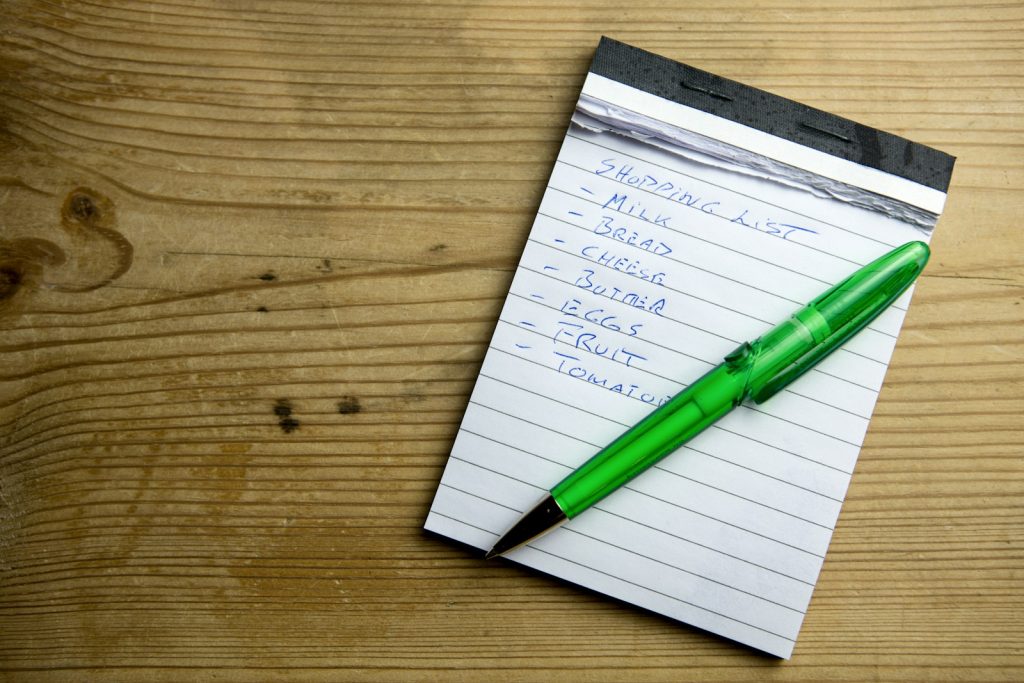
You scribbled basics: milk, bread, eggs. Small staples that felt routine then, like now.
You might also find aisle staples that shout early-2000s—instant noodles, soda, a branded snack you bought on impulse. The list shows habits more than trends.
Looking back, the handwriting and product names tell a story about convenience and comfort. You remember the quick stops more than the exact brands.
The route you take to work
You probably remember landmarks along your commute—coffee shop, bus stop, that weird mural.
Use those spots like memory anchors to jog other details, such as song lyrics or coworkers’ names.
Picture the route in order and mentally place items from the 2000s at each stop.
Walking the path in your mind makes recalling small everyday things easier when you actually need them.
Your social security number
You probably learned your Social Security number as a kid and punched it into school forms more than you remember.
Those nine digits stuck because people often chunk them into groups (xxx-xx-xxxx), which makes recall easier.
You still use parts of it today — banks and employers ask for the last four all the time.
If you can’t recite the full number, you can usually find it on old tax forms or your Social Security card.
Your childhood home address
Can you still say your old address without pausing? Many people can — it sticks because you repeated it for years and tied it to routines like mail, school, and summer rides.
If it comes back instantly, that’s a sign your spatial and episodic memory kept a small but durable fact.
If you struggle, that’s normal too; moving, time, and new routines blur details.
The name of your favorite teacher
Think about who taught you something that stuck — maybe Mrs. Lopez or Mr. Chen.
You probably remember their voice, a phrase they used, or how they made school feel manageable.
Write their name down and see what else comes back: a classroom poster, a joke, a small act of kindness.
Those tiny details often reveal why they mattered to you.
The last book you read
Think about the last book you finished in the 2000s — maybe a paperback you dog-eared or an airport read.
You probably remember a few scenes, a memorable line, or why it stuck with you more than the dozens you skimmed.
If details feel fuzzy, recall where and when you read it; context often unlocks memories.
Jotting one sentence about why it mattered helps lock the book in your mind for years.
The appointment time of your next doctor visit
Remembering the appointment time felt simpler in the 2000s—paper reminders, fridge magnets, maybe a calendar with your handwriting.
You probably checked the time twice and still showed up a few minutes early, or late if traffic won.
Today you might get texts, emails, or a phone call reminder.
Still, jot the time down and set a phone alarm so you don’t rely solely on tech.
More from Vinyl and Velvet:

Leave a Reply