

Offices clear out their old equipment all the time, and what looks like junk to a manager can look like treasure to someone else. That is the idea behind a video from VWestlife, a YouTube channel devoted to vintage tech.
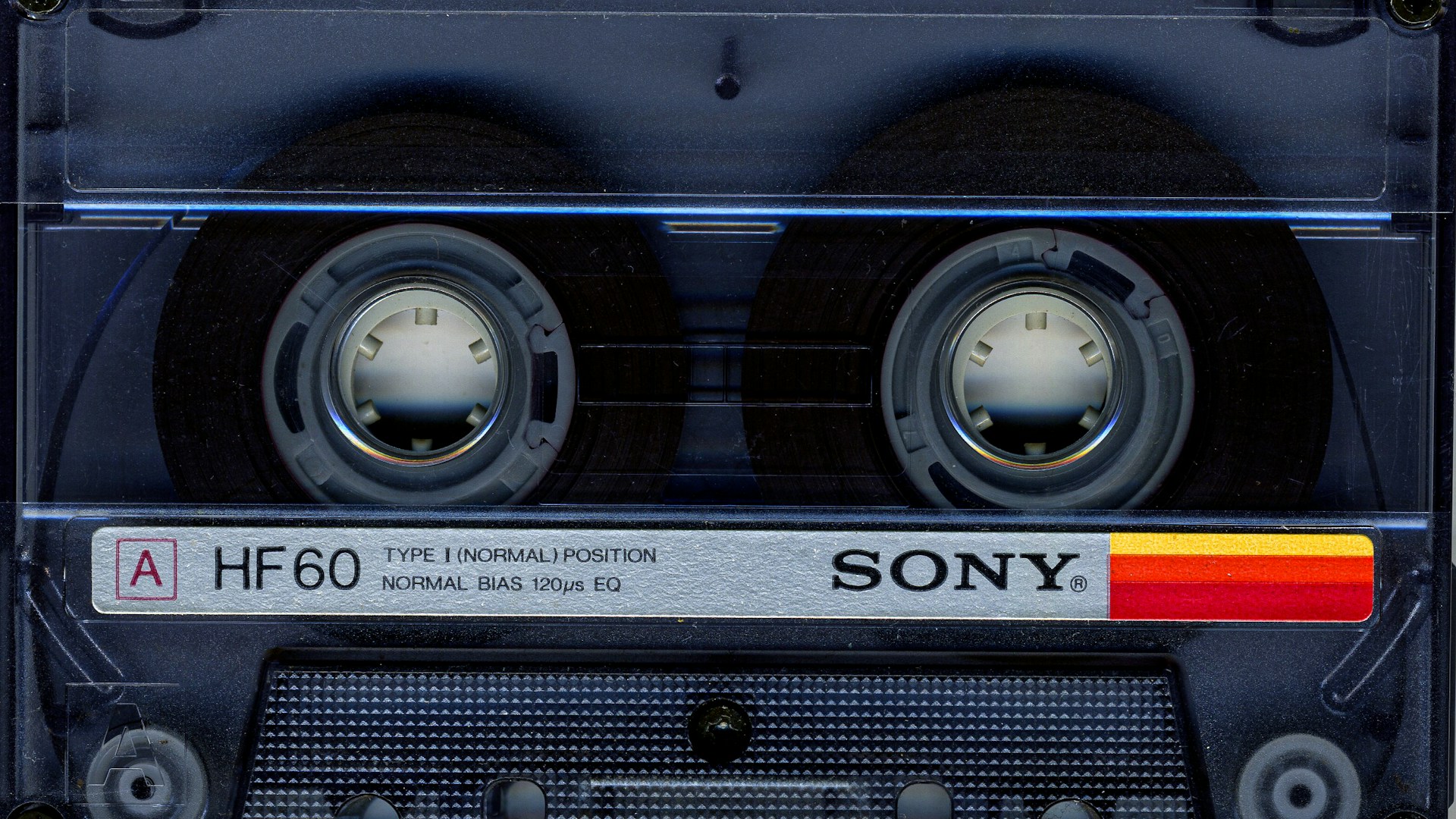
The story begins with a company ready to throw a cabinet of old microcassette dictation machines into the e-waste pile. Then one man took a Sony model home instead, and a little piece of recording history was saved.
A Whole Cabinet Of Dictation Machines Headed For The Dumpster
Dictation recorders were once everywhere. Executives, doctors, lawyers and reporters spoke their notes into small handheld machines, and secretaries typed them up later.
When offices moved to digital tools, those machines stacked up in drawers and cabinets. In the video’s story, a company was ready to send a whole cabinet of them to the e-waste pile.
One Man Took A Sony Model Home Instead
Rather than see it go in the bin, a man rescued a Sony microcassette machine and brought it home. It is a small act, but that is how many vintage gadgets survive.
The video is titled Microcassette madness, and it follows the fascination that collectors have with these tiny recorders and the cassettes they use. For fans of old technology, rescuing one from a cabinet is a small victory.
What A Microcassette Actually Is
The microcassette was introduced by Olympus in 1969 as a much smaller cousin of the standard compact cassette. The tape is narrow and the cassette is about the size of a matchbook, which made it perfect for pocket recorders.
It typically ran at two speeds, a normal speed and a slower one that doubled the recording time. That made it a favorite for long meetings and lectures, though the slower setting came at some cost to sound quality.
Sony, Olympus, Panasonic and other brands all built machines for the format, and they became standard equipment in offices and newsrooms through the 1980s and 1990s.
From Office Staple To Answering Machine Tape
Microcassettes were not limited to dictation. Many home answering machines used them to record messages, so millions of households owned a small cassette without thinking about it.
Journalists carried recorders in their pockets, students taped lectures, and people used them to jot down quick notes while driving. A tiny recorder was a symbol of being organized and ready for anything.
Why Old Gadgets Land In E-Waste, And Why That Matters
Electronics contain metals and materials that should not end up in a landfill. Responsible recycling keeps them out of the environment and recovers useful materials, so the e-waste pile is not a bad place for broken equipment.
Working machines are another matter. A recorder that still plays can be a treasured find for a collector, a musician looking for a lo-fi sound or someone who wants to hear an old family tape.
If you are clearing out an office, a basement or a relative’s home, it is worth checking whether gadgets work before they go in the bin, and asking friends or collectors whether anyone wants them.
Why Collectors Love The Tiny Tape Format
Retro tech fans enjoy microcassette recorders for their size, their sound and their sturdy design. A Sony recorder from that era feels solid in the hand, and the click of the buttons is satisfying in a way that touchscreens never are.
Some musicians and podcasters also use microcassette machines for a warm, lo-fi texture, and artists have recorded demos and sound effects with them. The format has a devoted following that keeps these machines from disappearing.
When buying one, test the playback and record functions, check the battery compartment for corrosion and look at the belt, since rubber belts inside older recorders often stretch or break and cause the tape to run at the wrong speed.
Save Your Own Old Tapes
If you have microcassettes with family messages or old recordings, now is a good time to copy them. Tapes age, and the magnetic coating and the rubber parts inside a player can wear out over time.
A working player and a simple cable to a computer let you record the audio digitally. Clean the heads gently with a cotton swab and a little isopropyl alcohol before you start, and replace the batteries or use the power adapter.
- Store tapes upright in a cool, dry place, away from magnets and heat.
- Keep the original cases to protect the cassettes from dust.
- Label each tape with a date and a name, so it is easy to find later.
The Rescue That Keeps History Alive
Every vintage collection starts with someone saying, I will take that one home. A single Sony recorder saved from a cabinet is a small piece of a larger story about how people captured their voices and ideas.
It is a good reminder that what one person sees as clutter, another sees as history. Take a second look before anything goes to the curb, and you might save something special.
More Stories You May Like
- Slayer Stop Their Reign In Blood 40th Anniversary Show Eight Songs In After Fans Start Trashing The Venue, And Tom Araya Threatens To Go Home
- Oasis Gets Into The Rock Hall With Not A Single Member In The Room, And Noel Gallagher Had A London Show Booked For The Same Night
- Iron Maiden Goes Into The Rock Hall While Rocking Halfway Around The World, And Annie Clark Leads The Trooper After Once Playing It On Bass At A Middle School Talent Show

Leave a Reply