

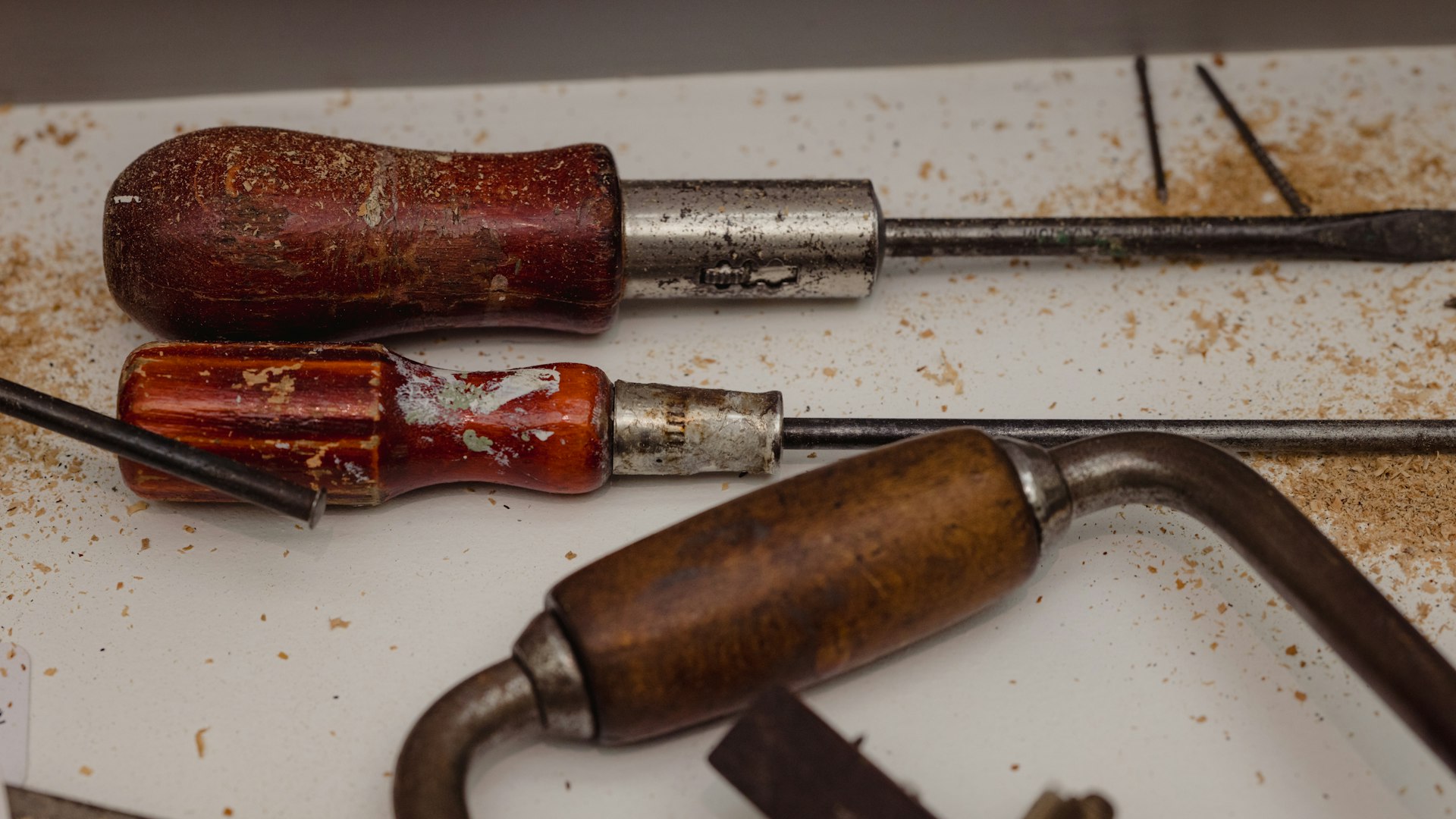
Some objects carry a whole childhood inside them. For @jensoltys, that object is a pin-up screwdriver he took from his grandparents’ house, the same one he flipped back and forth all day when he was a kid.
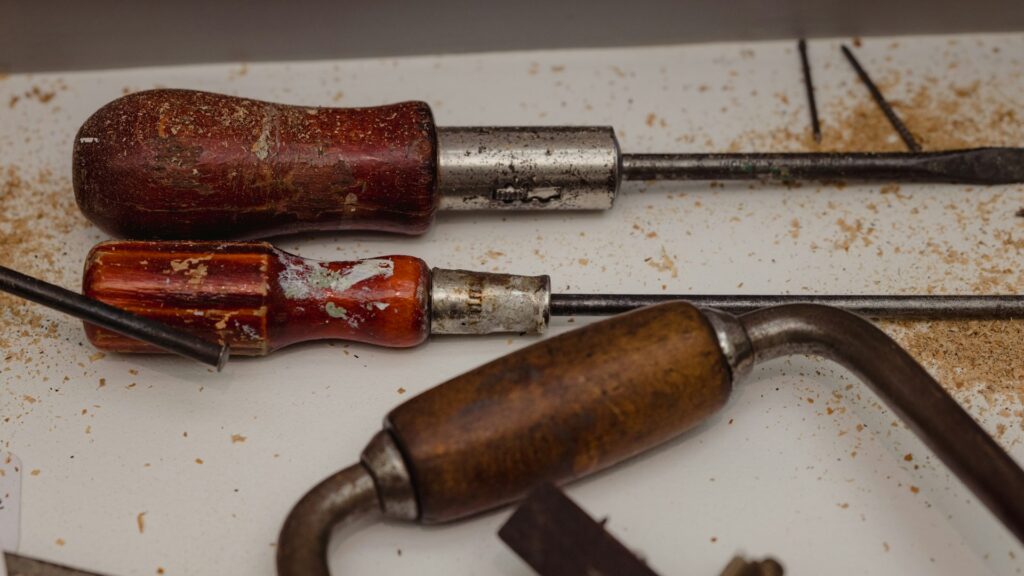
Now an adult, he holds it up and guesses that it is 60 or 70 years old. The best part, he shows, is that it still works.
View this post on Instagram
The Toy He Never Put Down At His Grandparents’ House
Every grandparents’ house has that one drawer. It holds string, rubber bands, batteries that may or may not work, and a handful of tools that somehow entertain a child for hours.
For him, the star of that drawer was this screwdriver. He says he flipped it back and forth all day, the way kids fiddle with anything that clicks, spins or feels satisfying in the hand.
Taking it home now turns a small piece of shop gear into a keepsake. It is no longer just a tool, it is a link to long afternoons in a house full of familiar sounds and smells.
He Guesses It Is 60 Or 70 Years Old And It Still Works
Sixty or seventy years puts the screwdriver somewhere in the middle of the last century. That was an era when tools were expected to last a lifetime, and a good one was handed down rather than replaced.
That is the charm of old hand tools. With a steel shaft, a solid handle and no batteries or circuits to fail, they can outlive the people who first bought them.
His guess about the age comes from his own memory and the look of the piece, so it is a friendly estimate rather than a certified date. It still tells a story about how long some things are built to last.
Why Tools From That Generation Rarely Quit
People who grew up in the 1940s and 1950s lived through years when money was tight and waste was frowned upon. A screwdriver was bought once, kept in the same spot for life, and fixed or sharpened if it ever got worn.
Many of those tools were forged from solid steel and fitted with wood or early plastic handles. Without cheap thin metal or glued-together parts, they held up to decades of kitchen-table repairs and garage projects.
That is why an old screwdriver that still turns smoothly after 60 or 70 years is no miracle. It is simply what well-made gear looks like when it has been looked after, and it explains why so many families treasure a few tools from the generation before.
What Makes A Pin-Up Screwdriver Special
Pin-up artwork was a staple of mid-century America. It showed up on calendars, service station giveaways, playing cards and, yes, on tools, with the pictures tucked into handles or printed on them.
Advertising screwdrivers were a common promotional item in those years. Businesses handed them out to customers so their name would stay in the toolbox for decades, and some of them were more playful than others.
Today, collectors of advertising and novelty tools prize examples that are in good shape with clear artwork. A piece that looks well-loved, like one flipped around by a child for years, will usually be worth more as a memory than as an item for sale.
How To Tell If An Old Tool Is Worth Keeping
If you have a drawer like this at home, a few quick checks can help you decide what to keep. Old tools are often more than they appear, and a little care goes a long way.
- Look for stamped names, logos or patent marks on the metal and handle, which can help date the piece.
- Check that moving parts still work smoothly, and add a drop of light oil if they stick.
- Wipe off surface rust with fine steel wool and a little oil rather than a harsh grinder.
- Keep any original packaging, paper tags or promotional wrapping, since collectors like them.
Before you sell anything, compare it with similar items that have actually sold, not just ones with a high asking price. Condition and clear artwork matter more than age alone.
If you want to pass an item like this along, write a short note about where it came from and tuck it in the drawer with the tool. A date and a name today can answer questions for your grandchildren later.
Why We Keep The Things We Grew Up With
Psychologists often point out that objects tied to childhood memories can feel comforting, which is part of why vintage items sell so well. A screwdriver might seem plain to a stranger, but it can be priceless to the person who spent summers holding it.
That is the heart of this story. A small, well-made tool from a grandparents’ house traveled across decades, and it came out the other side still doing its job.
If you have something like that, give it a spot on a shelf or a place in your own toolbox. Use it, show it to the kids, and tell them how it came to you, because the story is part of the object.
Handing it down again keeps that chain going. Maybe in sixty years a grandchild will be flipping it back and forth, and wondering how old it really is.
More Stories You May Like
- Mustang Sat In A Chicago Garage For 14 Years, Then A Mechanic Drained Nearly 10 Gallons Of Stale Gas From A 1968 Shelby GT500 That Carroll Shelby Signed Himself
- Writer Nobody Would Publish Mailed 200 Copies Of His Story As A Christmas Card, Then A Hollywood Producer Turned It Into A Film That Lost Money Before Television Made It A Classic
- She Paid $7.99 For An Ugly Thrifted Mirror Shelf That Sat Untouched For Months, Then Hung It, Painted It, Caulked It And Called It Her Most Trust The Process Flip

Leave a Reply