

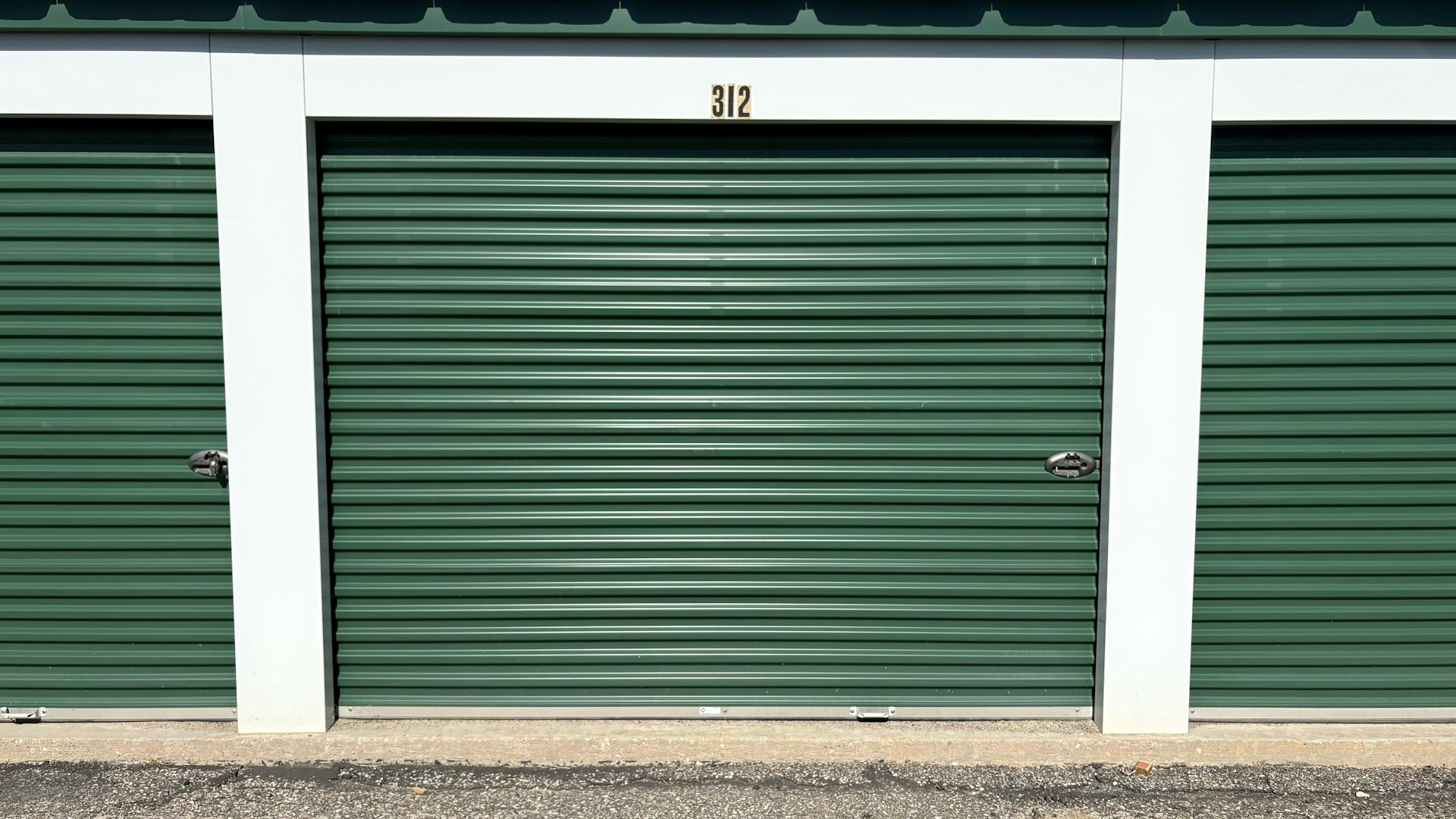
Ten thousand dollars is a lot of money to spend on a door nobody has opened in nearly three decades. But that is exactly the bet storage auction hunter @storageauctionpirate made when he paid $10,000 for a unit that had been locked up for 28 years.
He has a particular prize in mind. As he starts digging through the boxes, he is hoping to find a mint copy of Super Mario Bros. 3.
View this post on Instagram
A 28-Year-Old Lock And A $10,000 Gamble
A unit that stayed shut for 28 years was last packed around the late 1990s, when dial-up modems were still screeching and the Nintendo 64 was the hot new console. Whatever went in there has been sitting in the dark ever since, waiting for someone to cut the lock.
That kind of age is exactly what draws collectors to storage auctions. Older units are more likely to hold items from an era people now chase, from toys and games to records and old furniture.
Why A Mint Mario 3 Is The Dream Find
Super Mario Bros. 3 reached American stores on the NES in 1990 and became one of the best-loved games of the era. Many families bought it, played it until the cartridge wore out and tossed it in a closet.
A mint copy is another story. Condition drives value in game collecting, and sealed, high-grade copies of classic NES titles have sold for six-figure sums at auction in recent years.
That is why the hunter is not just hoping for any old cartridge. He is looking for one that stayed in perfect shape for nearly three decades.
The Little Gray Cartridge That Changed Video Games
Super Mario Bros. 3 first hit store shelves in Japan in 1988, then crossed the Pacific two years later. It introduced the raccoon suit, the world map and the airships, and for many players it set the bar for what a home game could be.
Because it was so popular, millions of copies were made. That means a worn cartridge is easy to find, while a copy that looks like it just left the factory is a rare thing indeed.
Collectors also look at the box, the manual, the poster and the sealed plastic. Third-party grading companies assign numerical scores to condition, and even a tiny crease can move a price by thousands.
How A Storage Auction Really Works
Most viewers picture the TV version, where bidders stand at the door with flashlights and shout numbers. In real life, the process is similar, and it is strictly look but do not touch.
Bidders typically get a quick look from the doorway, with no stepping inside and no opening boxes. The highest bid wins, payment is usually due right away, and the winner must empty the unit by a deadline, often within a day or two.
That is a big reason the bet is so risky. A unit can be packed with valuable items or with damaged furniture and trash, and the bidder only finds out after the check clears.
What Happens After The Door Rolls Up
This is where the real work begins. Boxes have to be pulled out one at a time, opened, sorted and judged, and every item needs a quick call: keep, sell, donate or toss.
Experienced hunters often start by looking for the small, light items that carry the biggest value. Video games, trading cards, jewelry, coins and vintage toys can all hide in a single shoebox, so nothing gets tossed before it is checked.
Paper and cardboard matter too. Original boxes, manuals and inserts can add real value for a collector, so they are worth keeping even when the item inside looks plain.
Tips If You Want To Try Storage Auctions Yourself
If this story has you itching to place a bid, slow down first. A few smart habits can protect your wallet.
- Attend a few auctions as a spectator before you bid, so you learn the pace and the rules.
- Set a firm maximum before the bidding starts and walk away when it is passed.
- Bring a flashlight, gloves, boxes, a dolly and a truck, because cleanout deadlines are tight.
- Budget for disposal fees, since some units hold more trash than treasure.
- Check your local rules, because auction requirements, fees and how winners pay differ from place to place.
Most important, treat any single big find as a bonus, not a plan. Even skilled buyers lose money on some units and make it back on others.
Why Stories Like This Keep Us Watching
Part of the charm is the suspense. A closed door, a ticking clock and a 28-year-old mystery make for a good Saturday morning, and everyone has a childhood shelf of games they wish they had kept.
For anyone who grew up with a controller in hand, a mint Mario 3 is more than a collectible. It is a time machine, and the hunter in this reel is betting $10,000 that one might be waiting in a dusty box at the back of the unit.
Whether he finds it or not, the thrill of the dig is what makes the story. Opening a door that has been shut since the 1990s is the closest thing most of us will get to a real treasure hunt.
More Stories You May Like
- Survivor Player Returns From Fiji To Find His Storage Unit Auctioned Off, Bids $400 On His Own Belongings, And Loses His General Cheetah Painting To A Stranger
- Mario Kart 64 Finally Gets Rumble Pak Support 30 Years After Release Through A ROM Hack, With A Smooth Sand Version For Players Tired Of Gripping The Controller On Koopa Troopa Beach
- He Asks Every Card Shop For Its Oldest Pack, Pays $500 Each For Two Sealed Base Set Pokemon Packs After A Dice Roll, Then Gives Away Every Card Inside

Leave a Reply